Know what touches your skin all day.
Every fiber, scored from 0 (high concern) to 100 (clean) on what it means for your health.
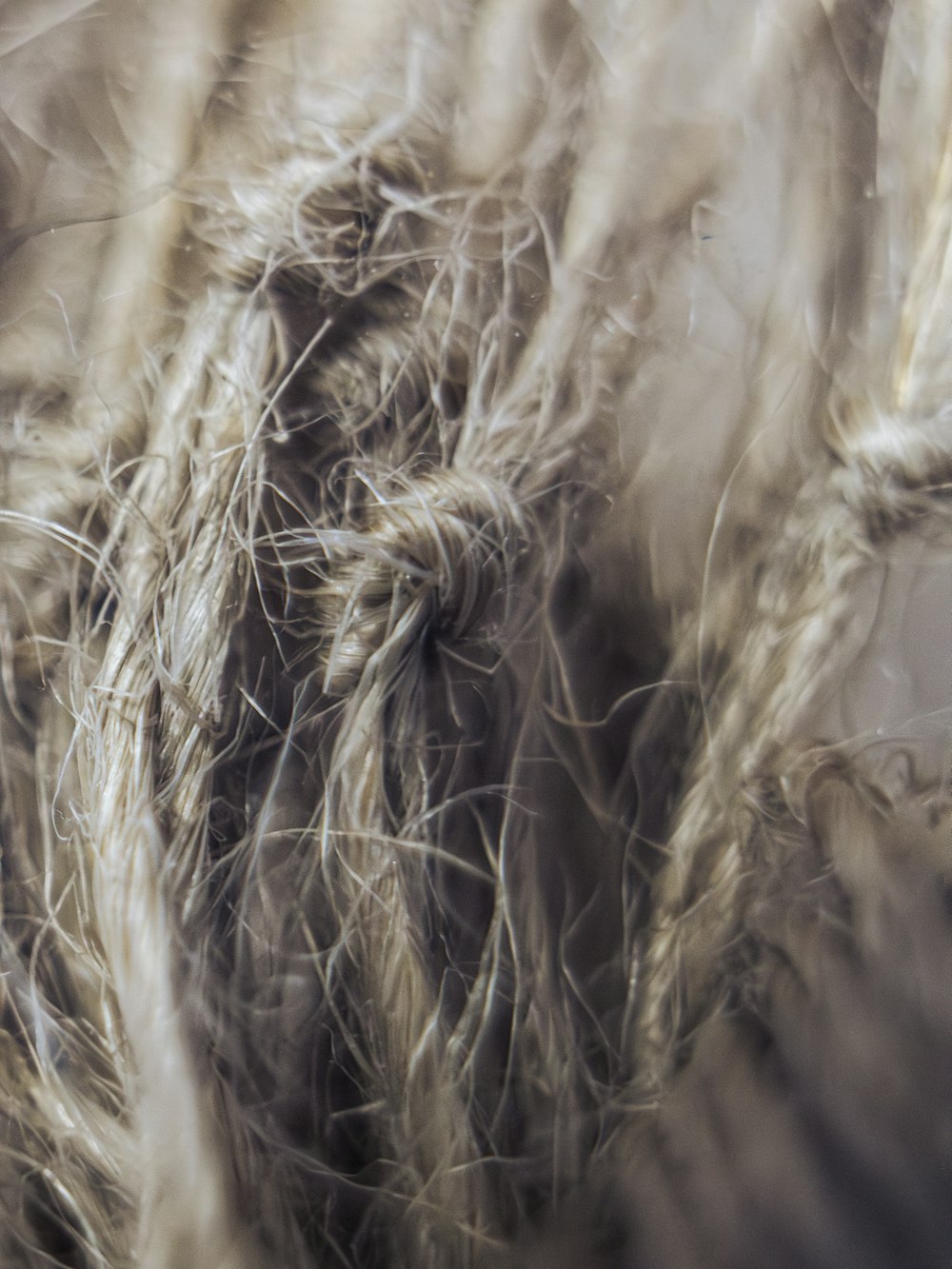
Hemp
a durable plant fiber grown with little water and no need for pesticides.
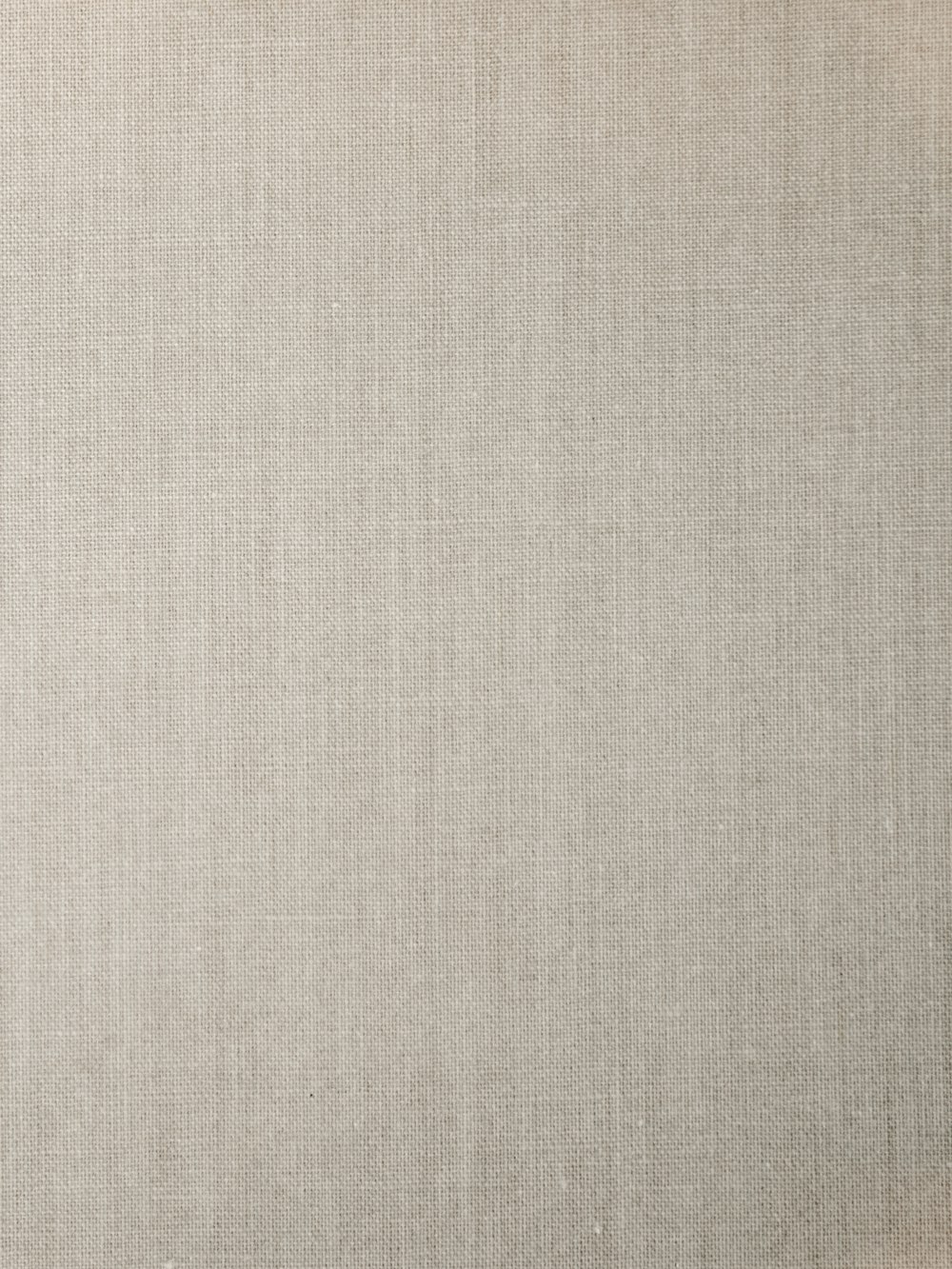
Linen
flax that breathes, runs cool, and softens with every wash.
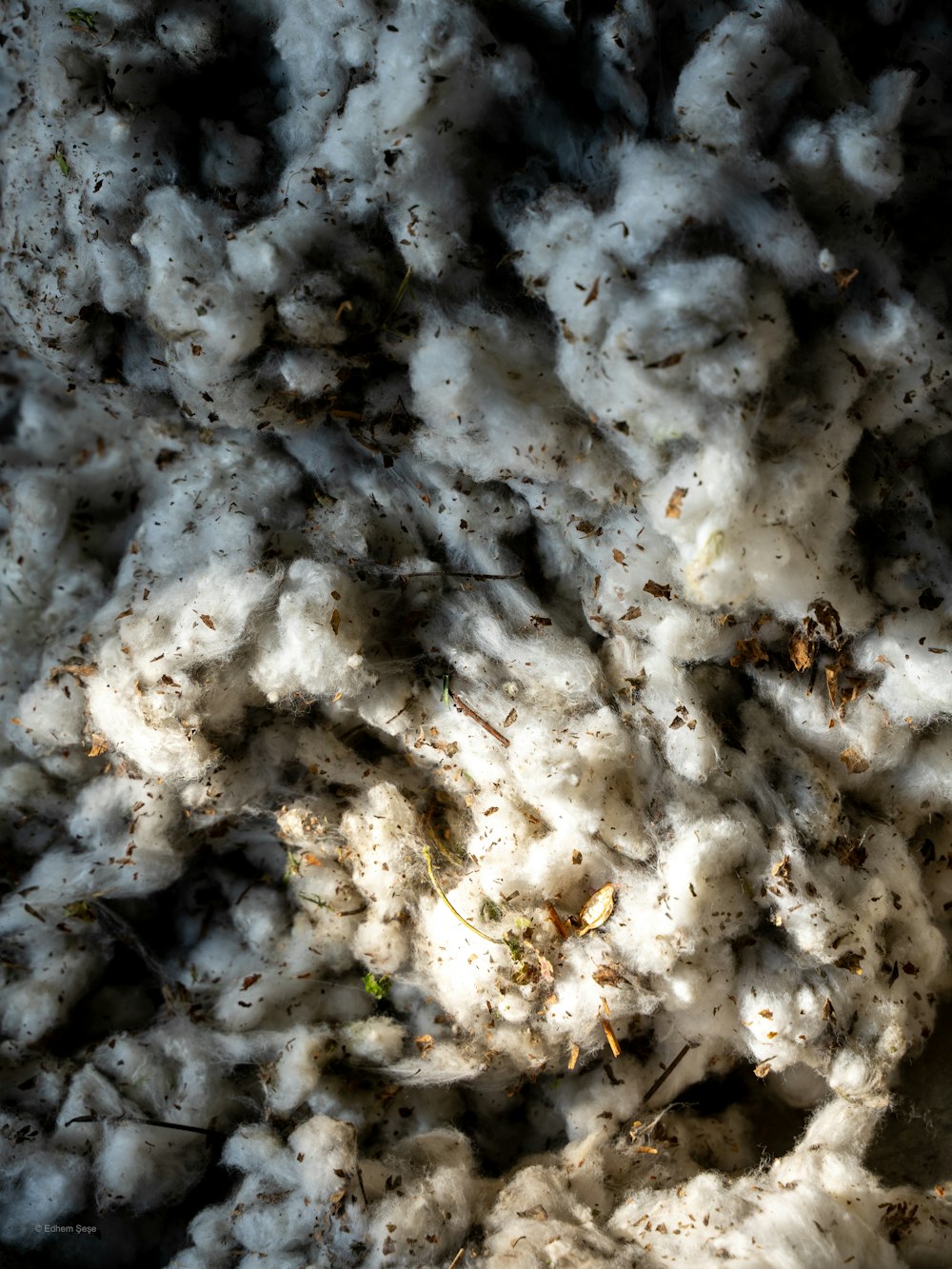
Organic Cotton
grown without synthetic pesticides, a soft, breathable everyday plant fiber.
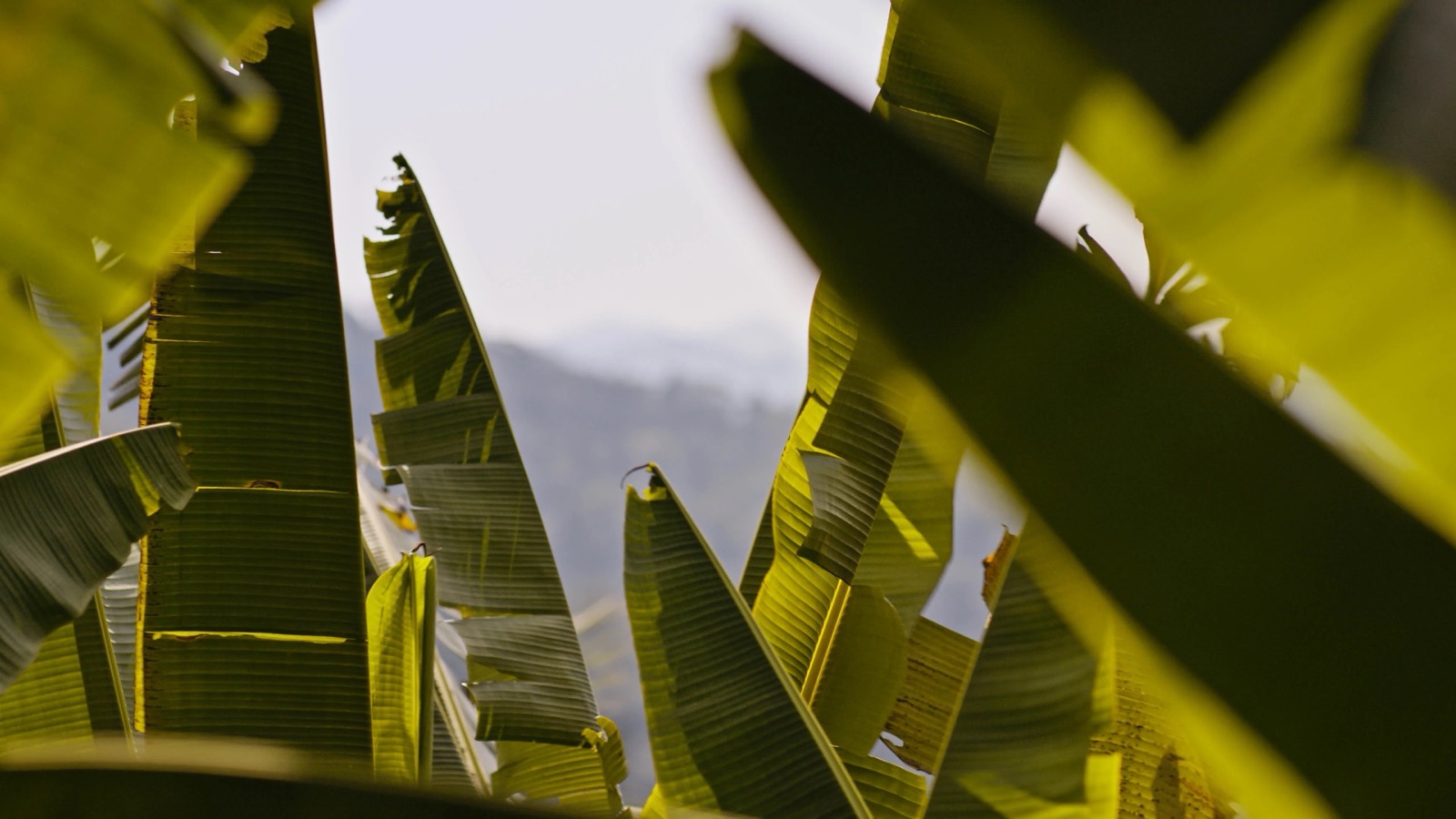
Bananatex (abacá)
abacá canvas grown without pesticides and independently screened, Cradle to Cradle Gold.
Silk
a natural protein fiber that breathes and regulates temperature on its own.
Alpaca
no lanolin and a smooth surface, often gentler on skin than sheep wool.
Ramie
a strong, linen-like plant fiber that breathes and resists mildew.
Cashmere
soft goat down that insulates without the plastic of acrylic knits.
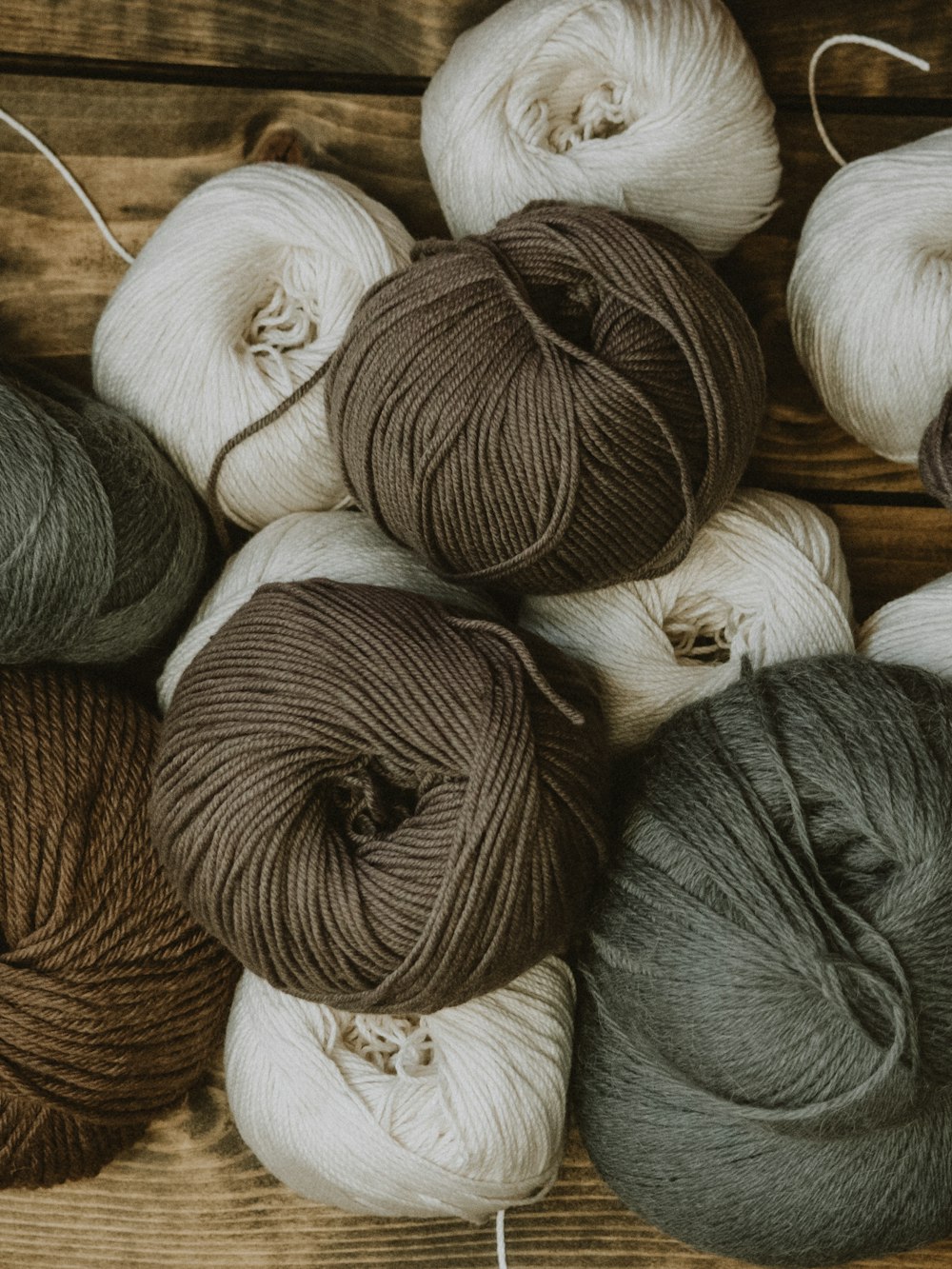
Merino Wool
fine enough to feel soft, regulates temperature without synthetic finishes.
Lyocell (TENCEL)
a clean fiber regenerated from wood in a closed loop that reuses its solvent.
SaXcell
lyocell spun from worn-out cotton instead of fresh wood, in the same closed loop.
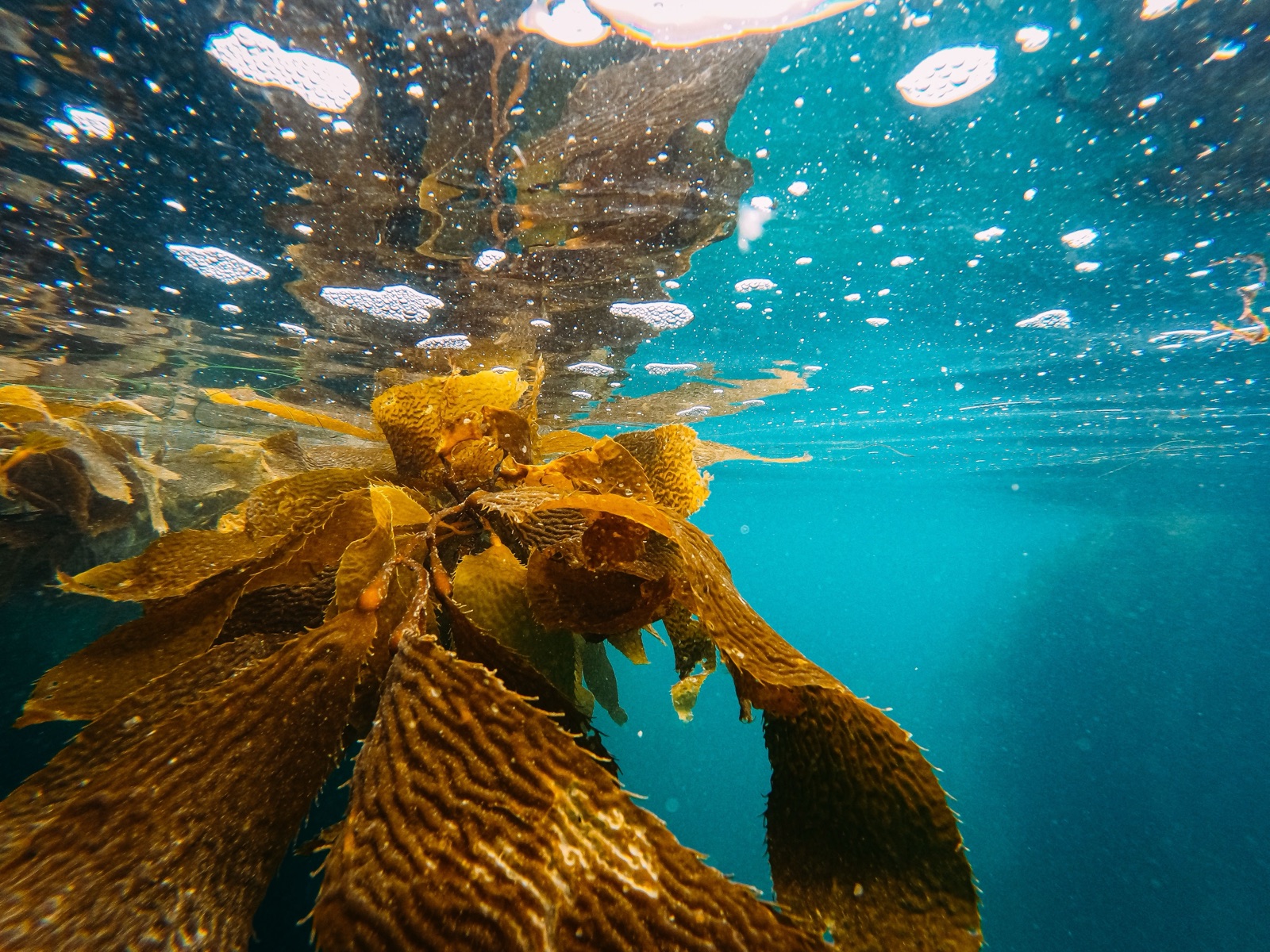
SeaCell (seaweed)
lyocell with ground seaweed in it; clean as lyocell, with a skin claim nobody has proven.
Cotton
the soft everyday plant fiber, but conventionally grown with heavy pesticides.
LENZING™ ECOVERO™
a certified, traceable viscose made with far lower emissions than the generic kind.
Mohair
a warm, glossy goat fiber; check for animal welfare and no harsh anti-shrink finish.
Wool
a natural animal fiber that insulates and resists odor; favor untreated.
Modal
a soft wood-based fiber; clean when it's certified lenzing modal, murky when it isn't.

Cupro
a silky fiber regenerated from leftover cotton fuzz; its cleanliness rides on the maker.

Acetate
wood pulp reworked with harsh chemistry into a silky fiber, more processed than lyocell.
Rayon (Viscose)
the umbrella name for wood dissolved and re-spun, viscose included; the factory decides how clean it is.
Bamboo
almost always generic viscose in disguise; the plant is clean, the processing isn't.
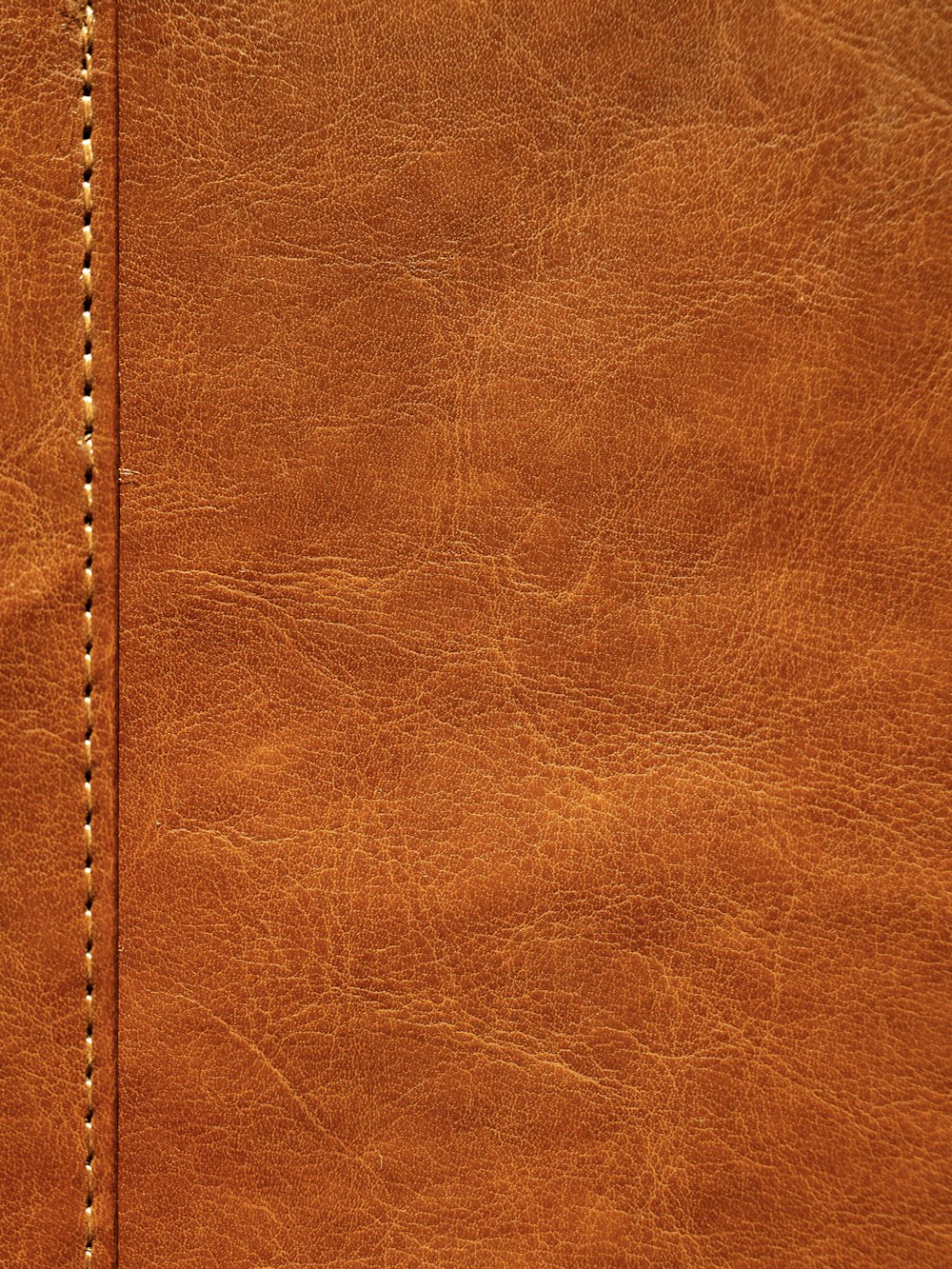
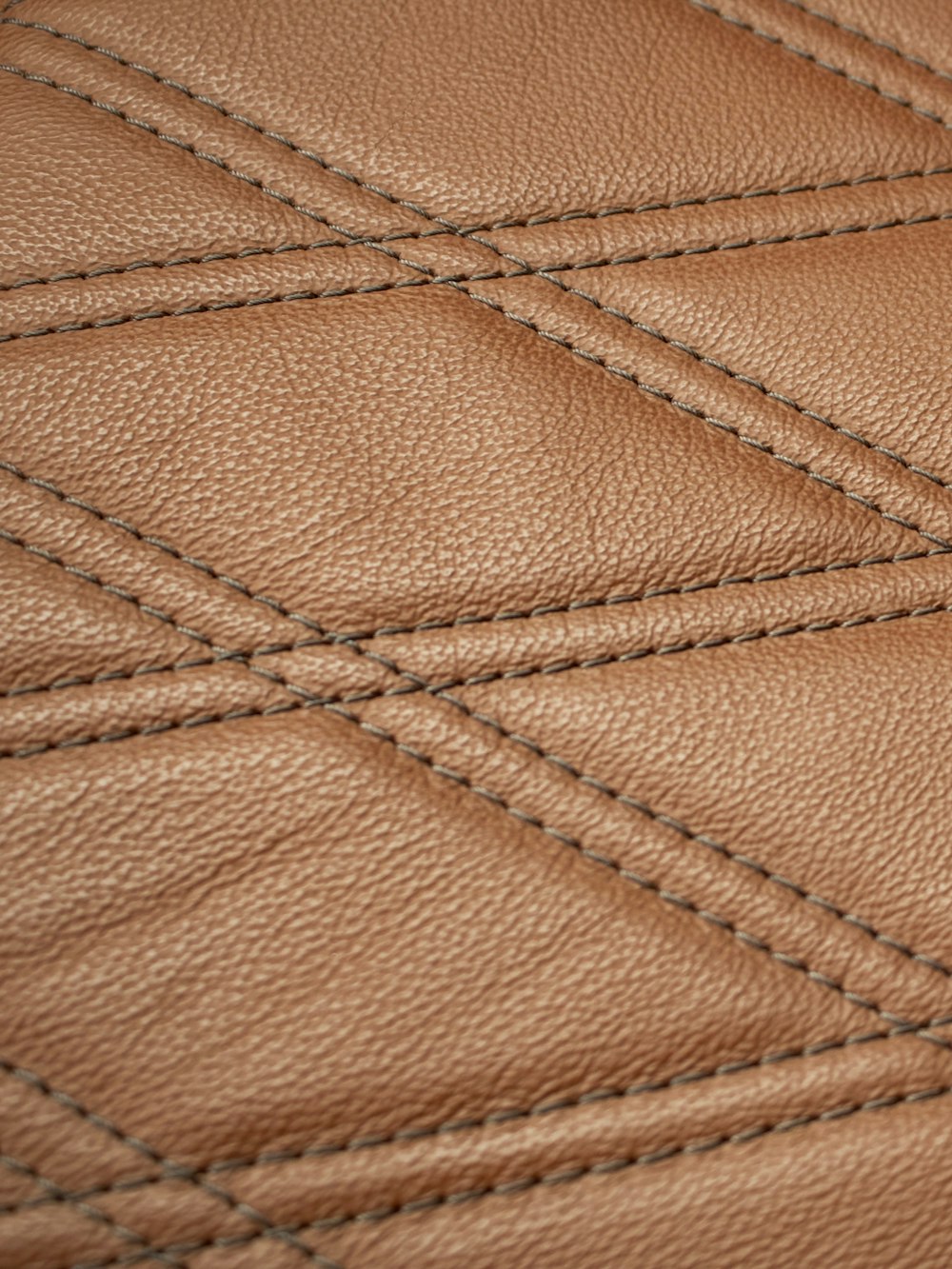
Leather
animal hide usually tanned with chromium; look for chrome-free or veg-tanned.

ROICA™ V550
an elastane with a fully assessed chemical inventory; still a plastic that sheds.
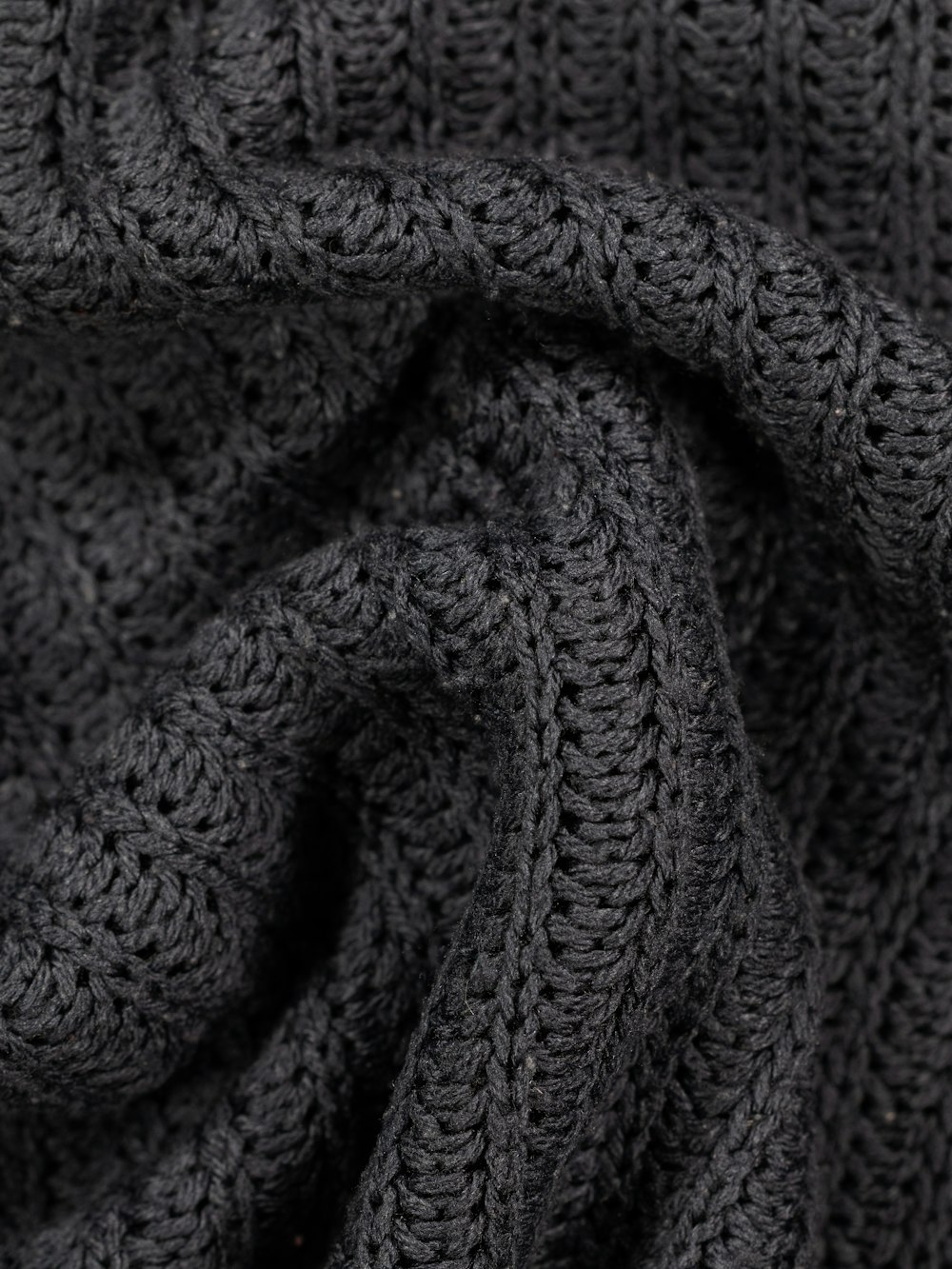
Elastane
the stretch plastic blended into almost everything, identical to spandex.
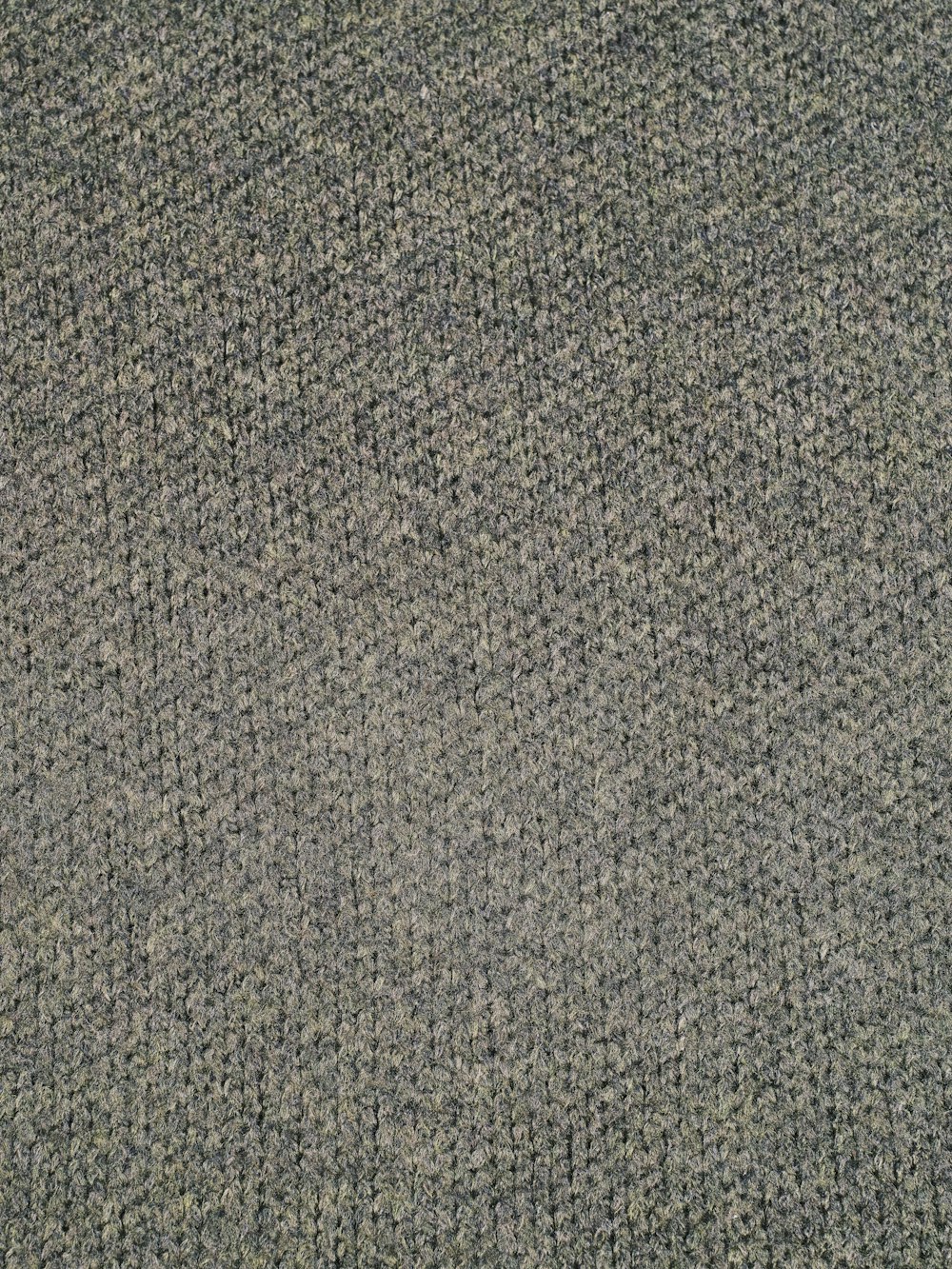
Nylon
an oil-based plastic fiber that traps heat and sheds microplastics in the wash.
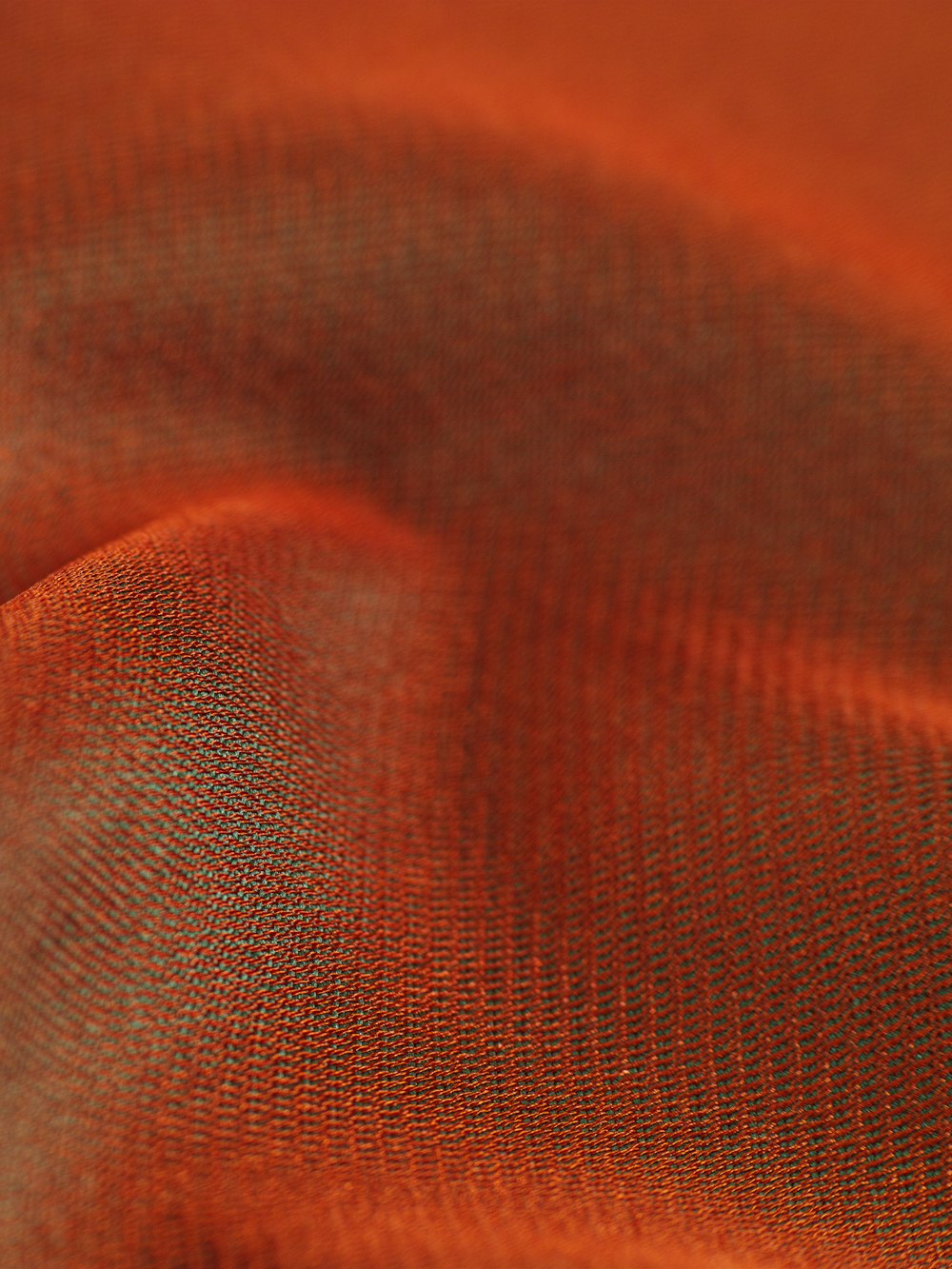
Polyester
plastic thread, the same resin as water bottles, that sheds microfibers as you wear it.
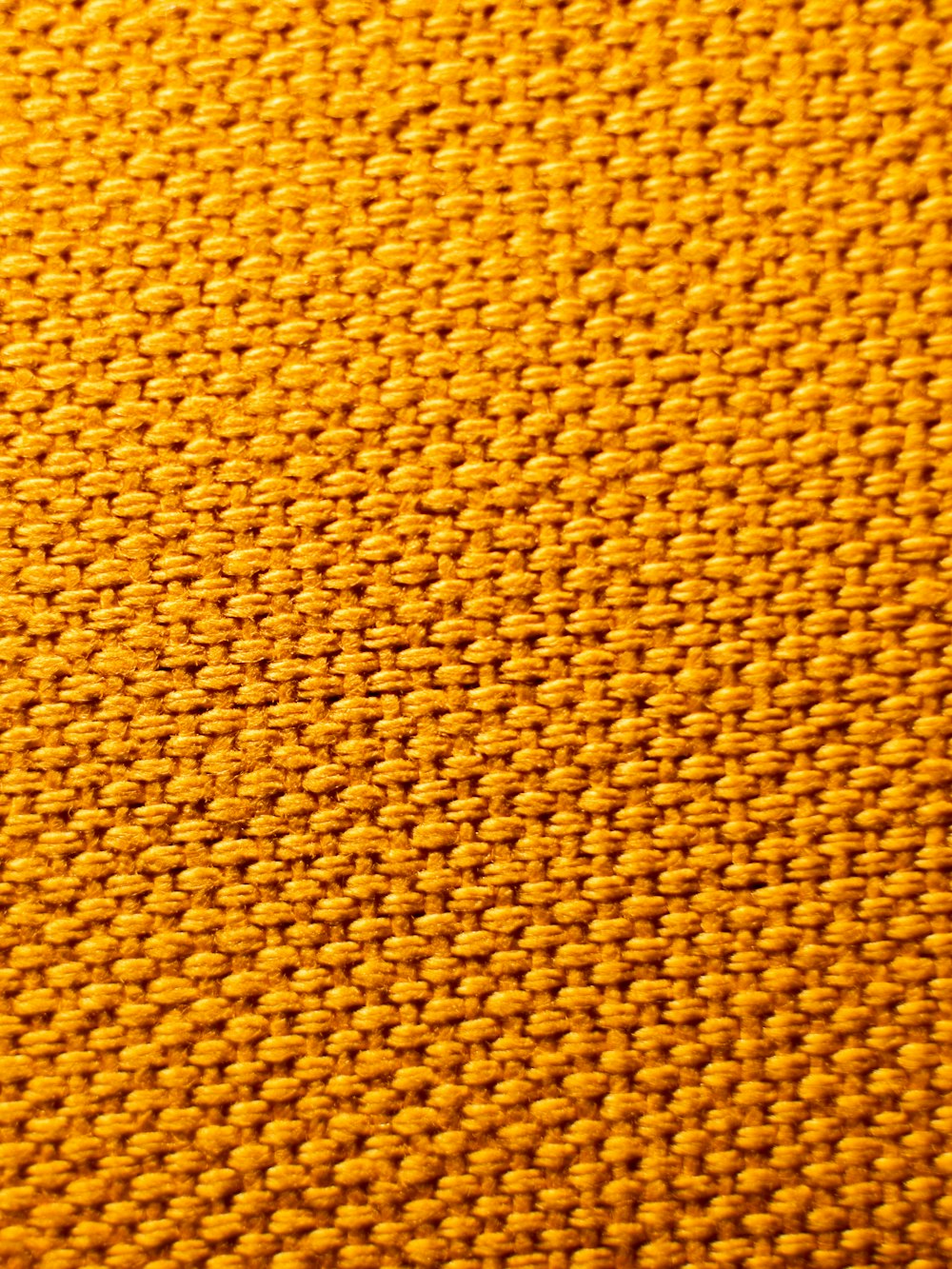
Acrylic
a plastic knit made from acrylonitrile; it pills fast and sheds microplastics.
Polyurethane
a plastic film or coating, the faux-leather layer laminated onto fabric.
Scores reflect wearer health only and mirror the Toxome app. Each fiber page lists its sources. This guide is educational and is not medical advice. Fabric imagery via Unsplash and Pexels.