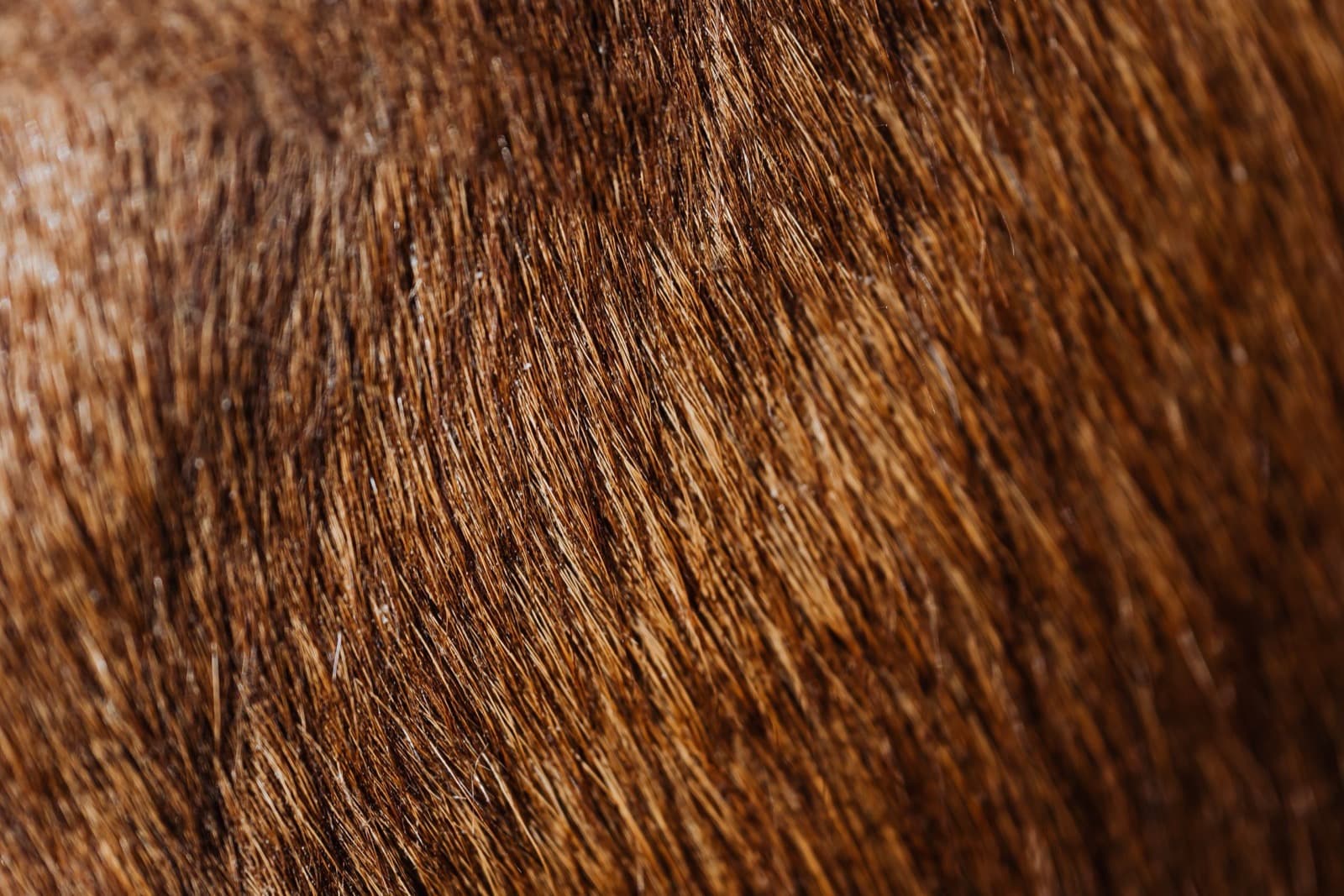
Leather scores 60 out of 100 for wearer health on Toxome's fiber scale, where 100 is cleanest. That puts it in the middle band. It is fine to wear, but you have to read the label. Leather is animal hide usually tanned with chromium; look for chrome-free or veg-tanned. The score rates the fiber, not the finished garment. Mills add dyes and finishes later, so check the label for those.
What is leather?
Most leather you buy is animal hide preserved with chromium, a metal. This is called chrome tanning. The problem is that with heat, light, or age, that chromium can change into a more dangerous form called chromium VI. Chromium VI is hard on skin and triggers allergies easily, which is why it sits at the center of leather's health story.
Chrome tanning was patented in 1884, and it cut tanning time from the months that vegetable tanning takes down to about a day. That speed is why it became, and remains, roughly 80 to 90 percent of the leather made worldwide.
How leather is made
A byproduct of the meat industry that has to be stabilized before it decays.
Hair and flesh are removed and the hide is prepared for the tanning bath.
The step that decides everything: chromium III salts, or slow plant tannins.
Heat, light, and age can oxidize chrome III into a persistent skin allergen.
Dyes, waxes, and topcoats go on last.
Vegetable tanned takes weeks and costs more, and it skips the chromium risk.
Leather starts as an animal hide, a byproduct of the meat industry, that has to be stabilized before it decays. That stabilizing step is called tanning, and how it is done decides almost everything about leather's health story.
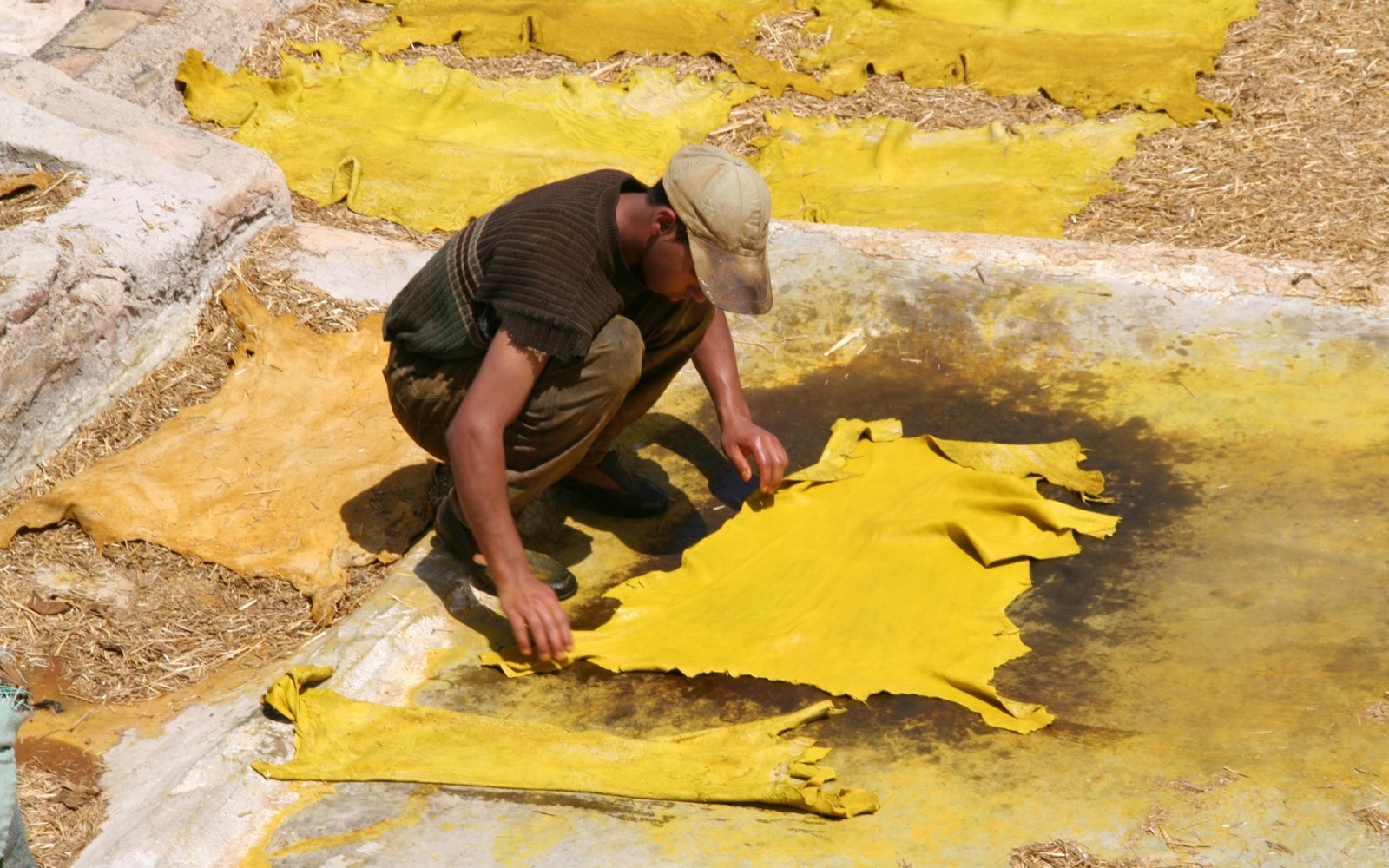
Most leather made today is chrome-tanned: hides soak in a bath of chromium (III) salts, which is fast, cheap, and produces soft, consistent leather. The catch is that heat, light, and age can oxidize that chromium III into chromium VI, a common and persistent skin allergen the tanner never added on purpose.
Vegetable-tanned leather is the slower alternative: hides are cured in tannins from tree bark and plants instead of metal salts. It takes weeks instead of a day and costs more, and it skips the chromium risk.
Not all leather is the same
Tanning, not grain quality, is leather's biggest health variable. Chrome-tanned leather is the fast, cheap default and carries the chromium VI risk. Vegetable-tanned leather uses plant tannins instead of metal salts and skips that risk, though it costs more, takes longer to make, and tends to look more matte and develop a patina over time.
Is leather safe to wear?
Chromium VI is a skin sensitizer that causes allergic contact dermatitis: an itchy, red rash that can flare from even tiny amounts of exposure. Chromium is the third most common metal allergy after nickel and cobalt, affecting an estimated 1 to 3 percent of adults, and once the allergy develops it tends to stay with you for life.
Your highest exposure comes from warm, sweaty contact: shoes, watch straps, belts, and waistbands. In one study, chromium VI leached directly out of leather shoes into artificial sweat. EU law (REACH Annex XVII, entry 47) has capped chromium VI in skin-contact leather at 3 mg/kg since May 2015, a limit researchers estimate prevents about 80 percent of new chromium rash cases where it is enforced.
- Breathes like the natural material it is. As animal hide rather than a plastic coating, leather lets air through and does not shed microplastic the way PU or PVC pleather does.
Chrome-tanned leather, the industry default, lands around 60, in the wear-with-care band, because of the chromium VI risk built into the tanning process. Vegetable-tanned leather skips that risk and reaches about 70, into the safest tier, the single biggest jump a leather buyer can make. See the full method.
Doing this check on every product page yourself is the tedious part. The Toxome Chrome extension reads the composition for you while you shop, so you see whether something is leather (and what else is in it) before you buy, not after it arrives.
How to care for leather
Shop Cleaner Pieces Instead


Leather, answered
It depends almost entirely on how it was tanned. Chrome-tanned leather, the industry default, carries chromium that can convert into chromium VI, a common and persistent skin allergen. Vegetable-tanned leather uses plant tannins instead and skips that risk.
It is a more dangerous form that the chromium (III) used in tanning can oxidize into with heat, light, or age. It causes allergic contact dermatitis, an itchy rash, and is the third most common metal allergy after nickel and cobalt. Your highest exposure is sweaty contact points like shoes and watch straps.
Yes. It uses tannins from tree bark and plants instead of chromium salts, so it skips the chromium VI risk entirely. It costs more and takes weeks instead of a day to make, which is part of why it is not the default.
For wearer health, often yes, if it is vegetable-tanned. Vegan leather is almost always plastic (polyurethane or PVC) softened with phthalates, chemicals that can disrupt hormones. Chrome-tanned leather has its own real risk in chromium VI, but vegetable-tanned leather avoids both problems.
- High release of hexavalent chromium into artificial sweat from leather shoes · Contact Dermatitis (Wiley)
- Annex XV restriction report: chromium VI in leather articles · ECHA
- OEKO-TEX Leather Standard · OEKO-TEX
The health score reflects wearer health only and mirrors the Toxome app. This guide is educational and is not medical advice.