LENZING™ ECOVERO™ scores 80 out of 100 for wearer health on Toxome's fiber scale, where 100 is cleanest. That puts it in the safest band to wear. LENZING™ ECOVERO™ is a certified, traceable viscose made with far lower emissions than the generic kind. The score rates the fiber, not the finished garment. Mills add dyes and finishes later, so check the label for those.
What is LENZING™ ECOVERO™?
LENZING ECOVERO is a brand-name viscose. It is still made the traditional viscose way, which uses carbon disulfide, a harsh chemical. But Lenzing makes it under tighter rules and captures those chemicals instead of dumping them. It was the first viscose to earn the EU Ecolabel, an official seal for lower-impact products.
Lenzing launched LENZING™ ECOVERO™ in 2017, and it became the first viscose fiber to carry the EU Ecolabel (license AT/016/001), the bloc's official seal for lower-impact products.
How LENZING™ ECOVERO™ is made
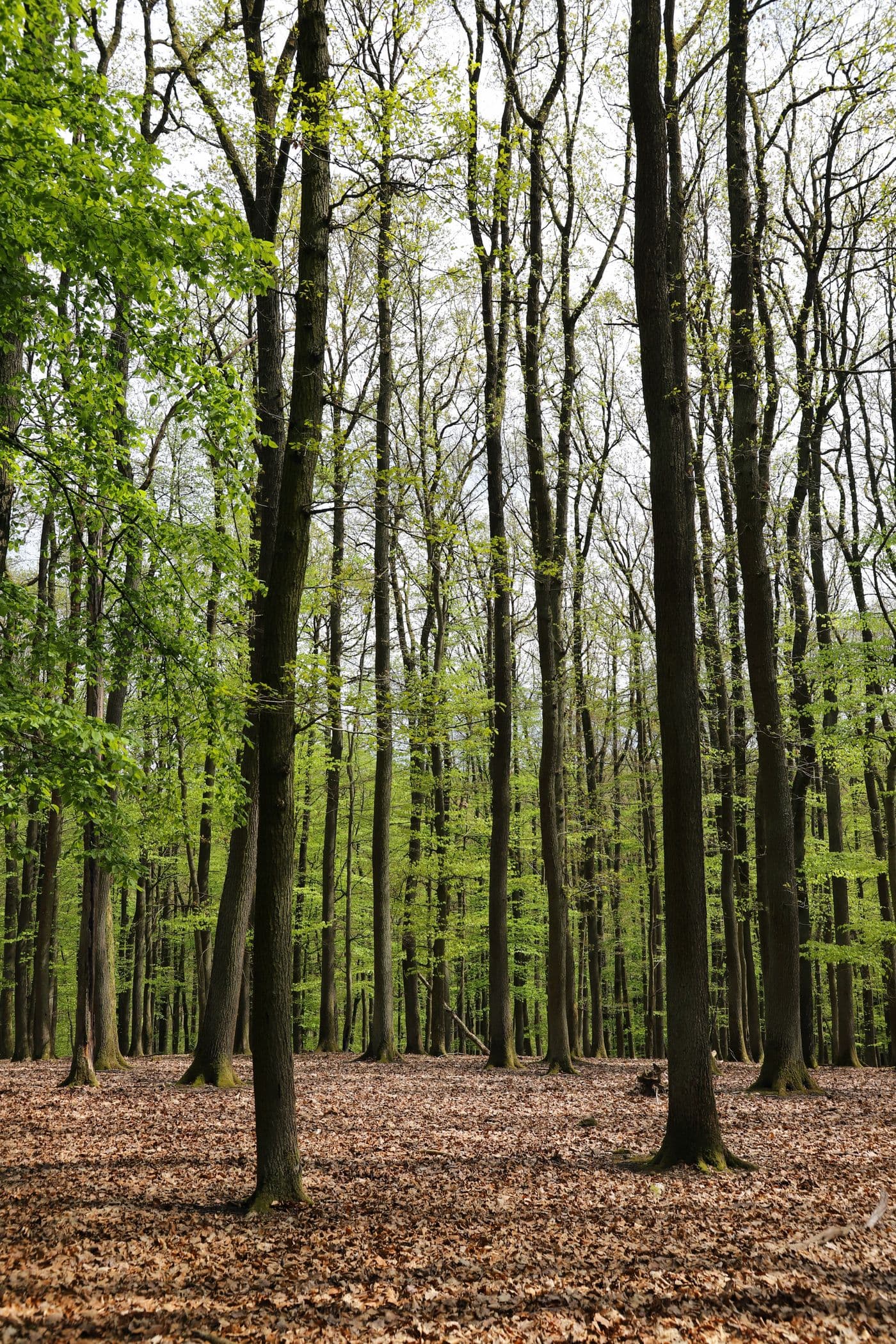
Wood from certified and controlled forests, traced to source.
Dissolved into a thick solution, the regenerated cellulose route.
The same solvent as any viscose. The difference is the controls around it.
Pushed through fine holes and reformed as thread in an acid bath.
A molecular marker is spun in so the fiber can be verified in finished cloth.
The win is the audited process and traceable wood, not a new fiber family.
LENZING™ ECOVERO™ is viscose. It begins as wood pulp from certified and controlled forests, dissolved into a thick solution and pushed through a spinneret to reform as thread. That puts it in the regenerated family alongside ordinary viscose and rayon. It is not lyocell.
The chemistry is where the marketing gets slippery. ECOVERO™ runs on carbon disulfide, the same solvent as any conventional viscose. Lenzing's difference is the controls around it: its mills capture and treat those emissions under audited limits instead of venting them, the wood is traced to certified forests, and a molecular marker is spun into every fiber so it can be verified in the finished cloth.
The EU Ecolabel caps the substances a product is allowed to release, and Lenzing's own figures put ECOVERO™'s water use and carbon emissions at least 50 percent below generic viscose. The win is the audited process and the traceable sourcing, both measured and certified, not a new fiber family.
Is LENZING™ ECOVERO™ safe to wear?
Carbon disulfide is documented harm, but the people it harms are the workers breathing it at the mill, where long exposure is linked to nerve and heart damage. Lenzing's audited capture is the line between LENZING™ ECOVERO™ and the anonymous viscose mills that let those fumes escape. That is a worker-safety and pollution question, not something living in the shirt you buy.
On your skin, finished and washed ECOVERO™ carries essentially no leftover carbon disulfide, and it holds OEKO-TEX STANDARD 100 certification on top of the fiber-level testing. It breathes and absorbs moisture like other wood-based fibers, so it feels soft and cool. You are paying for cleaner, traceable production, not a safer fiber against your body.
- Breathes and absorbs moisture Handles sweat and humidity well, so it feels soft and cool rather than clingy.
- Traceable, certified sourcing Wood comes from certified, controlled forests, and a molecular marker lets the fiber be verified in the finished fabric, unlike anonymous viscose.
LENZING™ ECOVERO™ still runs the carbon-disulfide viscose process, so it can't reach a true closed-loop lyocell like TENCEL. But Lenzing's audited chemical capture, EU Ecolabel certification, certified forestry, and finished-fabric testing lift it well above ordinary unbranded viscose (64), landing ECOVERO™ at 80. See the full method.
Doing this check on every product page yourself is the tedious part. The Toxome Chrome extension reads the composition for you while you shop, so you see whether something is LENZING™ ECOVERO™ (and what else is in it) before you buy, not after it arrives.
How to care for LENZING™ ECOVERO™
Shop LENZING™ ECOVERO™



LENZING™ ECOVERO™, answered
Chemically, yes. It's made by the standard viscose process, dissolving wood pulp with carbon disulfide. What changes is that Lenzing runs it under audited, tightened controls with certified forestry, which unbranded viscose mills don't guarantee.
The finished, washed fiber carries essentially no leftover carbon disulfide and is OEKO-TEX STANDARD 100 certified, so it's safe against your skin. The carbon disulfide of real concern is a worker-exposure issue at the mill, not something that stays in the fabric.
No, but read the claim precisely. It's still regenerated viscose made with carbon disulfide. What's real is the lower-impact production: audited chemical capture, traceable wood, and the EU Ecolabel (license AT/016/001), with Lenzing's own figures putting water and carbon at least 50 percent below generic viscose. The improvement is the process, not a risk-free chemistry.
Not on the hazard scale. TENCEL Lyocell uses a closed-loop, non-toxic solvent and skips carbon disulfide, so it scores higher. ECOVERO™ is a real step up from ordinary viscose, but it is still viscose.
Lenzing makes two of the cleaner regenerated fibers: TENCEL Lyocell and LENZING ECOVERO viscose. Both start from certified wood and score well on Toxome's scale, 88/100 and 80/100. The Lenzing name is a good sign, but check which fiber the tag names.
Wood pulp from certified and controlled forests. The pulp is dissolved and spun into fiber the standard viscose way. Lenzing tracks the fiber through the supply chain, so the finished fabric can be traced back to it.
- LENZING ECOVERO Viscose · Lenzing
- The Ongoing History of Harm Caused by the Viscose Rayon Industry · PMC (peer-reviewed)
- OEKO-TEX STANDARD 100 · OEKO-TEX
The health score reflects wearer health only and mirrors the Toxome app. This guide is educational and is not medical advice.