the pieces we keep reaching for.
every piece rated. every fiber accounted for.





AIZOME
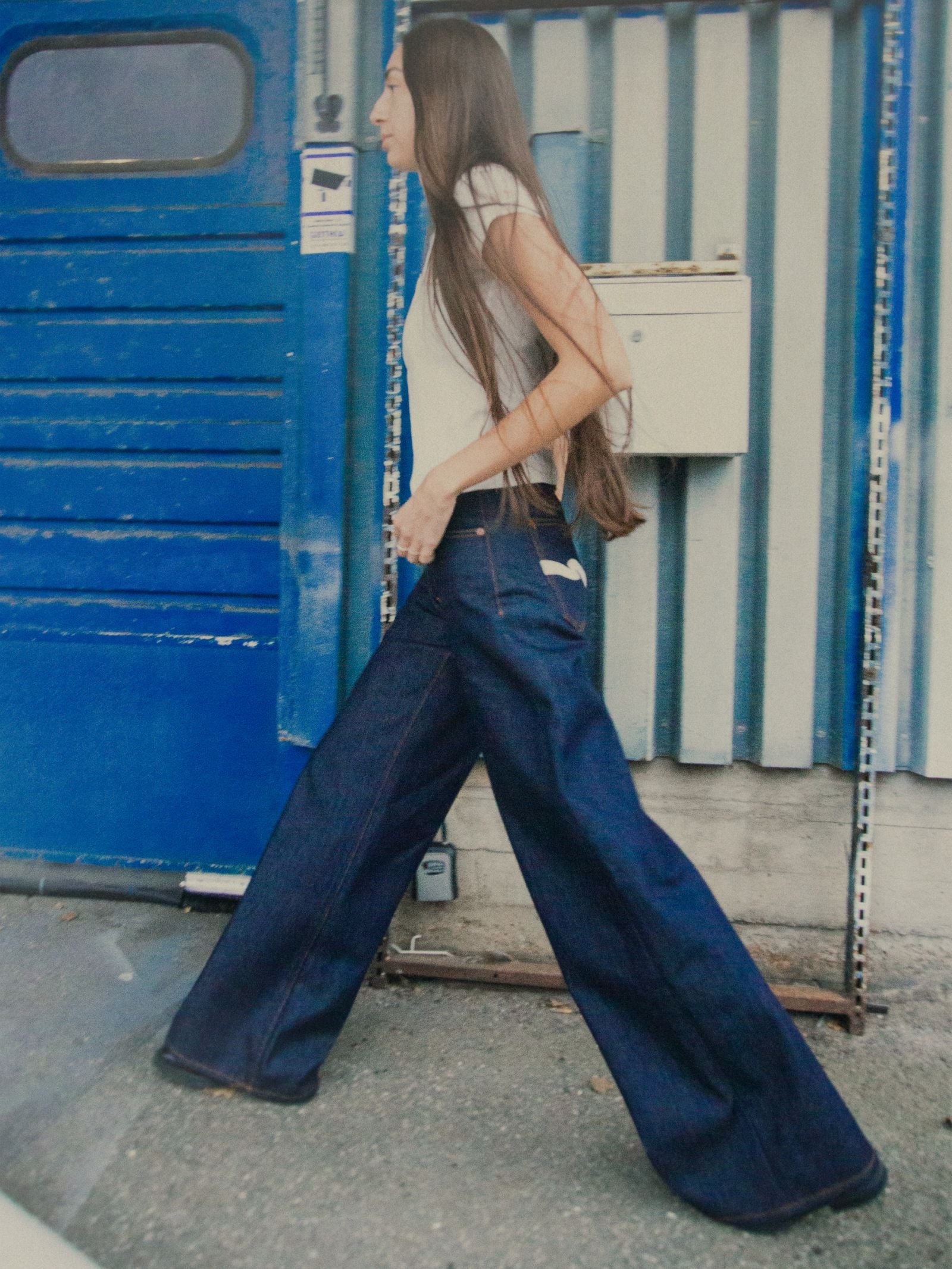
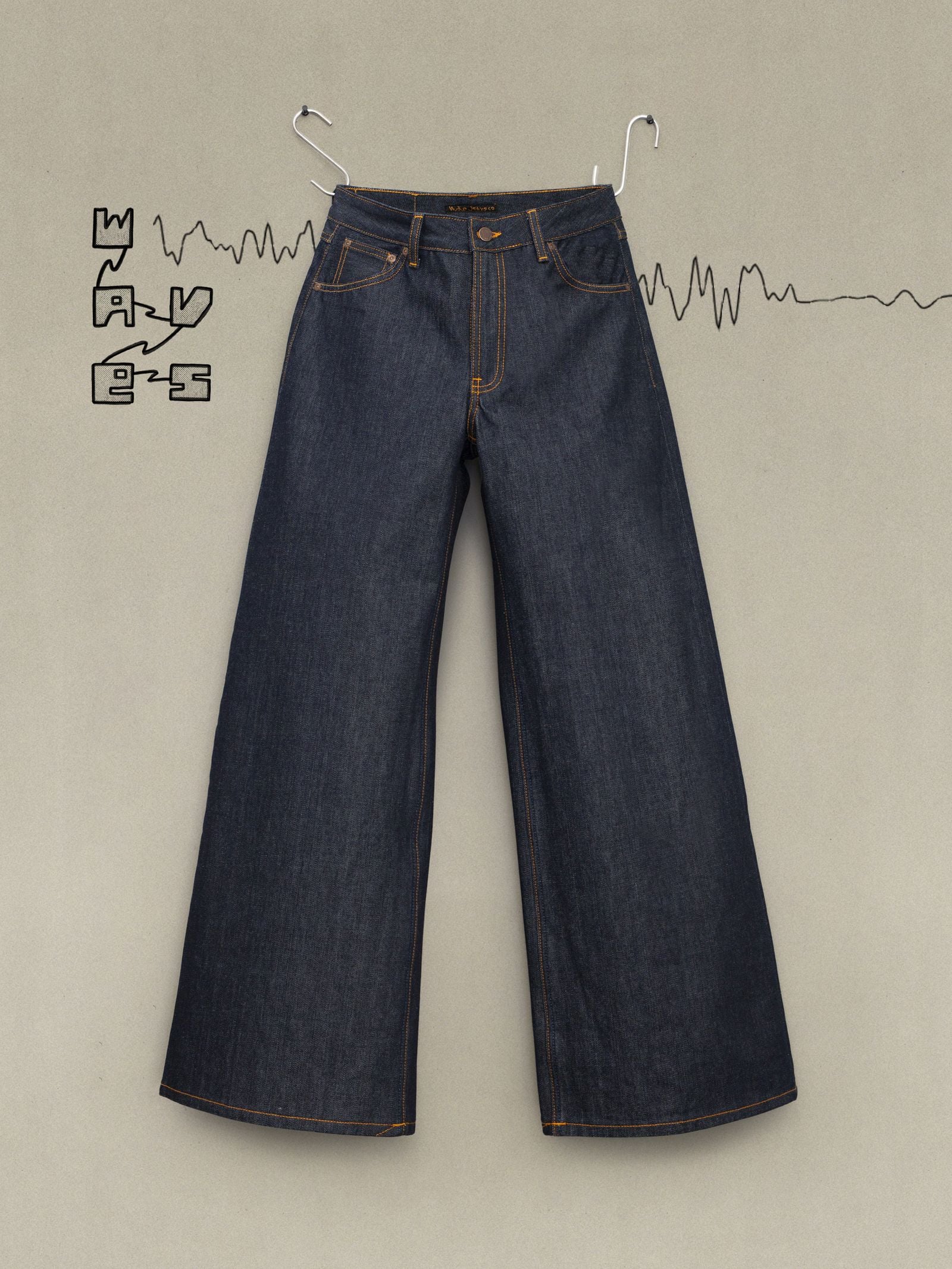
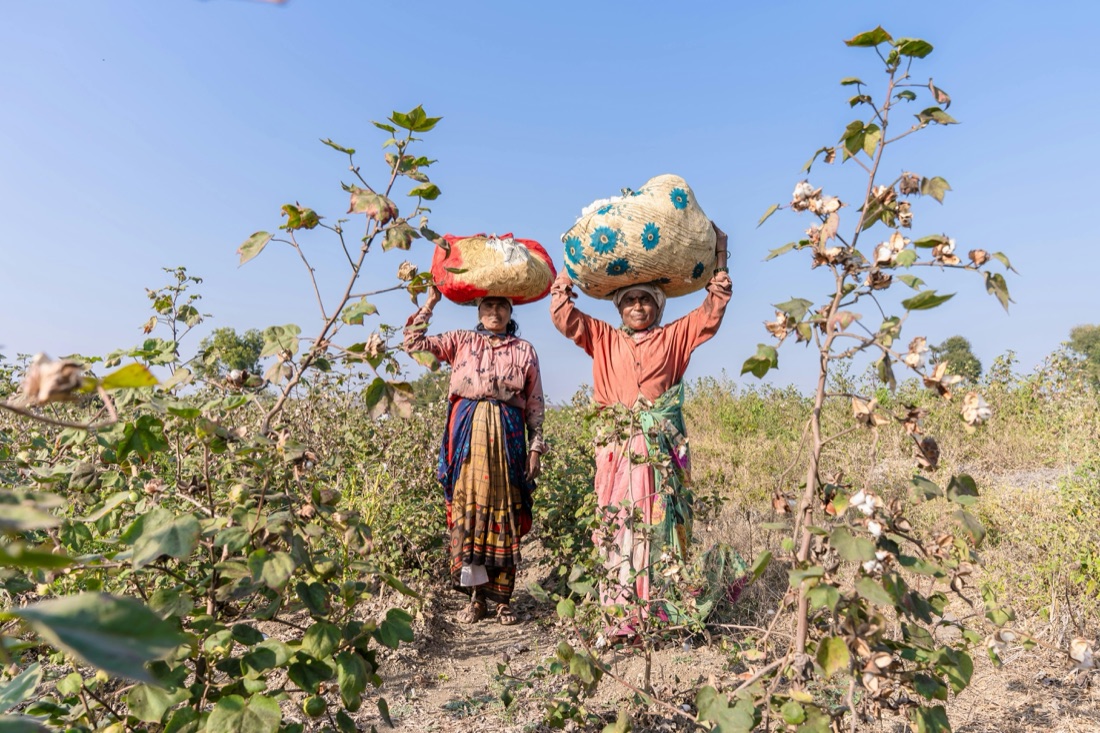
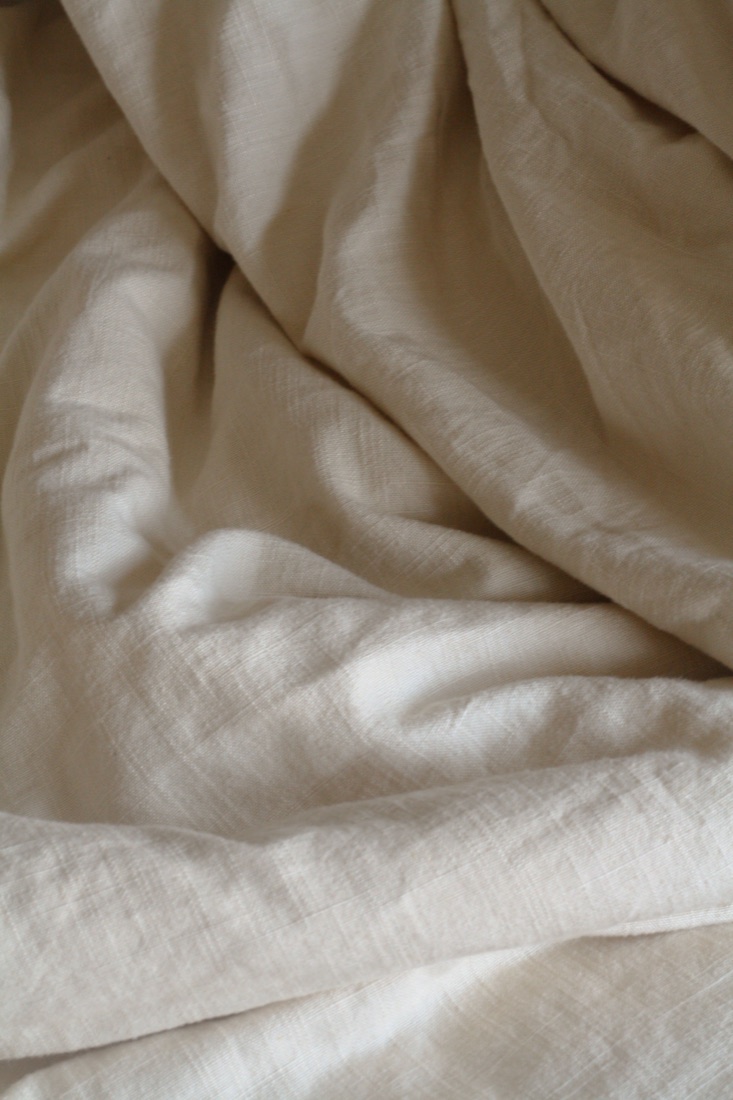
Organic cotton bedding with natural plant dyes.




what we're reading into.
The Clean Edit
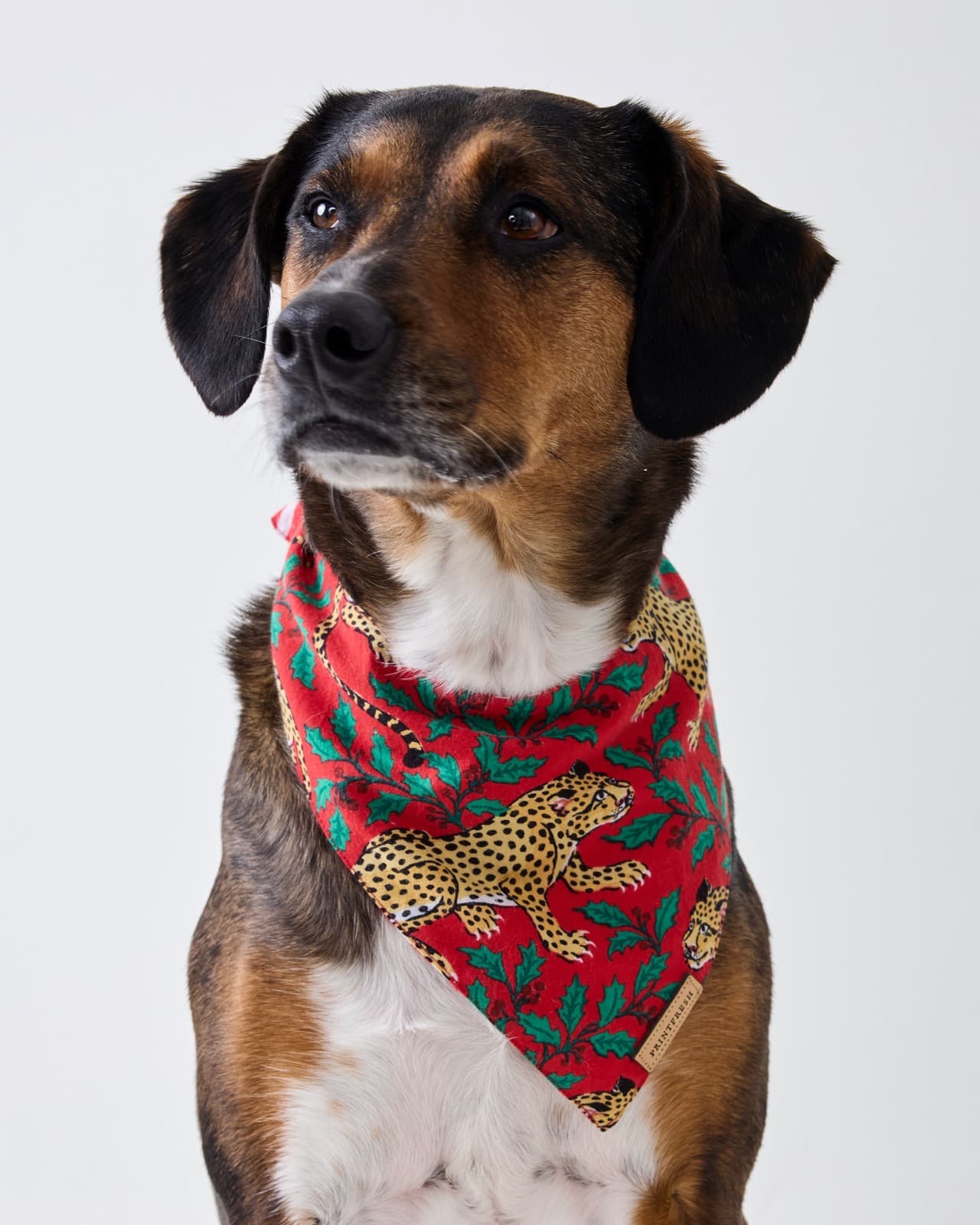
The Best Natural Fiber Stocking Stuffers for Women in 2026
Small, useful and free of the polyester hiding in most stockings. All natural fiber, all $50 and under.
The Clean Edit
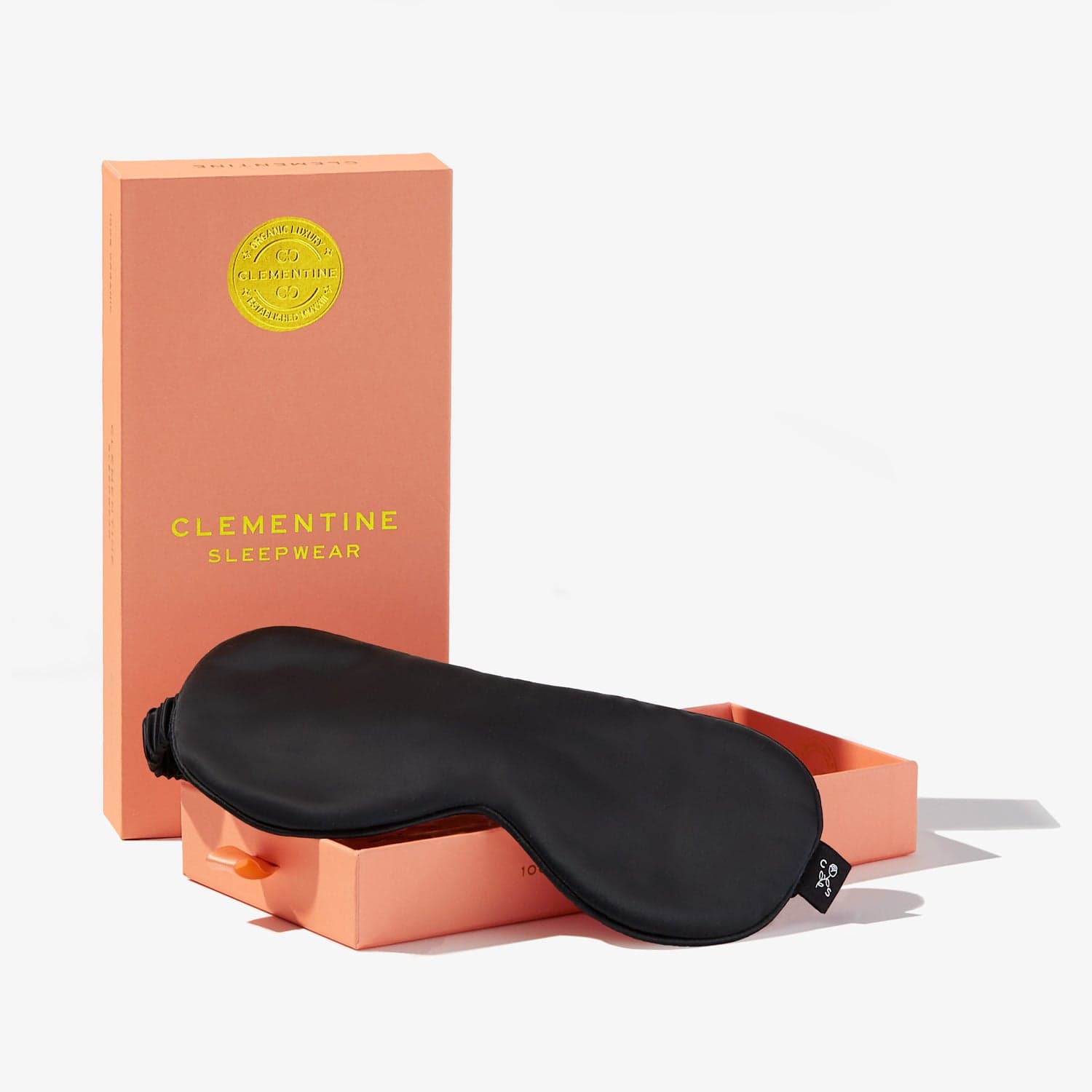
The Best Natural Fiber Gifts for Women in 2026
For the woman who reads every label. Organic cotton, hemp, linen, silk and merino, from under $50 to the splurge.
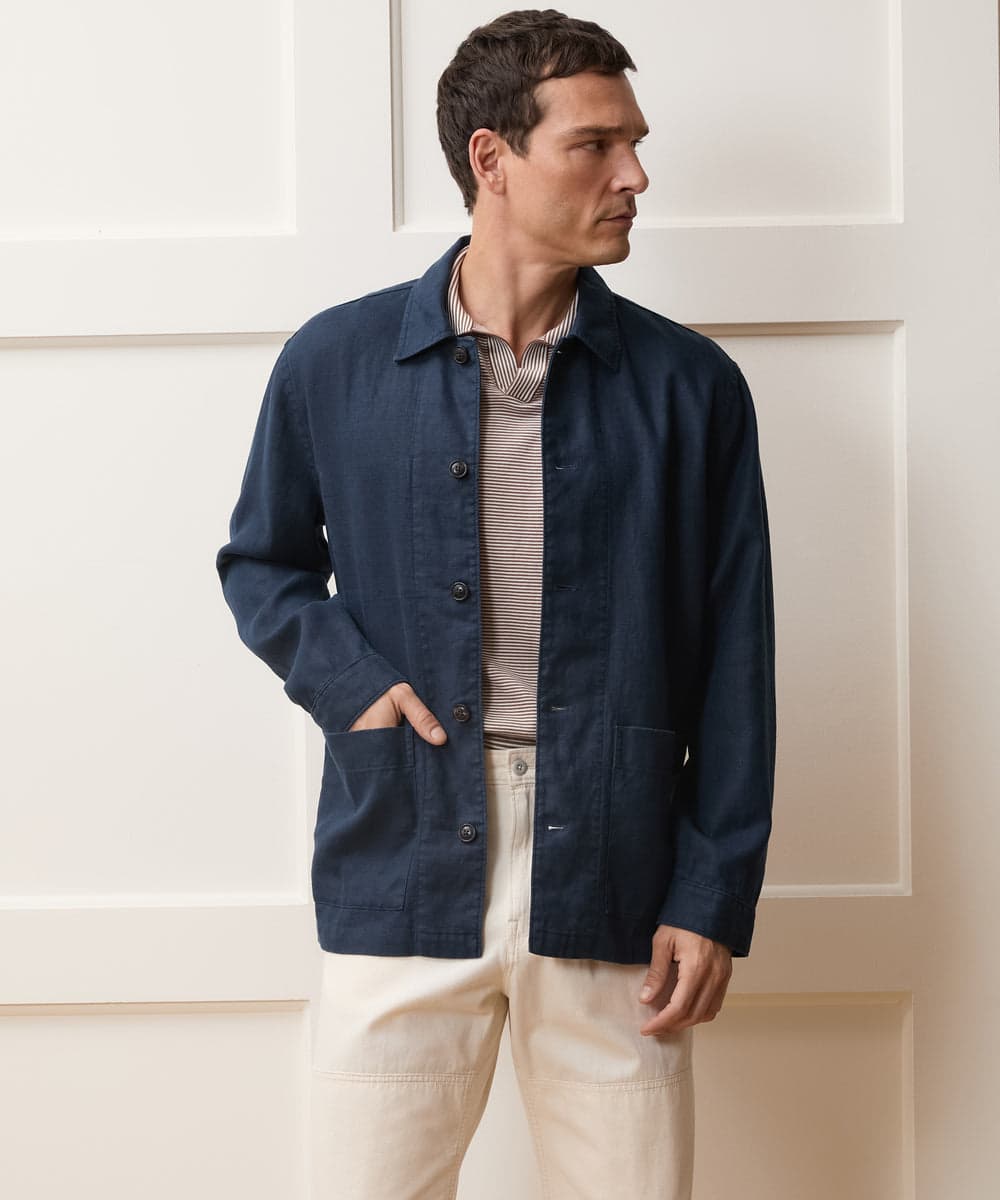
The Clean Edit
The Best Natural Fiber Gifts for Men in 2026
For the man who tracks his sleep and has everything else. Merino, hemp, linen and organic cotton, from under $50 to the splurge.

our weekly report on the state of fashion wellness
Stay up to date on science, trends, and clean brands.
By clicking "subscribe," you agree to receive emails from Toxome and accept our web terms of use and privacy and cookie policy.
what toxome is
toxome is the world’s first trusted fashion wellness marketplace. the clothes on your skin all day are a health decision, so we shop them the way you would if you had time to read every label. every piece gets a score from 0 to 100 for what it is made of, where 100 is cleanest.
no brand can pay for a score. the rules behind every number sit at methodology, and every fiber has its own page in the fabric guide.
toxome is the world's first trusted fashion wellness marketplace. fashion wellness is the practice of choosing clothing by what it does to your body, not just how it looks. every garment is read for its stated fiber content and scored from 0 to 100 for how the fiber treats the person wearing it, where 100 is cleanest. what fashion wellness means
the score rates the fiber, not the finished garment. hemp and linen score 94. organic cotton scores 92. polyester scores 30. a mill adds dyes and finishes after the fiber is spun, which is why a certification like GOTS or OEKO-TEX standard 100 still matters on top of a good fiber. read the method
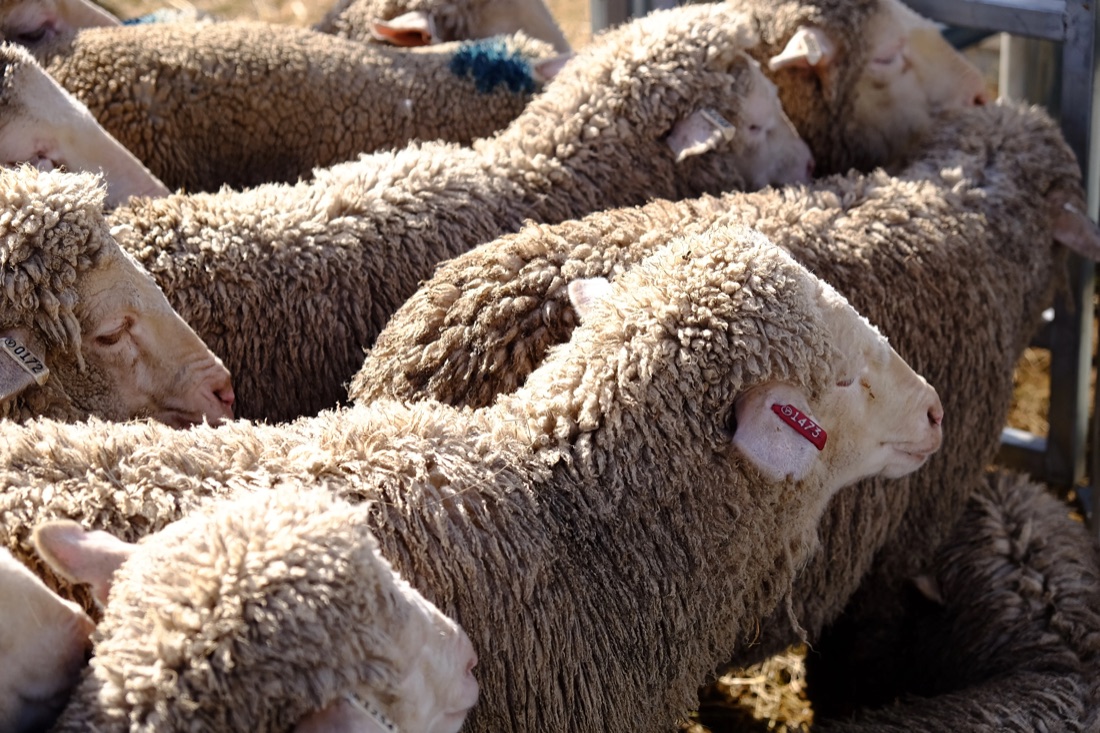
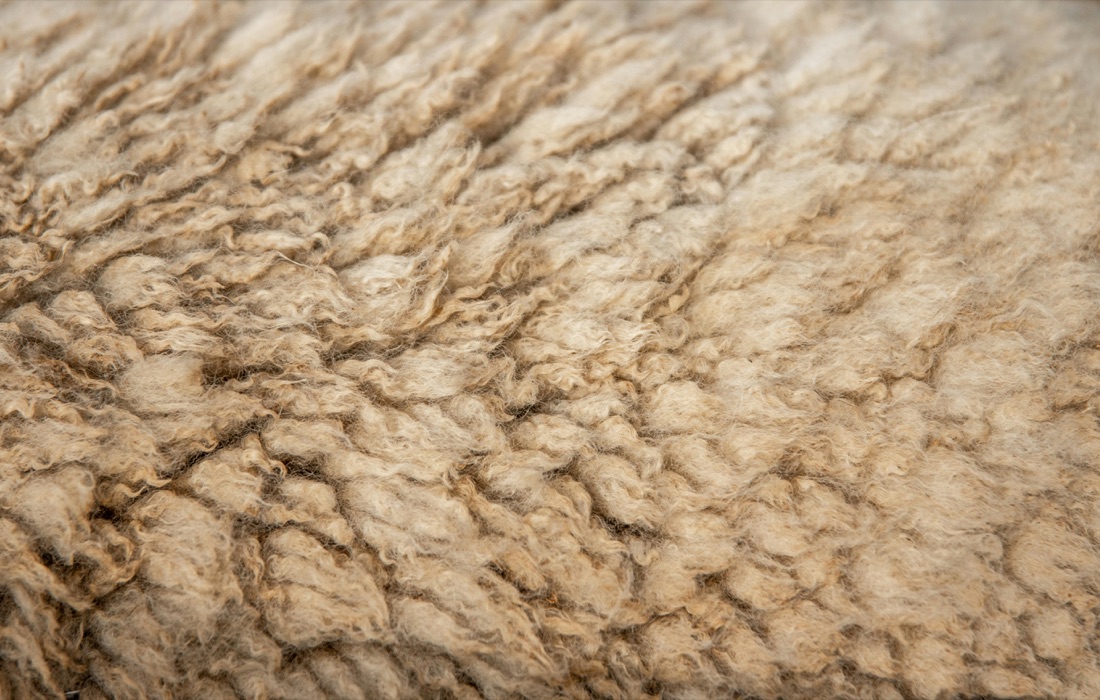
on toxome's scale the safest band runs 68 to 100 and is mostly plant and animal fibers: hemp 94, linen 94, organic cotton 92, silk 92, alpaca 92, merino wool 90, and lyocell 88. the band worth avoiding runs 0 to 39 and is plastics: elastane 37, nylon 36, polyester 30, acrylic 28. see every fiber
polyester scores 30 out of 100 on toxome's fiber scale, which puts it in the band worth avoiding. it is the same resin as a water bottle, it sheds microfibers as you wear it, and it carries disperse dyes that are a common contact allergen. polyester, scored
no. a score comes from the fiber the brand states on the label and nothing else. we publish the scoring rules in full so you can check any number against them yourself. read the method