The Manifesto
Fashion Wellness Is the Next Clean Beauty
First we read the labels on our food. Then our skincare. Our clothes are next — and for women's health, it may be the biggest change of all.
Read the essay6 min read
The Manifesto
First we read the labels on our food. Then our skincare. Our clothes are next — and for women's health, it may be the biggest change of all.

The Clean Edit
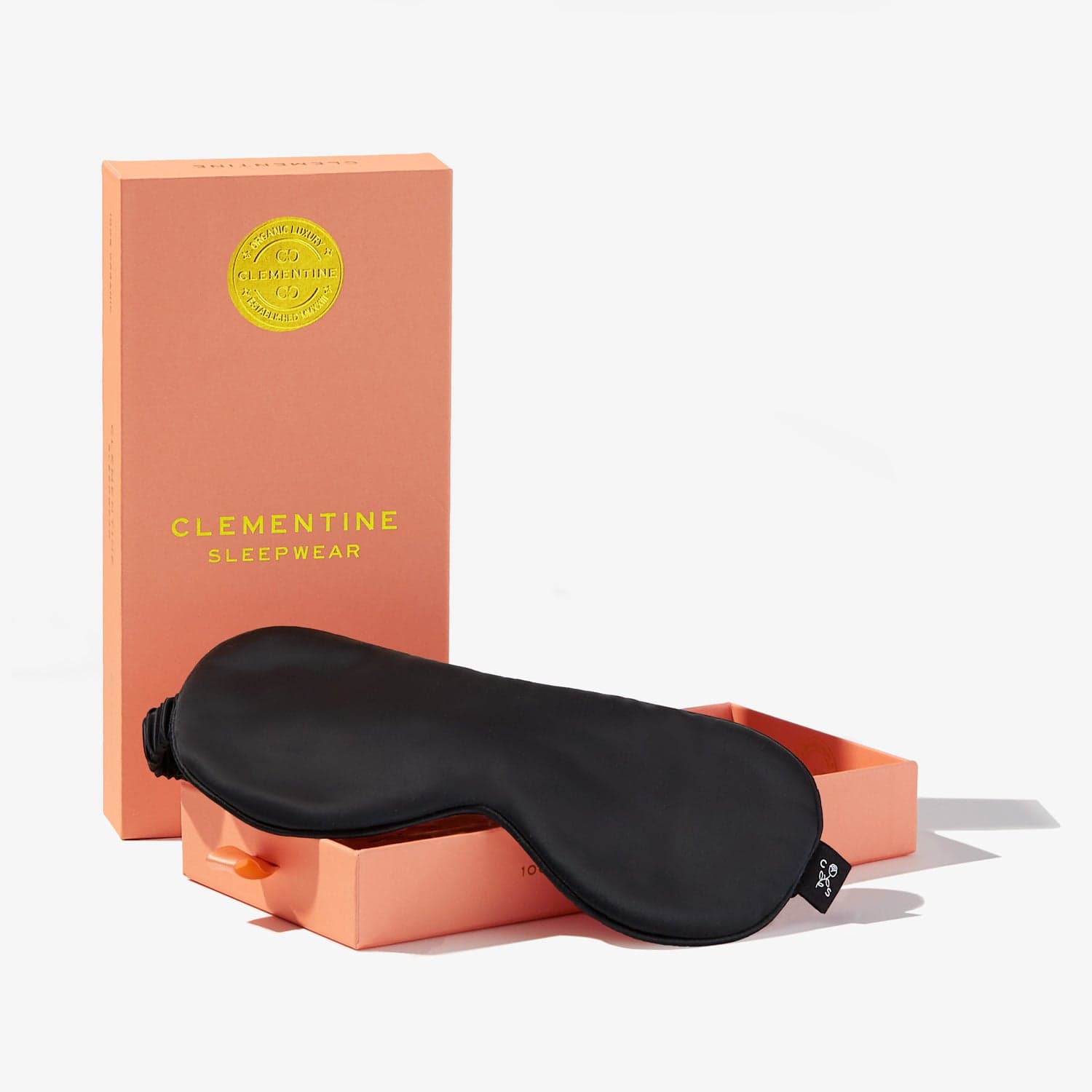
Small, useful and free of the polyester hiding in most stockings. All natural fiber, all $50 and under.
The Clean Edit
For the woman who reads every label. Organic cotton, hemp, linen, silk and merino, from under $50 to the splurge.
The Clean Edit
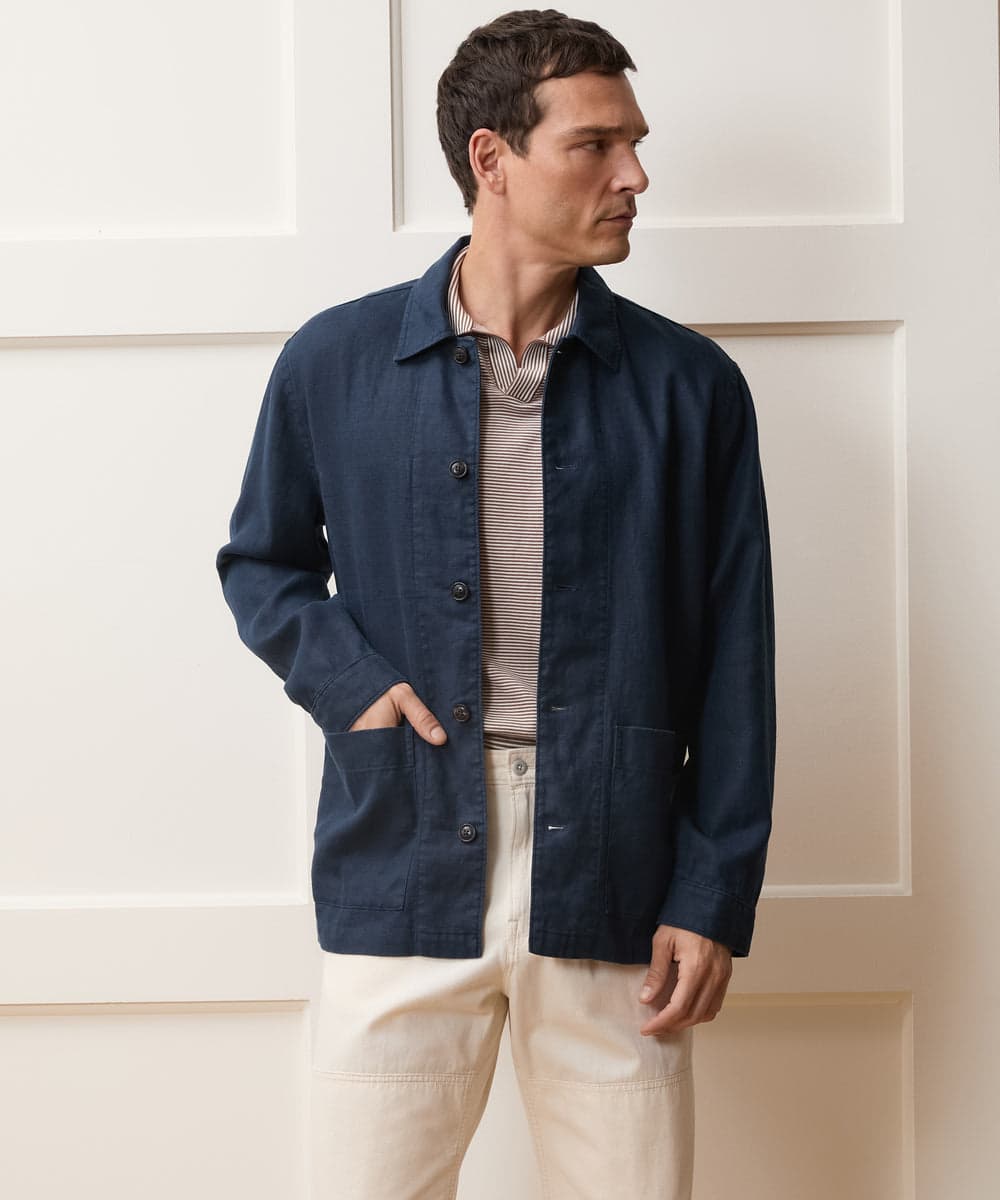
For the man who tracks his sleep and has everything else. Merino, hemp, linen and organic cotton, from under $50 to the splurge.
The Clean Edit
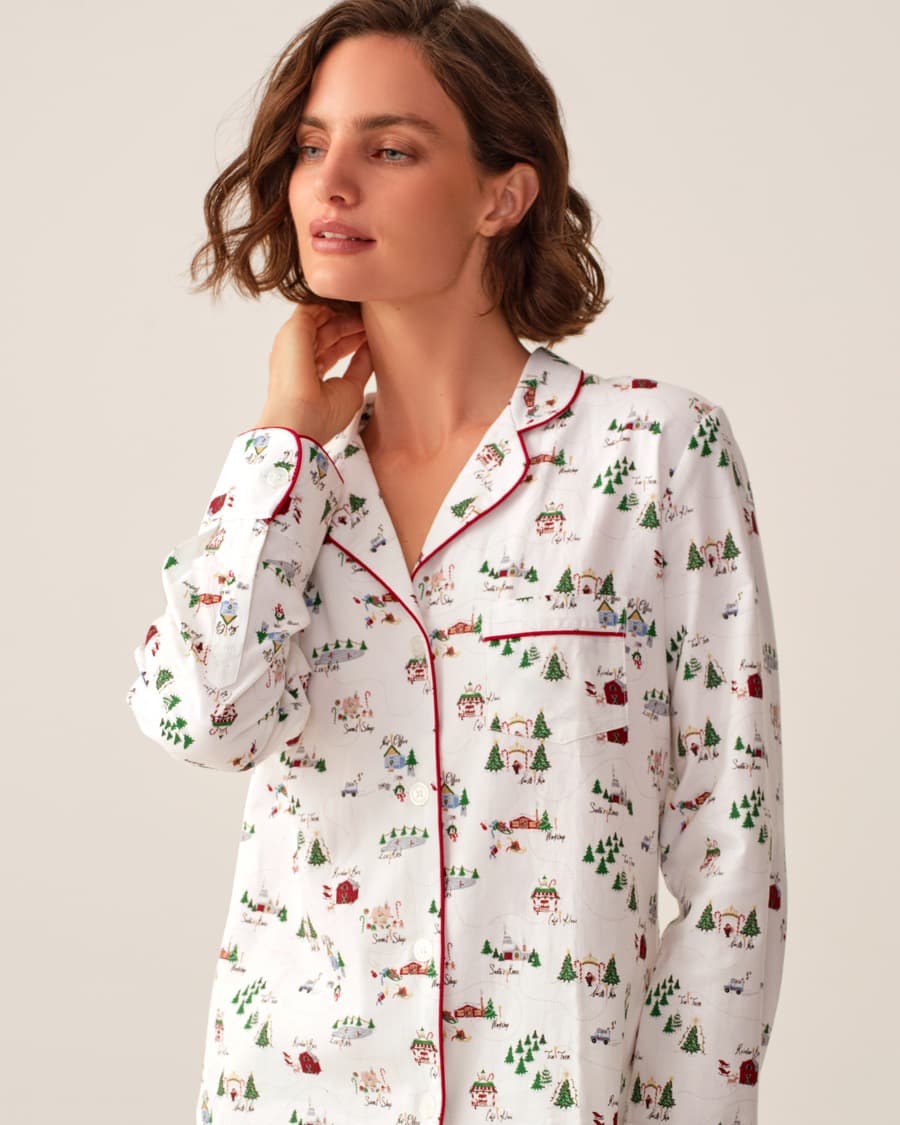
Most Christmas pajamas are polyester fleece, and you sleep in them for weeks. These are cotton and organic cotton flannel, scored, plus matching sets for the whole family.
The Clean Edit
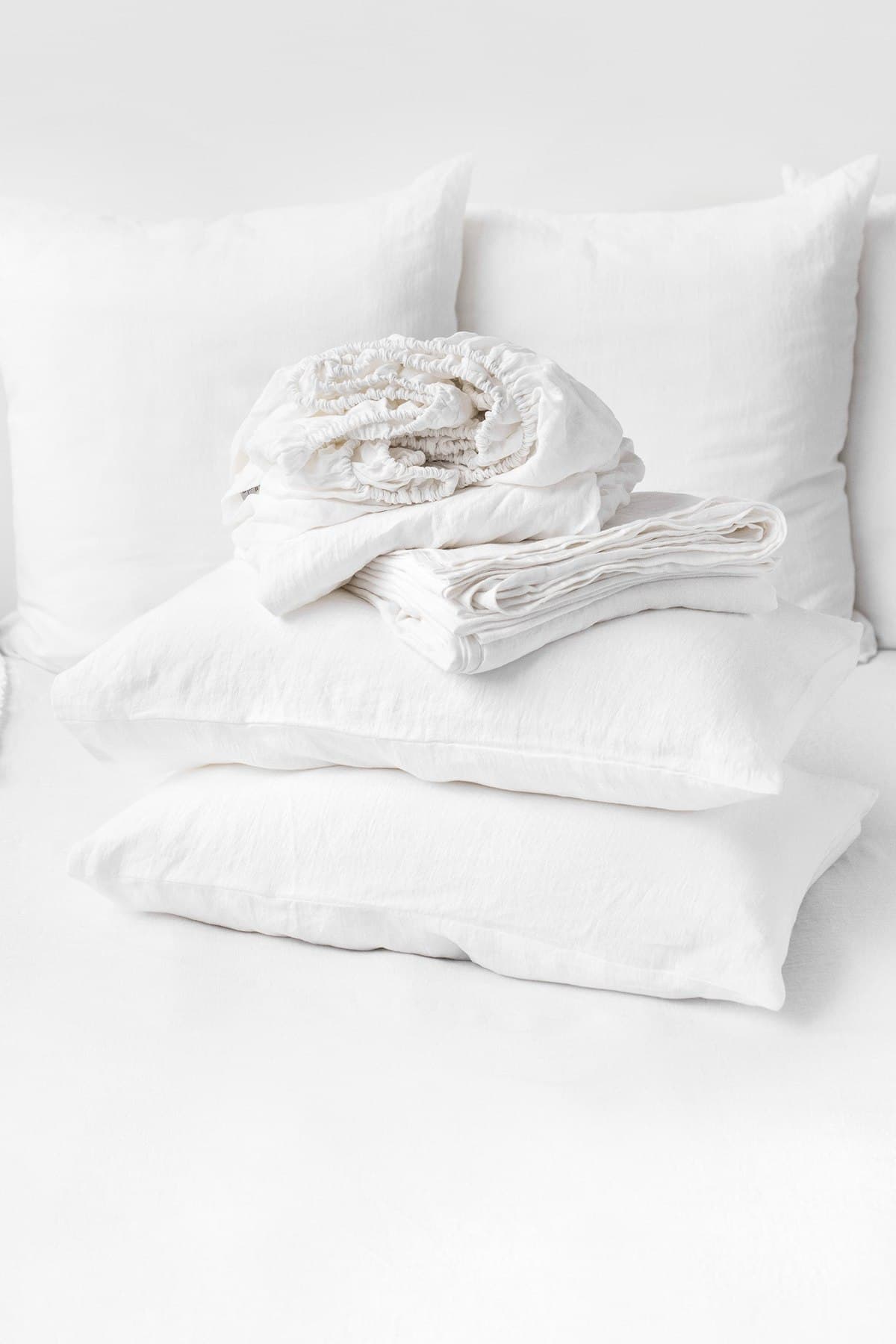
Percale, European flax and eucalyptus lyocell. Twenty-eight sheets and pillowcases for people who wake up hot, with the fiber on every one.

The Clean Edit
Fairytale skirts, 1980s puff sleeves, bias-cut silk. Twenty-five sustainable wedding dresses with the full composition on each, lining included.
The Clean Edit
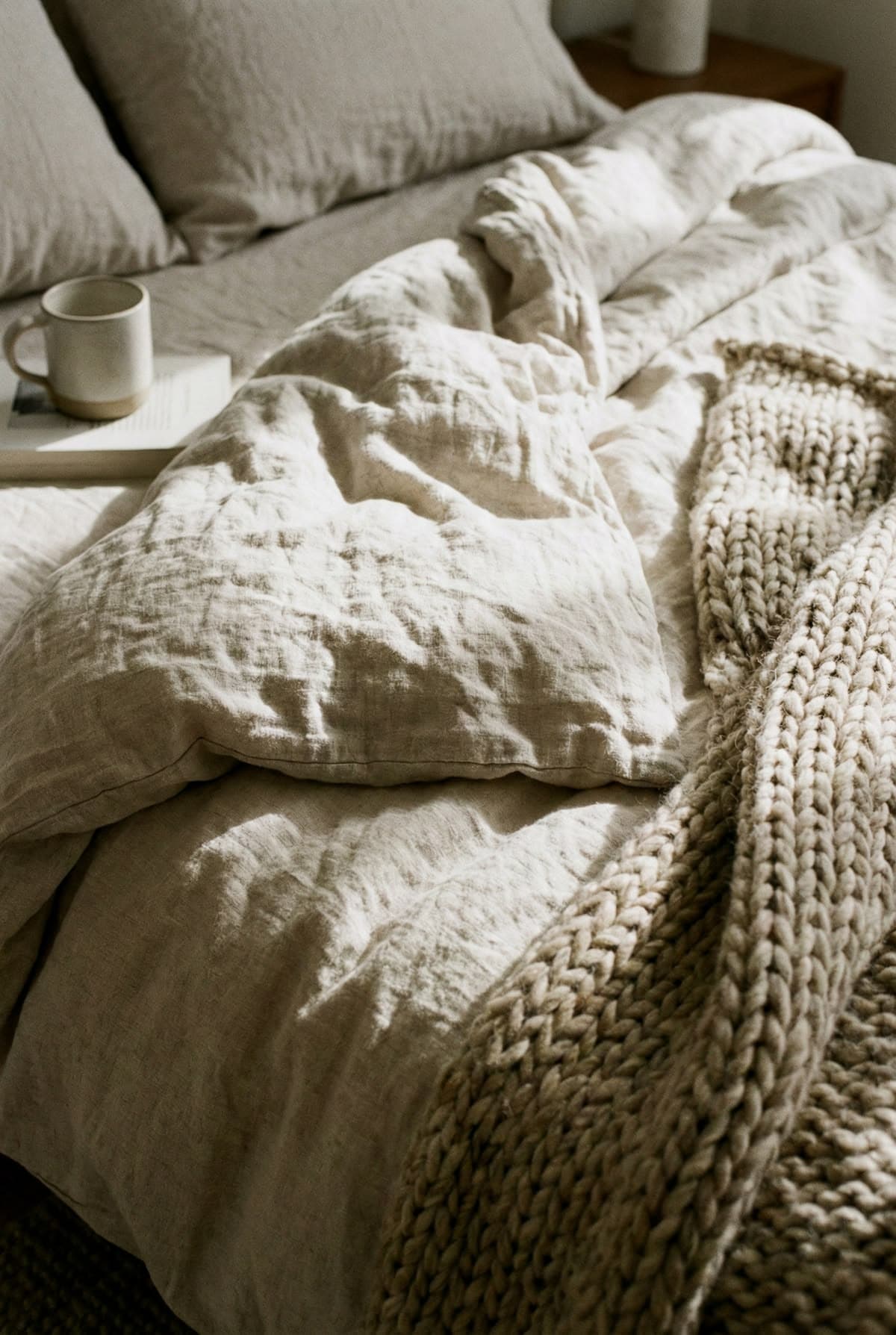
Lola Blankets are 95% polyester and 5% spandex by the brand's own label. Here are six throws that deliver the same weight and softness from named natural fibers instead.

The Clean Edit
The layer against your skin does most of the work on the mountain. Here are 17 natural fiber base layers, all 100% merino wool, with no polyester in the fabric.
Fabric Science
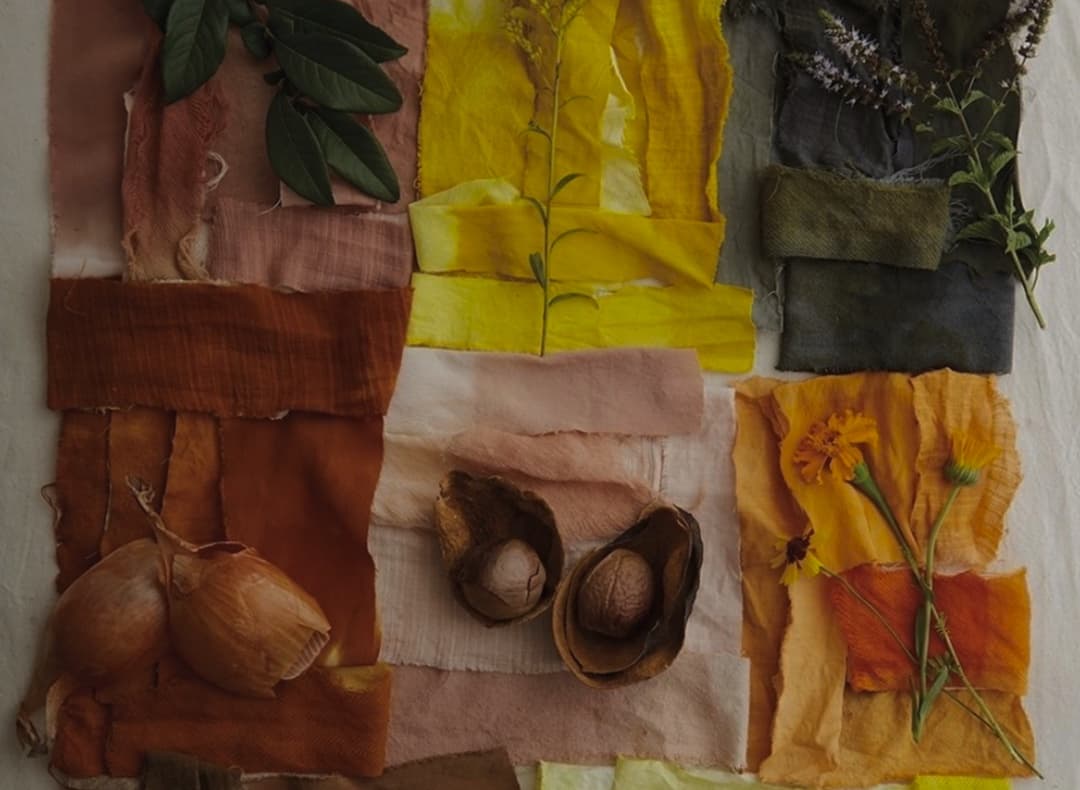
avocado skins, onion skins, walnut hulls, carrot tops and red cabbage will show you, in about an hour, what dye actually is.

The Clean Edit
What you wear for the nine hours nobody sees, which is most of the hours.
The Clean Edit
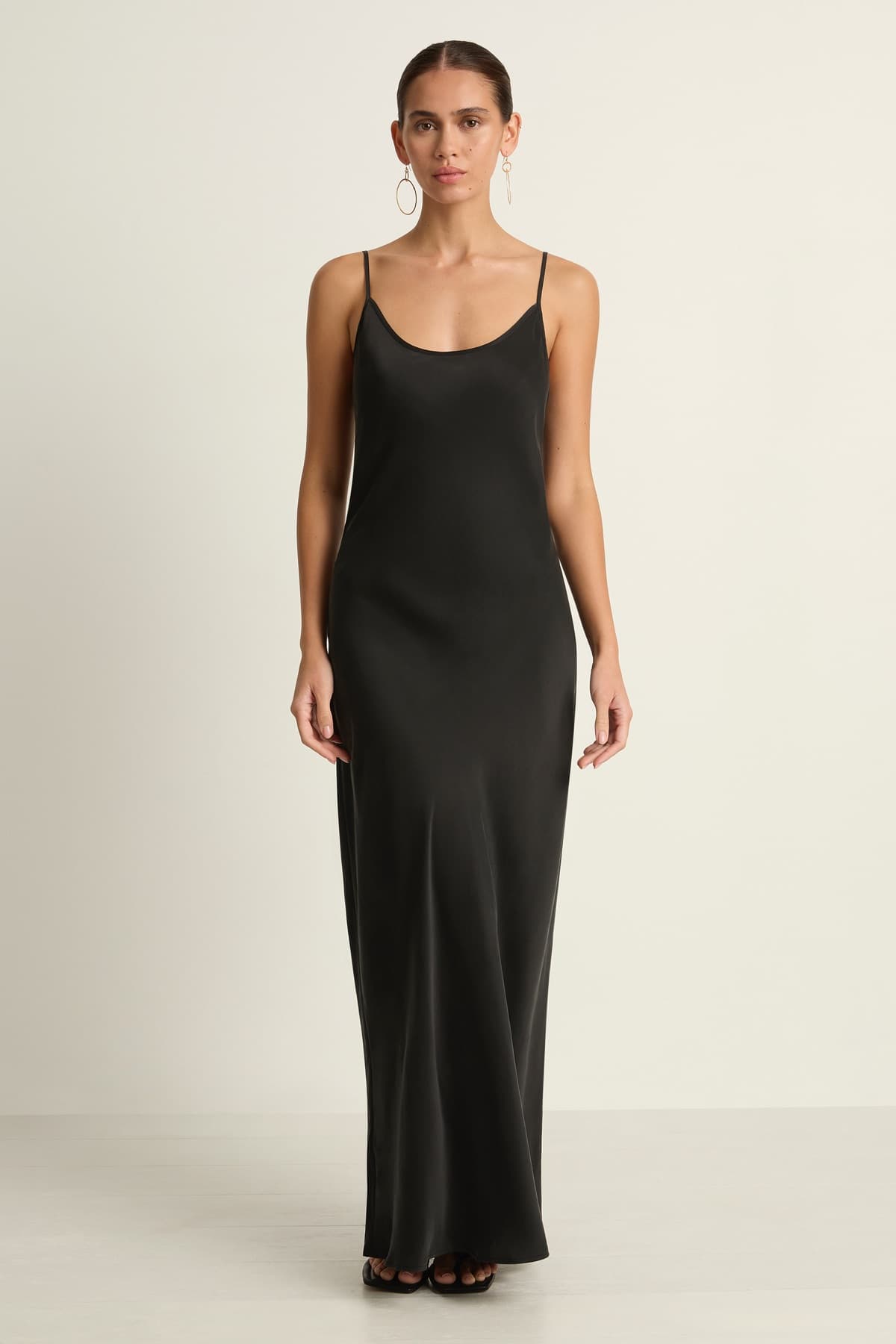
Almost everything sold as a slip dress is polyester. Here is how to tell, and what to buy instead.
The Clean Edit
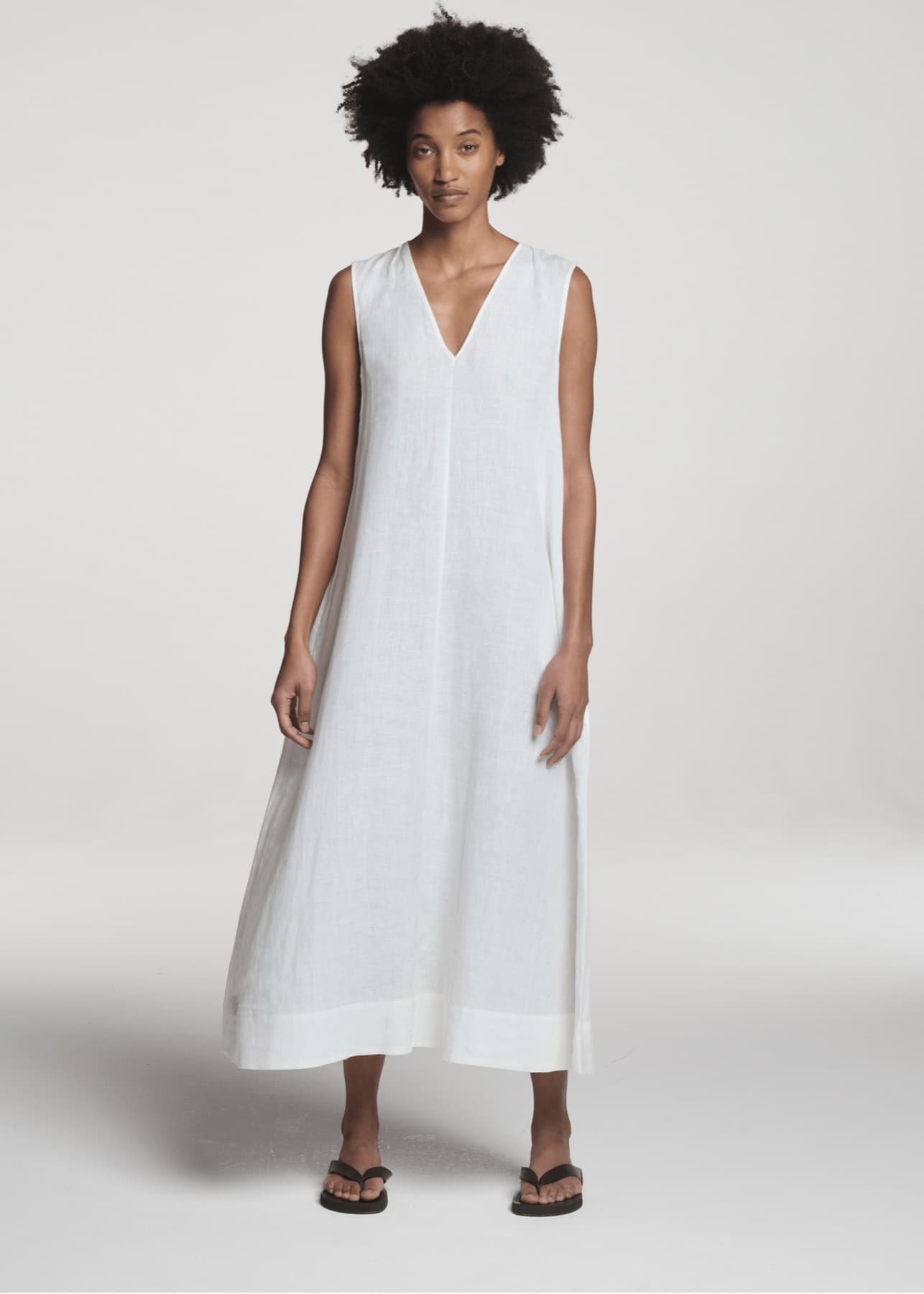
Heat is the one condition that makes fiber content impossible to ignore.
The Clean Edit
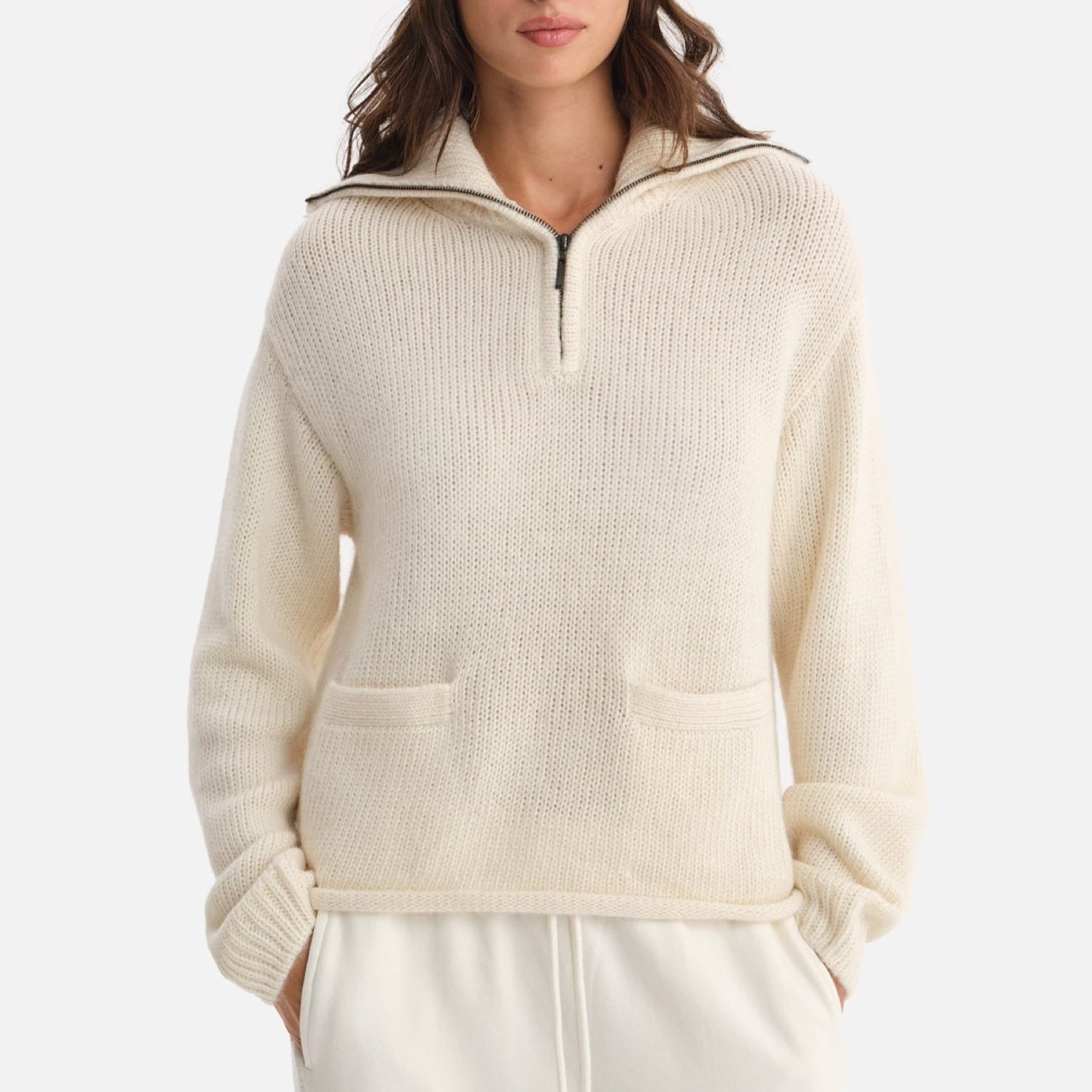
The sweater aisle is mostly acrylic. Here is what the alternative actually costs, and what it buys you.

The Clean Edit
All silk, cheapest first. No polyester, no elastane, nothing white.
The Clean Edit
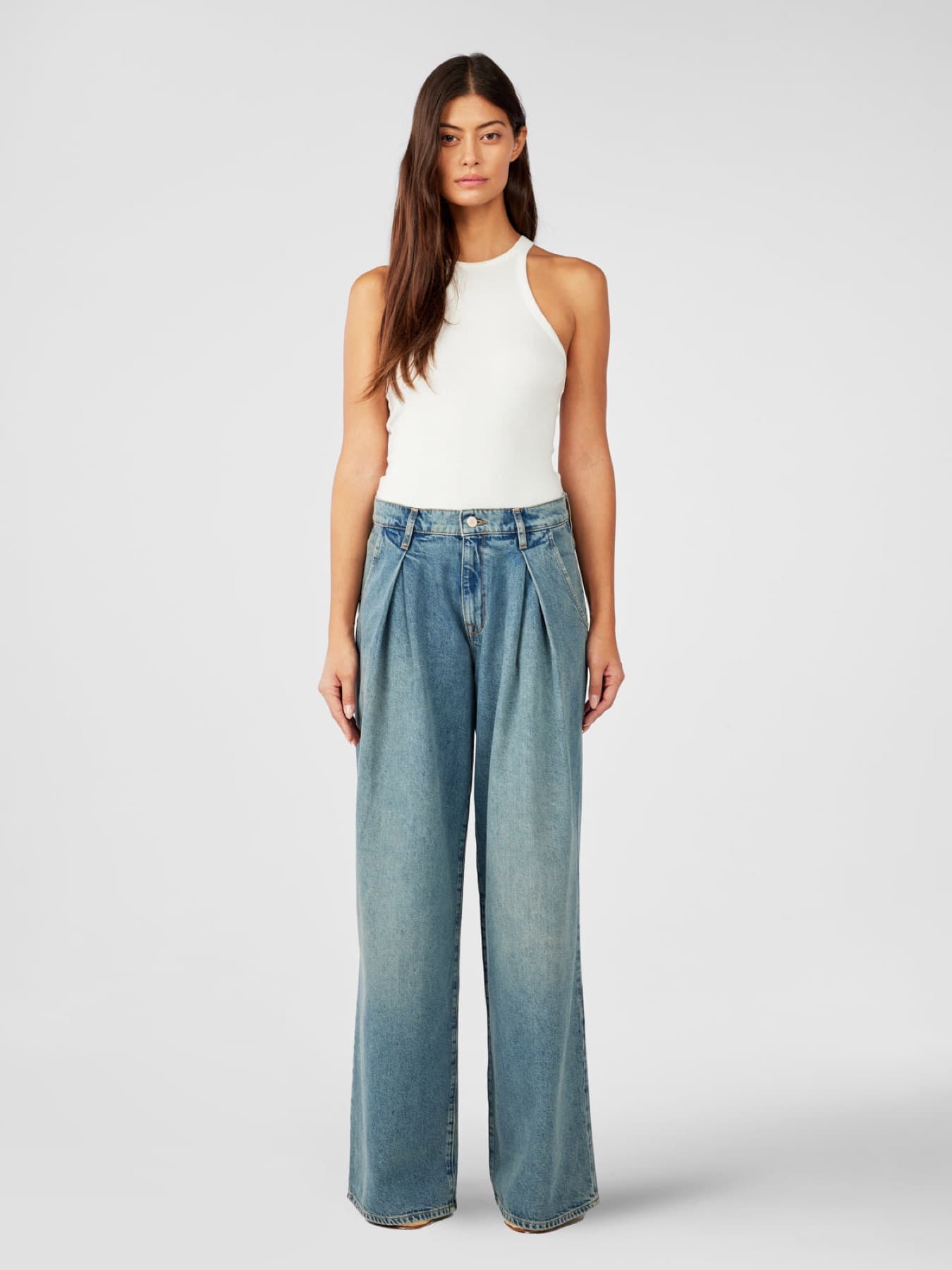
The silhouettes worth buying this fall, and the one number on the label that decides how long they last.

The Clean Edit
The sharpest look in the office runs on fabric, and almost everything sold for it is plastic.
The Clean Edit
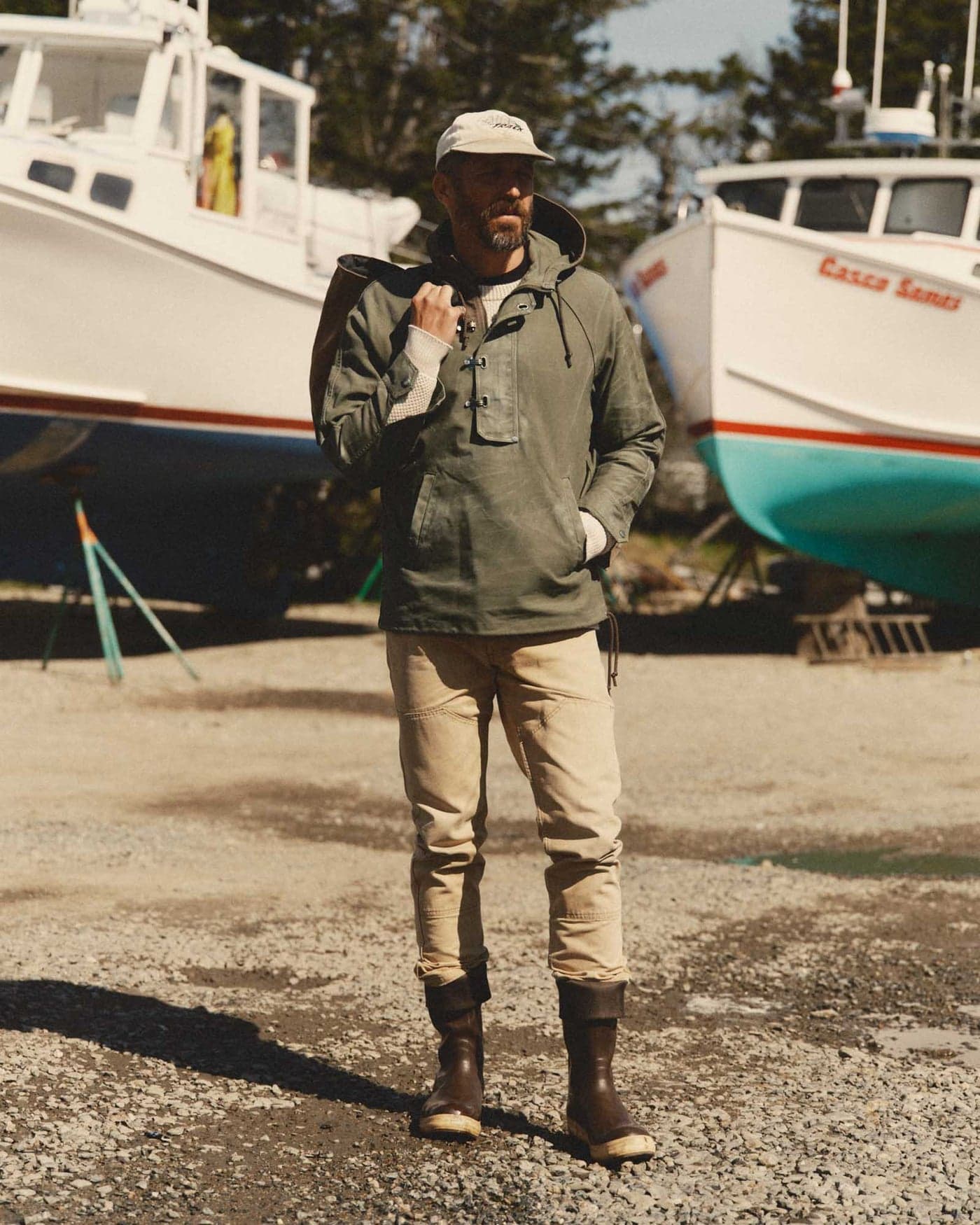
Rain gear is the one category of clothing California carved a PFAS exemption for, and the reason is the finish that keeps you dry. These ten natural fiber jackets do it with wax on cotton instead.

The Clean Edit
Your forehead absorbs about six times what your forearm does, and a hat holds a band against it for hours in the heat. Not one of these six will tell you what that band is made of. Here is what they will tell you.
Fabric Science
Wool shrinks. So how is there a whole shelf of wool that doesn't? Something was done to it, and the tag doesn't have to say what.

Fabric Science
The reason your feet sweat in a shoe is almost always plastic. Five pairs that aren't, and what to read on everything else.
The Clean Edit
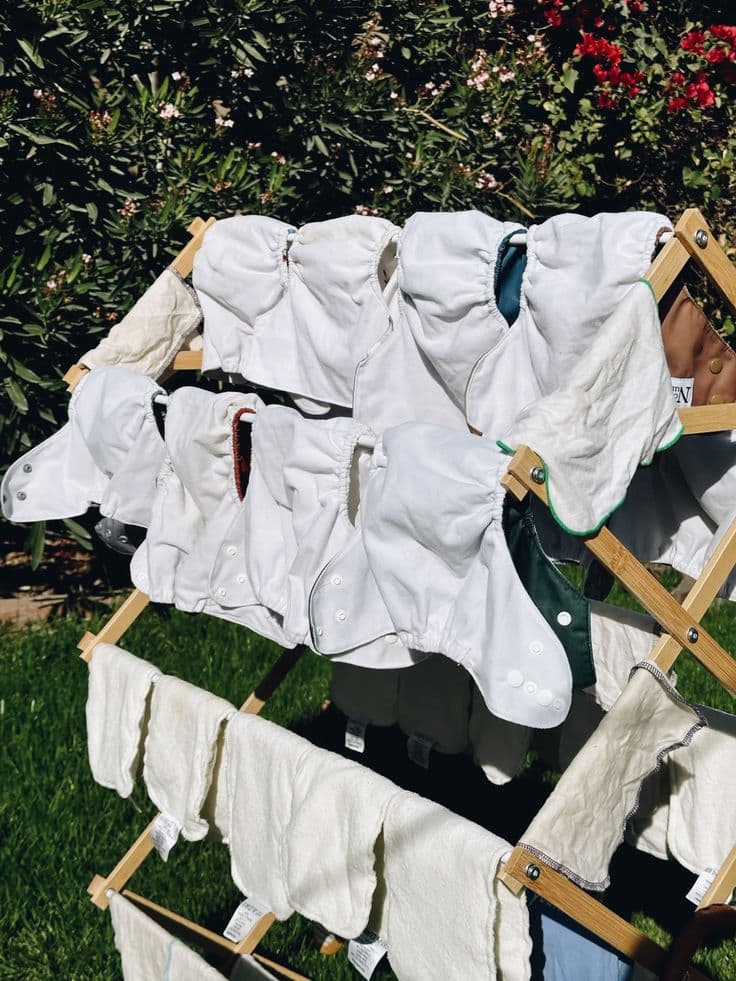
A baby spends roughly three years in a diaper, on the thinnest skin they will ever have. These eight are organic cotton, hemp and wool, scored and priced from $11.95.

The Clean Edit
We read the certificates on every bed, not the marketing. Nine non-toxic mattresses that name what is inside them, how to choose a mattress without a chemistry degree, and the best latex-free pick, ahead of California's fiberglass ban.
The Clean Edit
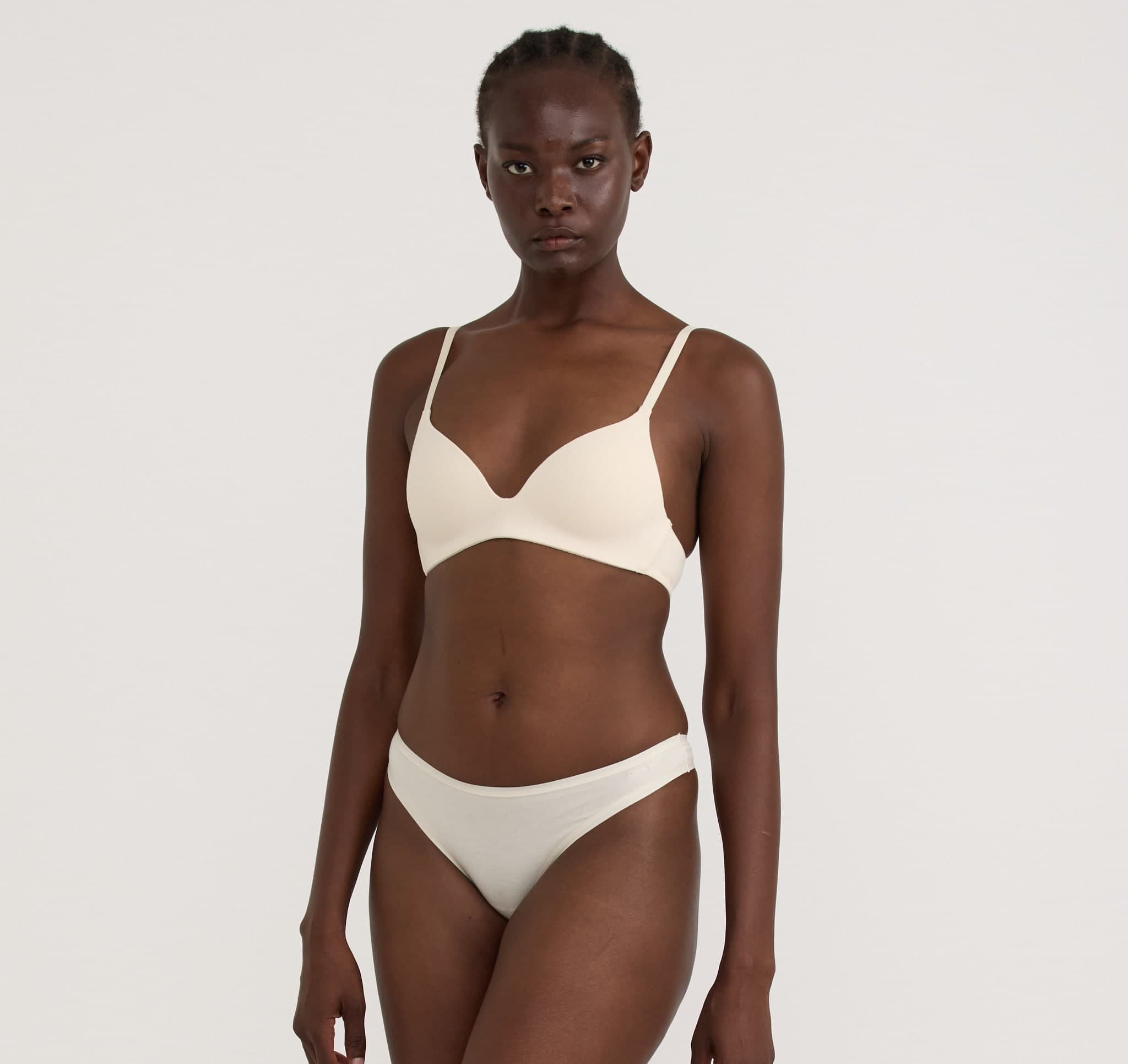
Underwear has more contact time with more permeable skin than anything else in the drawer. These nine are made of fiber worth sitting in, scored and priced from $8 to $55.
The Clean Edit
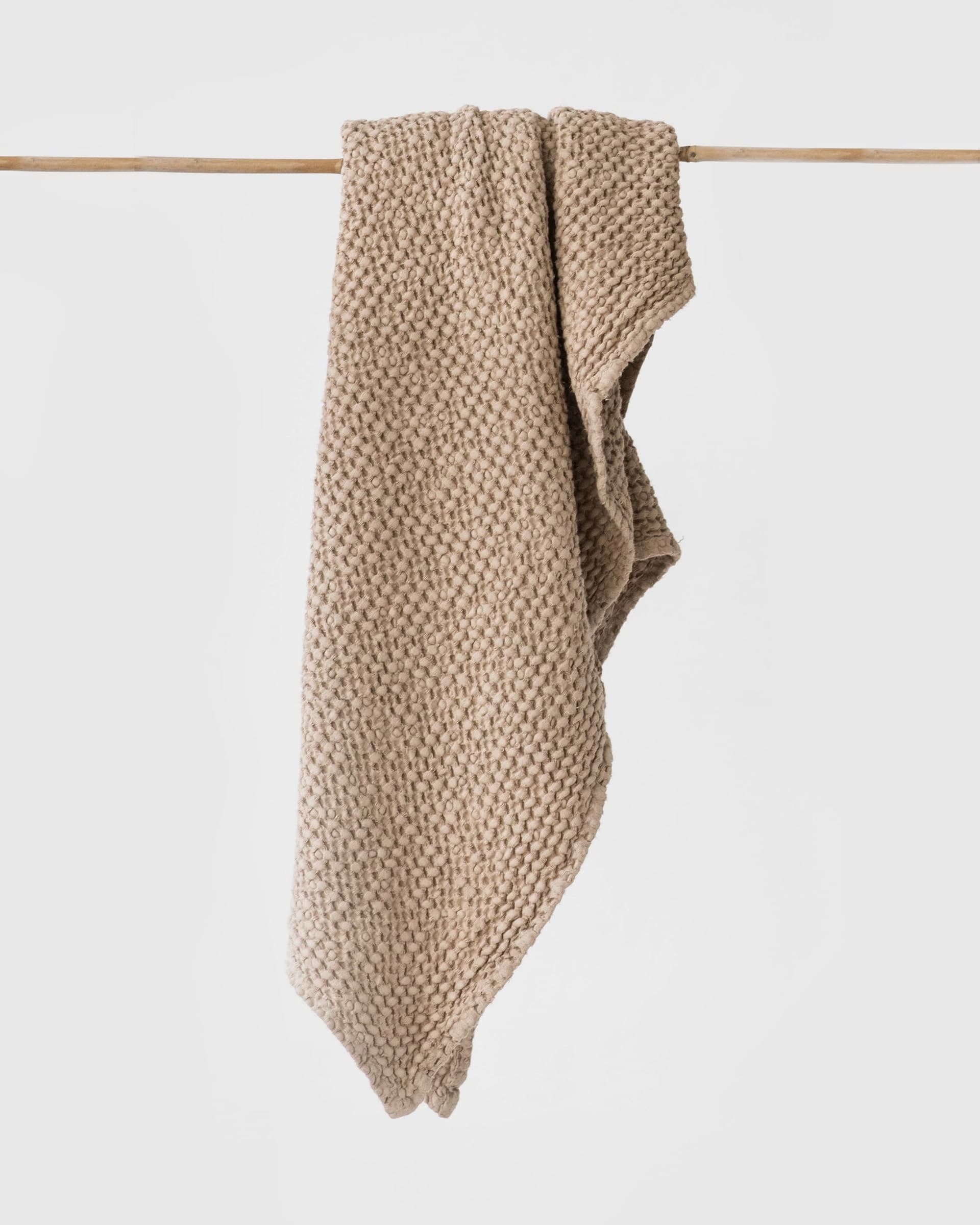
A towel touches every inch of you, twice a day, on warm damp skin. These eight are organic cotton, linen and lyocell, scored and priced from $48.
The Clean Edit
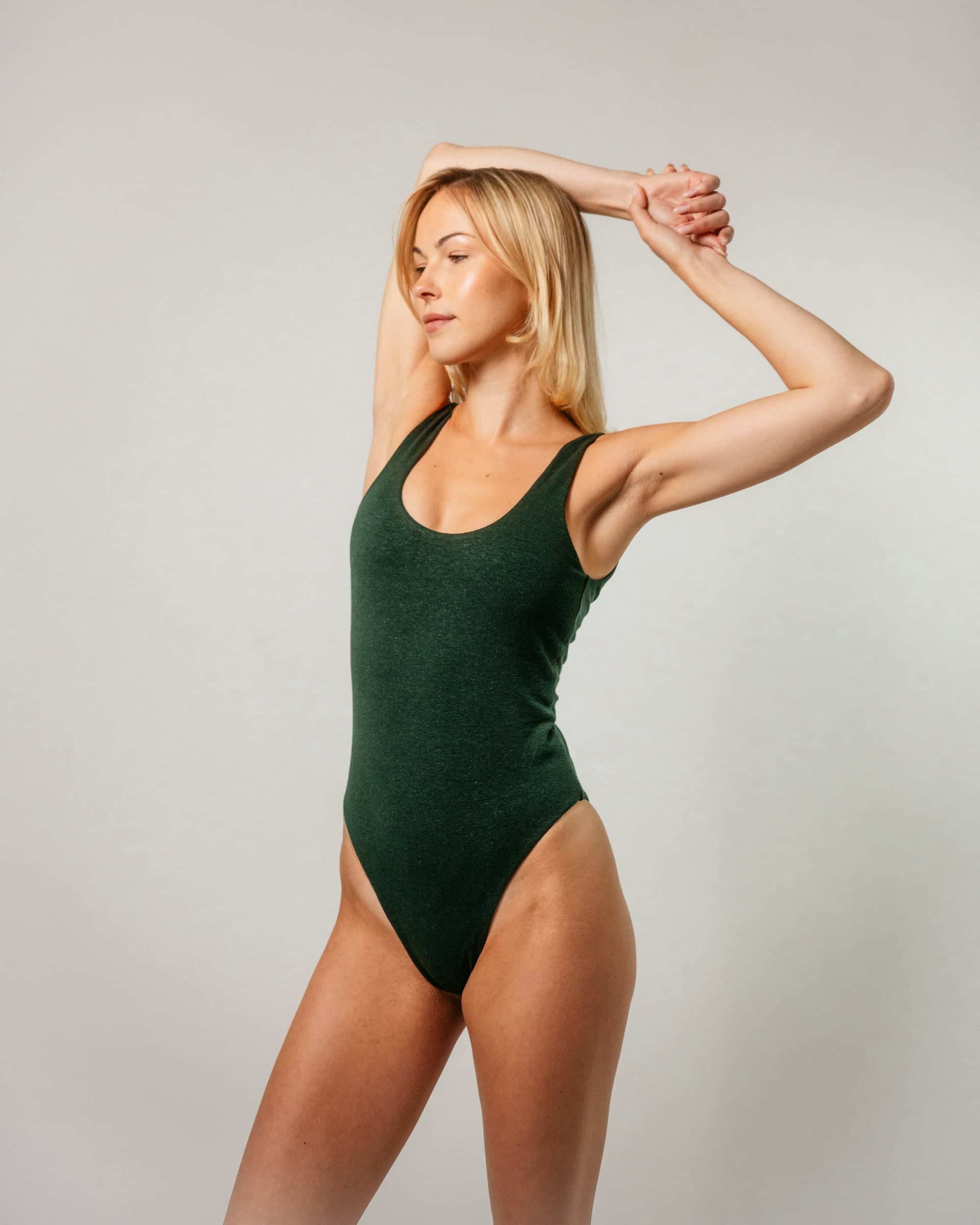
Almost every swimsuit on earth is plastic. These eight brands build theirs from hemp, organic cotton, or merino wool, and together they are close to the whole category.
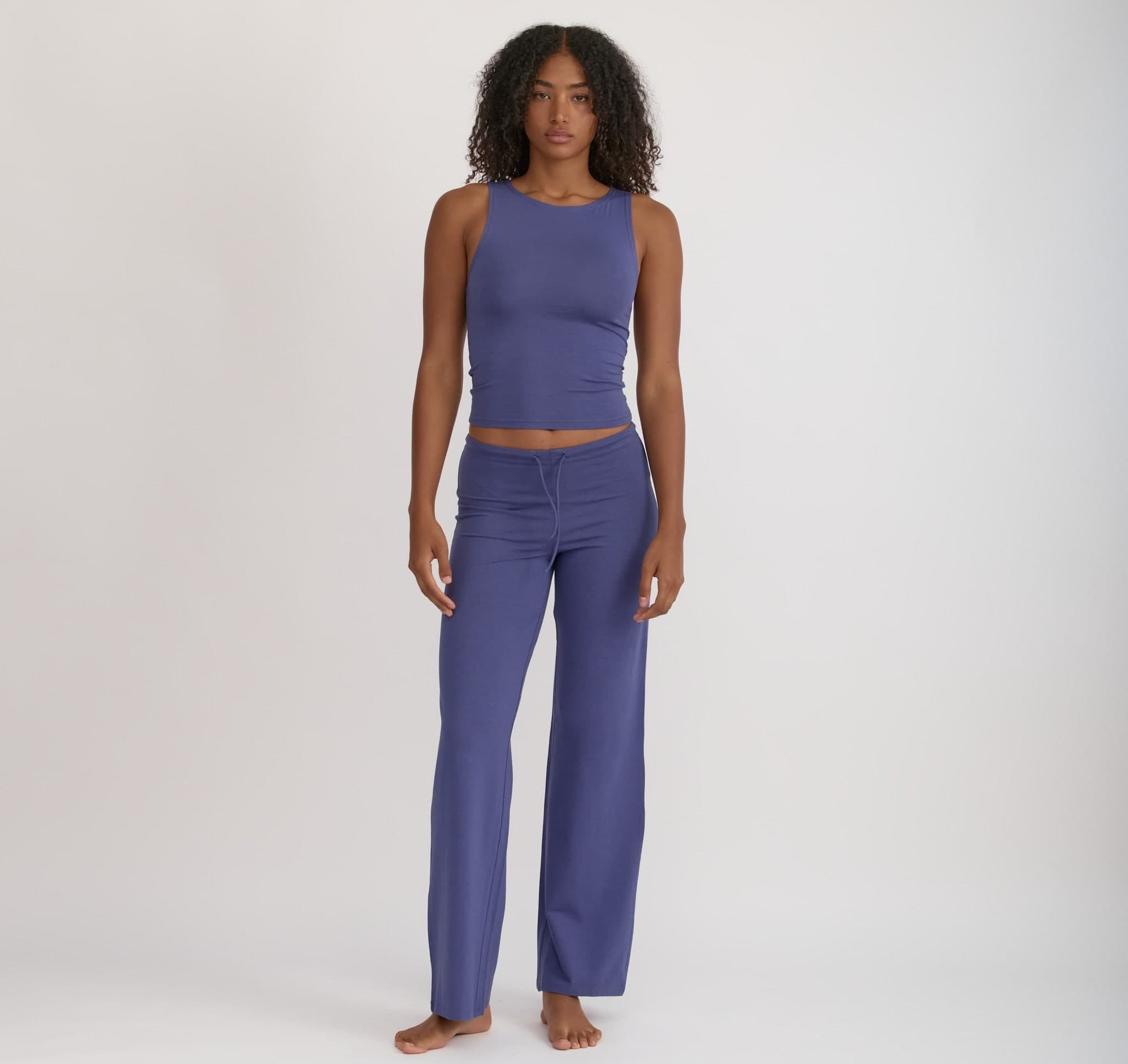
The Clean Edit
Low-rise flares, baby tees, capris, the whole gym-bag wardrobe of 2003 is back. Here are five pieces that are actually made of natural fiber, all under $100.
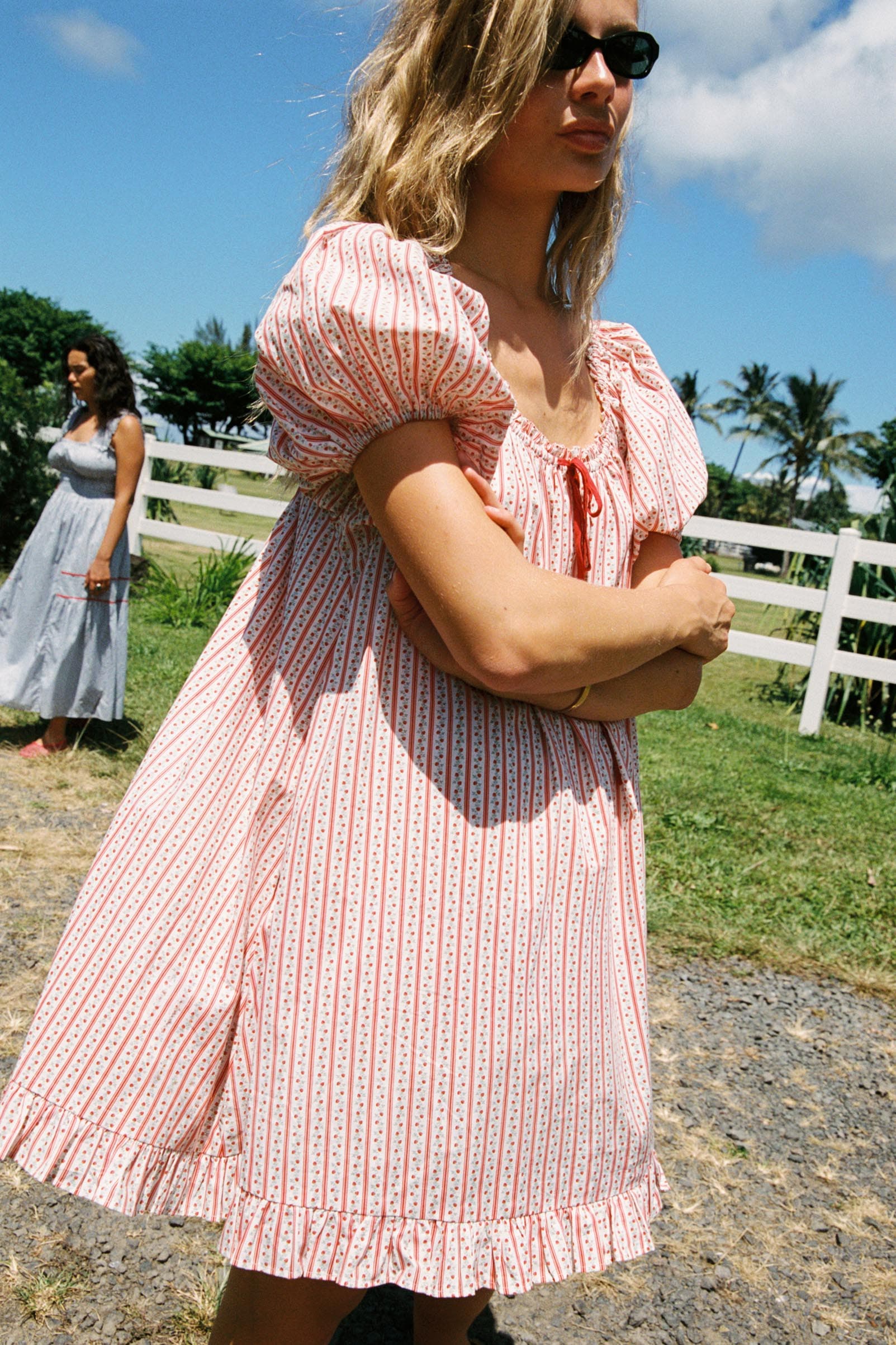
In the News
Four trends worth wearing, and the natural-fiber pieces to wear them in.
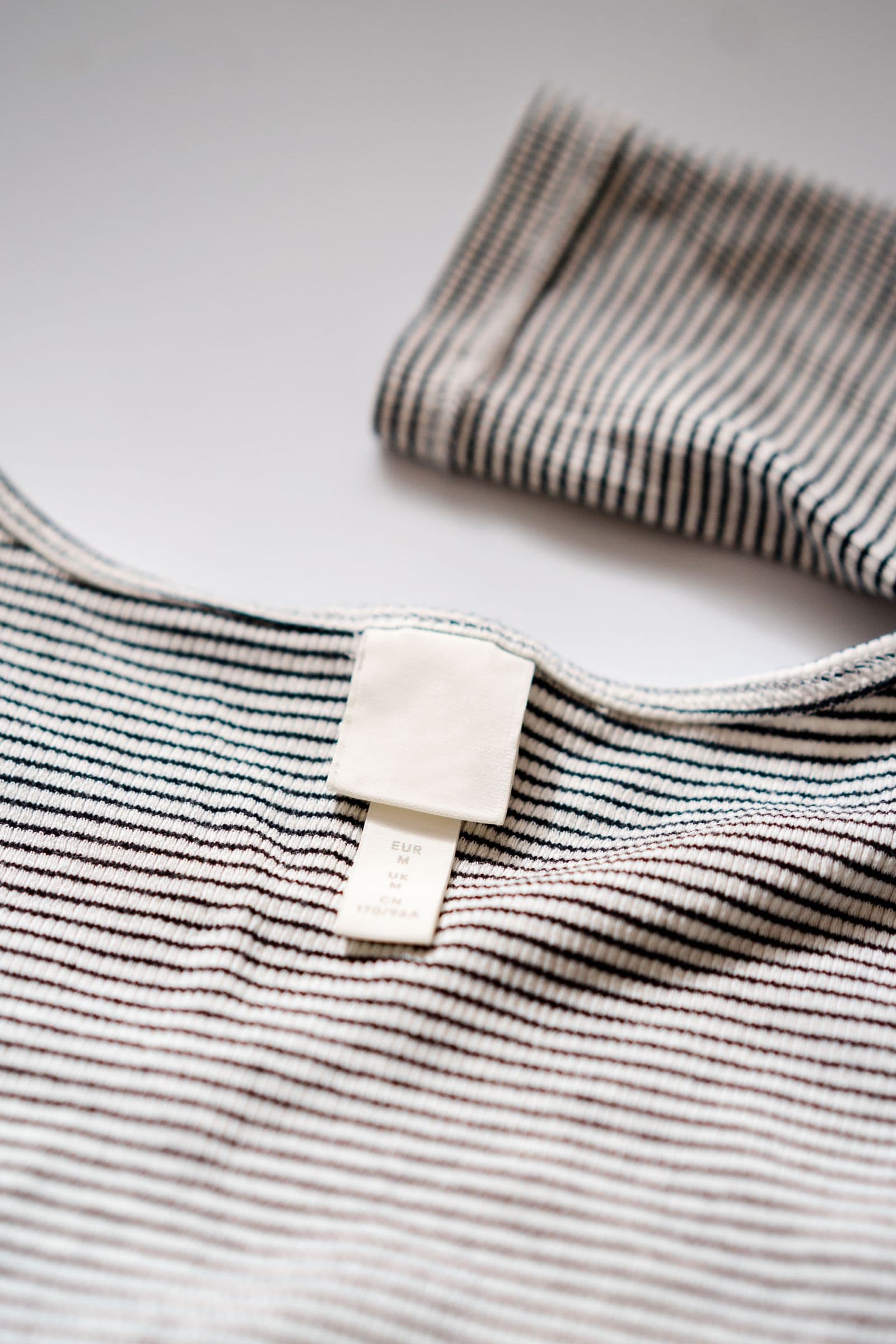
Fabric Science
You can't see the chemicals in a new top, but the garment tells you more than you think. A practical, five-step way to check if your clothes contain harmful chemicals, straight from the label.
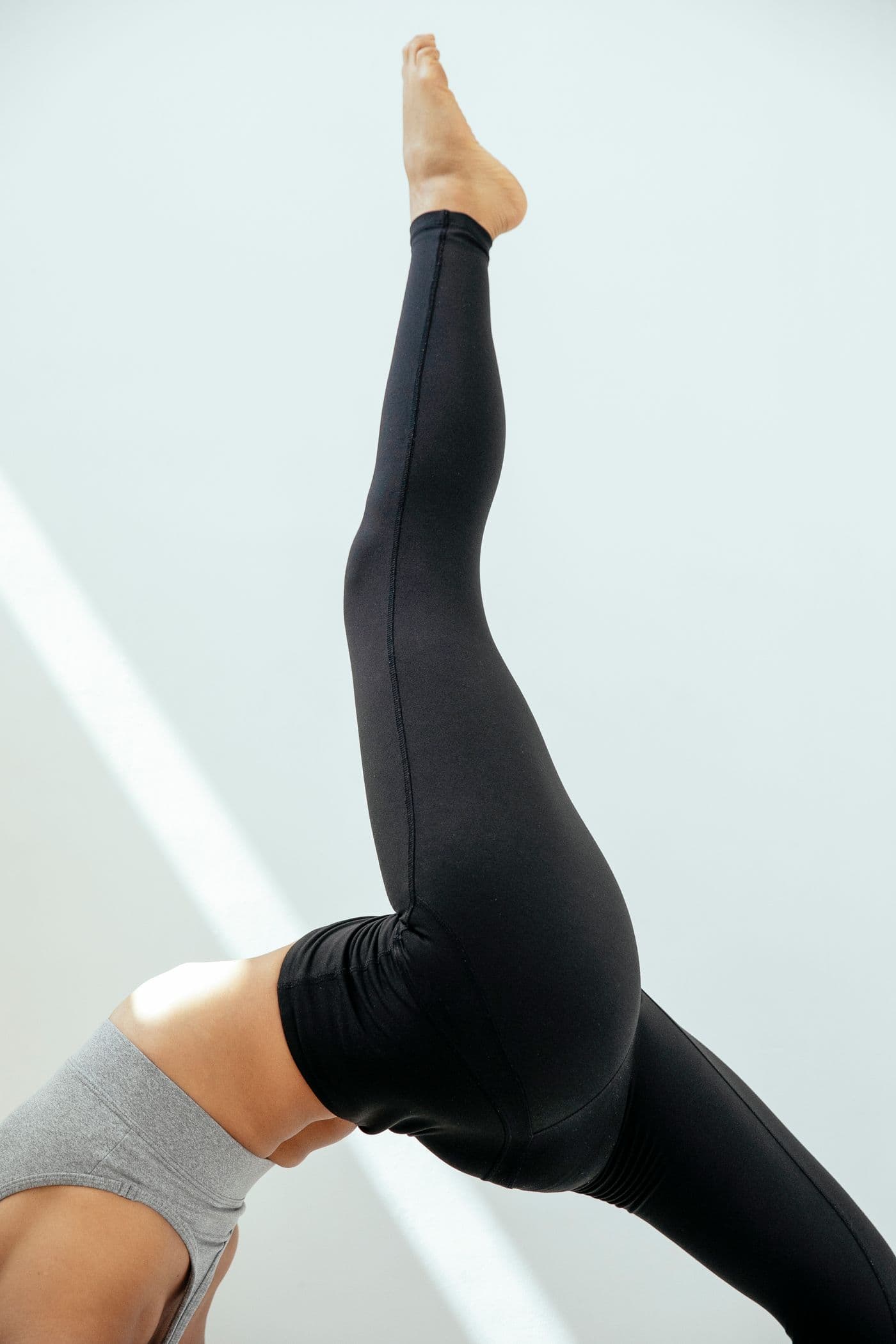
Fabric Science
PFAS, the forever chemicals, hide in the water-repellent and sweat-wicking finishes on a lot of performance gear. How they end up in leggings, what they do to your hormones, and how to find natural fiber, PFAS-free activewear.
In the News
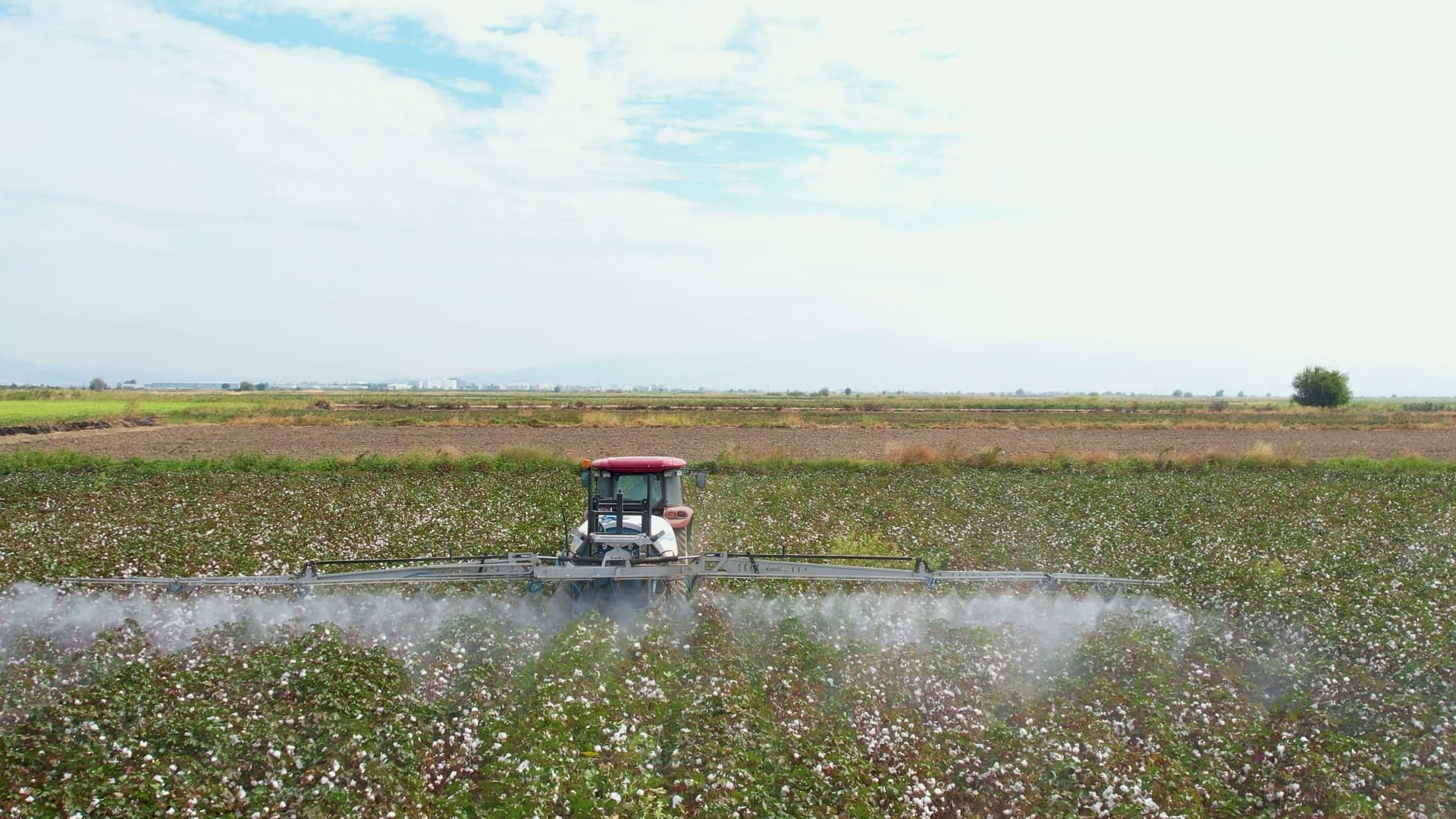
On June 25, the Court made Monsanto almost impossible to sue over the cancer risk of Roundup. The same weedkiller is sprayed on most of the cotton you wear, and almost no one connected the two.
In the News
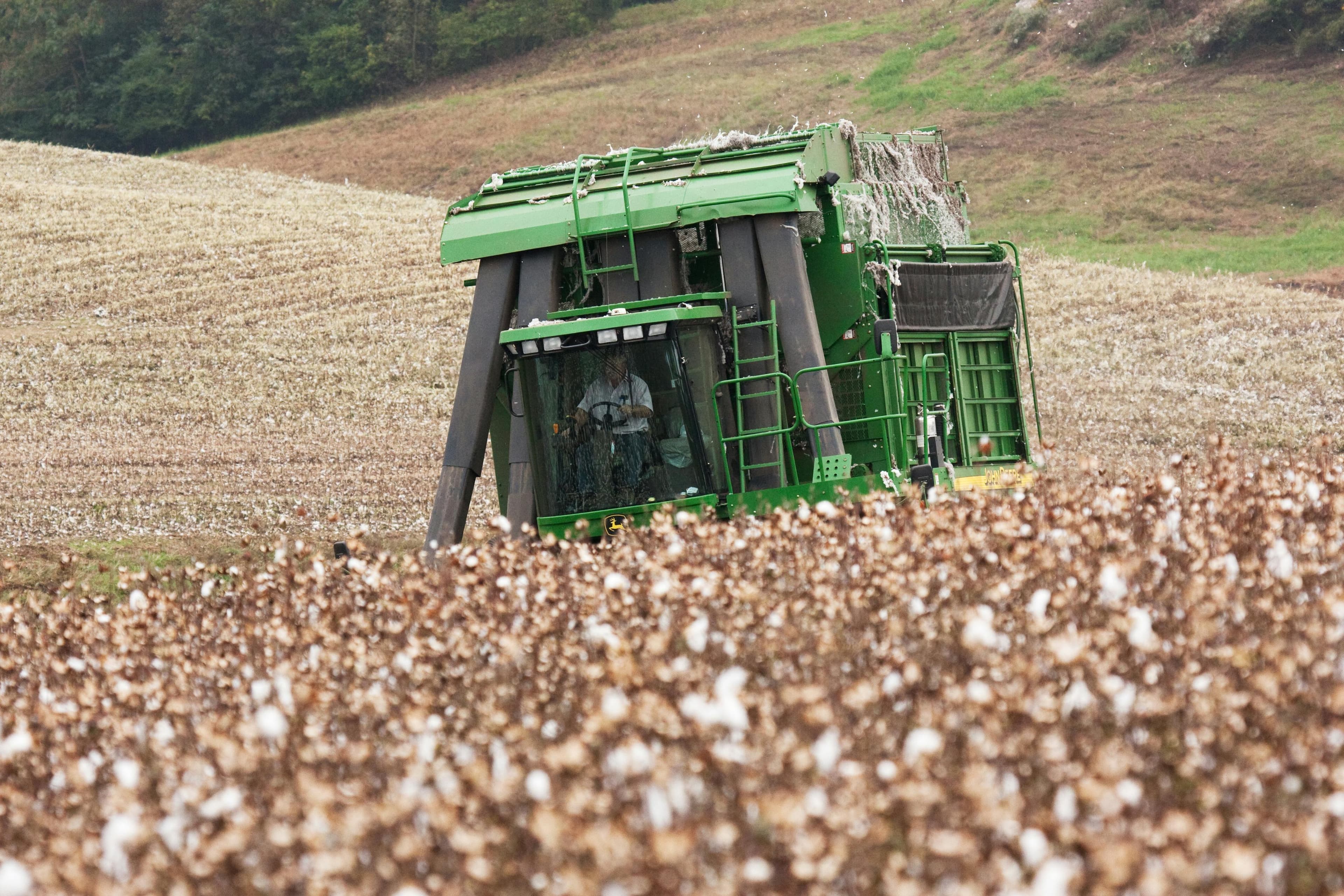
On May 28, the USDA launched a campaign urging shoppers to pick natural cotton over synthetic fabric, citing microplastics and health. Supporters call it overdue. Critics call it oversimplified. Here is what the plan says, what the science shows, and where people disagree.
Fabric Science
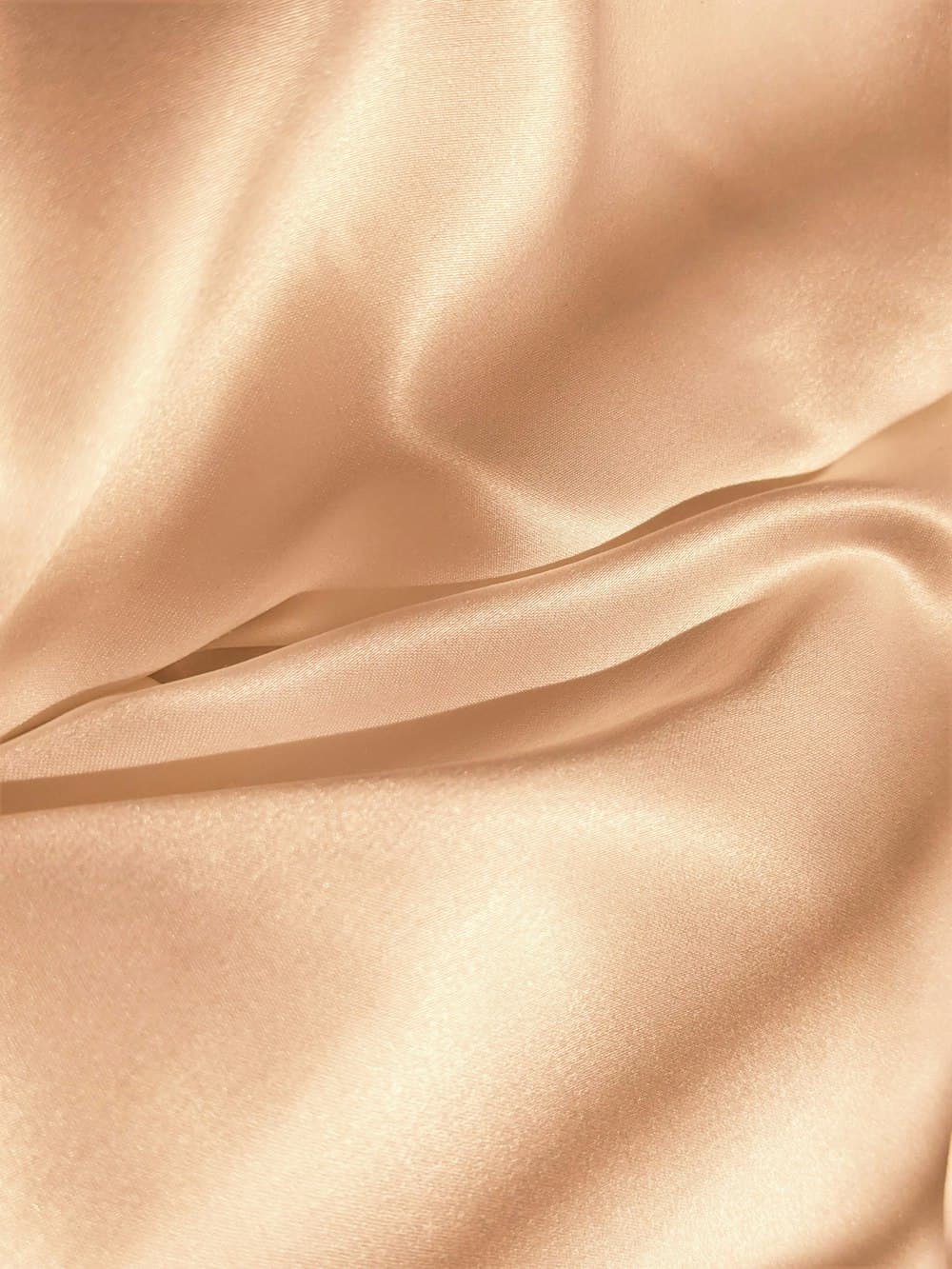
Viscose starts as wood and ends as something soft and almost silky. The chemistry in between is the part the label leaves out.
Fabric Science
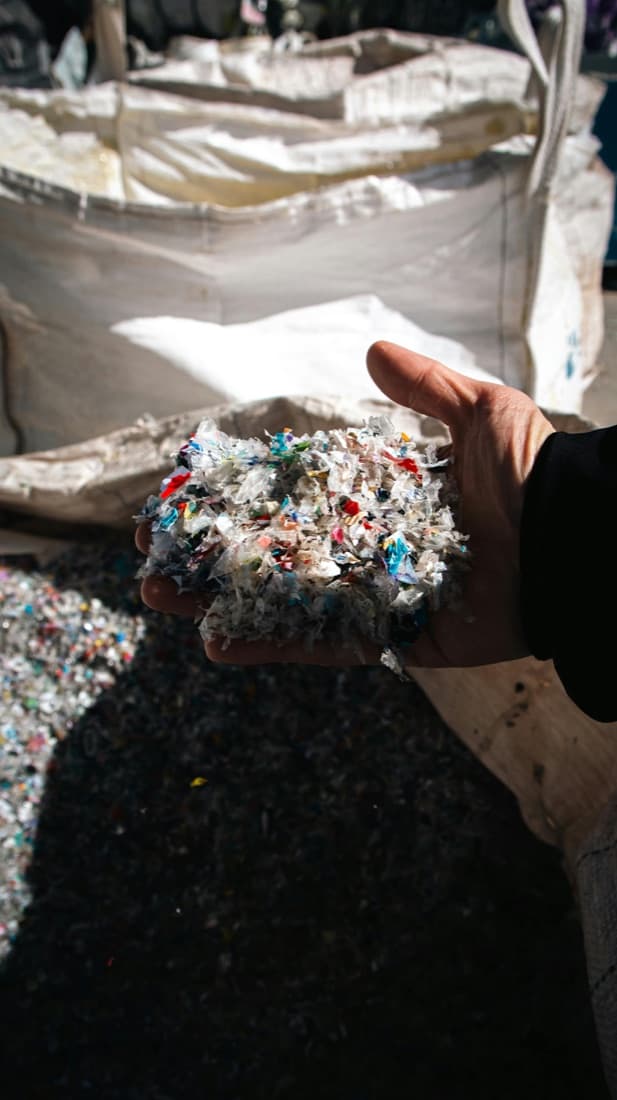
One comes from a plant. The other comes from oil. On a hot day, against your skin, the difference is bigger than the price tag lets on.
Fabric Science
They come from the same tree and the same chemistry. One just behaves better, and the names on the tag hide which is which.
Fabric Science
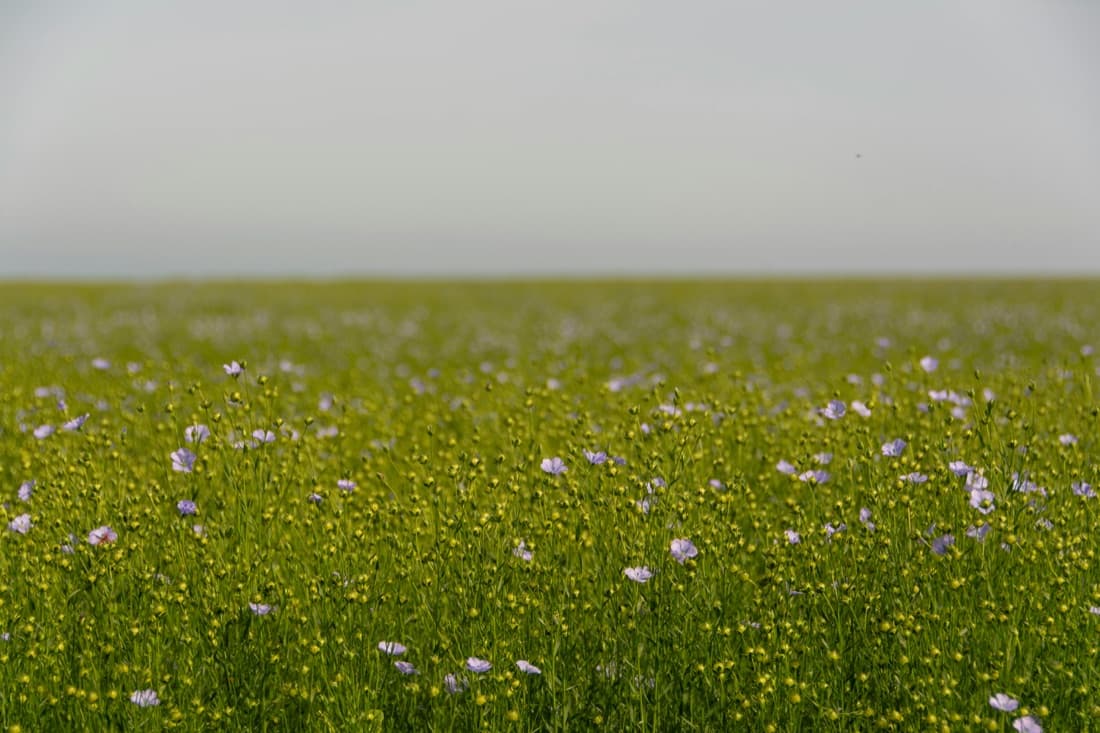
Two natural fibers, both clean, both breathable. One keeps you cooler, the other keeps you softer. Here's how to choose between them.
Fabric Science
Spandex and elastane are the same plastic, hiding in the 'stretch' of almost everything you wear. What it is, and what's actually worth worrying about.
Fabric Science
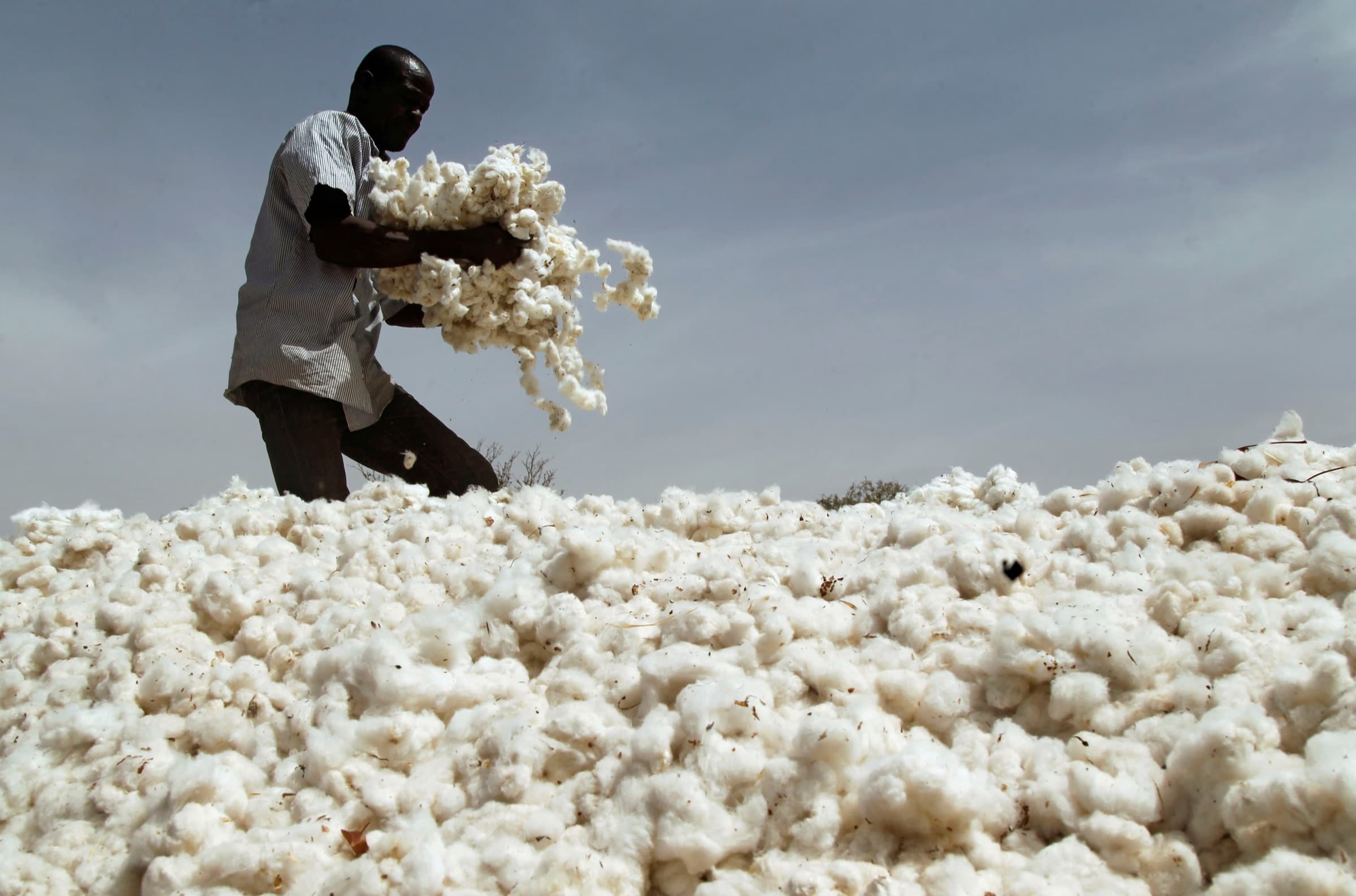
Organic tells you what a farm refused to use. Regenerative tells you what it's trying to rebuild. The gap between those two ideas is bigger than the tag makes it look.
Fabric Science
Your gym top and a soda bottle start in nearly the same place. Here is what wearing plastic all day actually does, and the small swaps that matter.
In the News
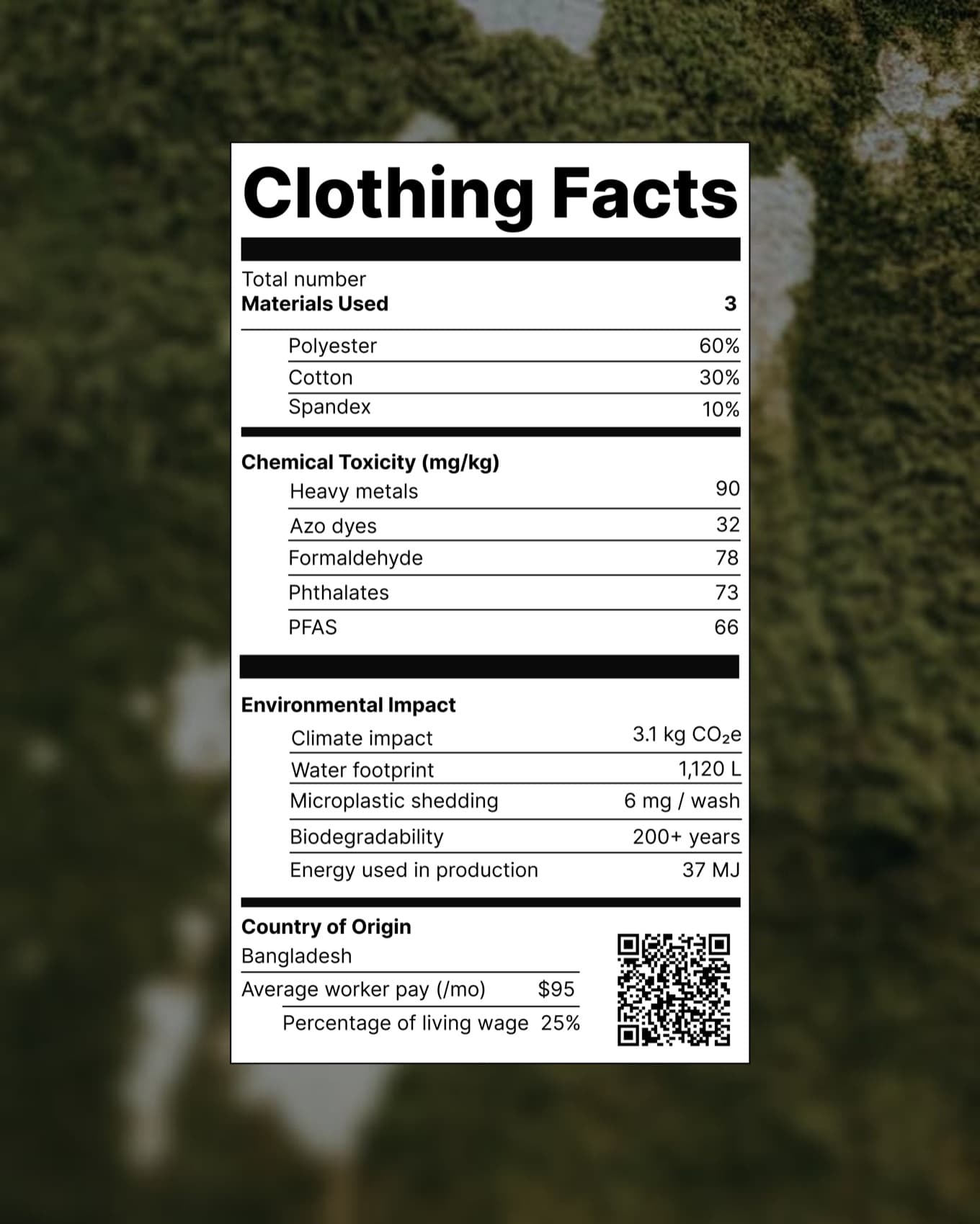
Scientists tested 111 everyday pieces of clothing. What they found, and why a good sweat makes it worse, is worth knowing before you get dressed tomorrow.