The Summer Edit: Farm-to-Closet
Four trends worth wearing, and the natural-fiber pieces to wear them in.
5 min read

Every summer has a fabric. This one belongs to linen. Not as a fallback for the days too hot to think, but as the thing the whole season is built around: the runways, the resort edits, the woman three tables over at lunch in a crumpled oat-colored dress who looks more expensive than anyone trying harder. Linen is having the kind of moment a fiber almost never gets, named outright, wanted on purpose.
What changed is quieter than a trend, and bigger. Quiet luxury spent two years teaching us to strip the logos off. Now it has moved on to what the clothes are actually made of, and the answer is a natural fiber that grew: linen, cotton, silk. There is a policy tailwind under it too. In May, the USDA launched its Great American Cotton Plan under a blunt banner, Plant Not Plastic. When the federal government starts framing your wardrobe as plants versus plastic, the fashion conversation and the health conversation have become the same conversation. Here are the four trends worth wearing this summer, and how to wear them farm-to-closet, without the synthetic tax.
The wide-leg linen trouser set
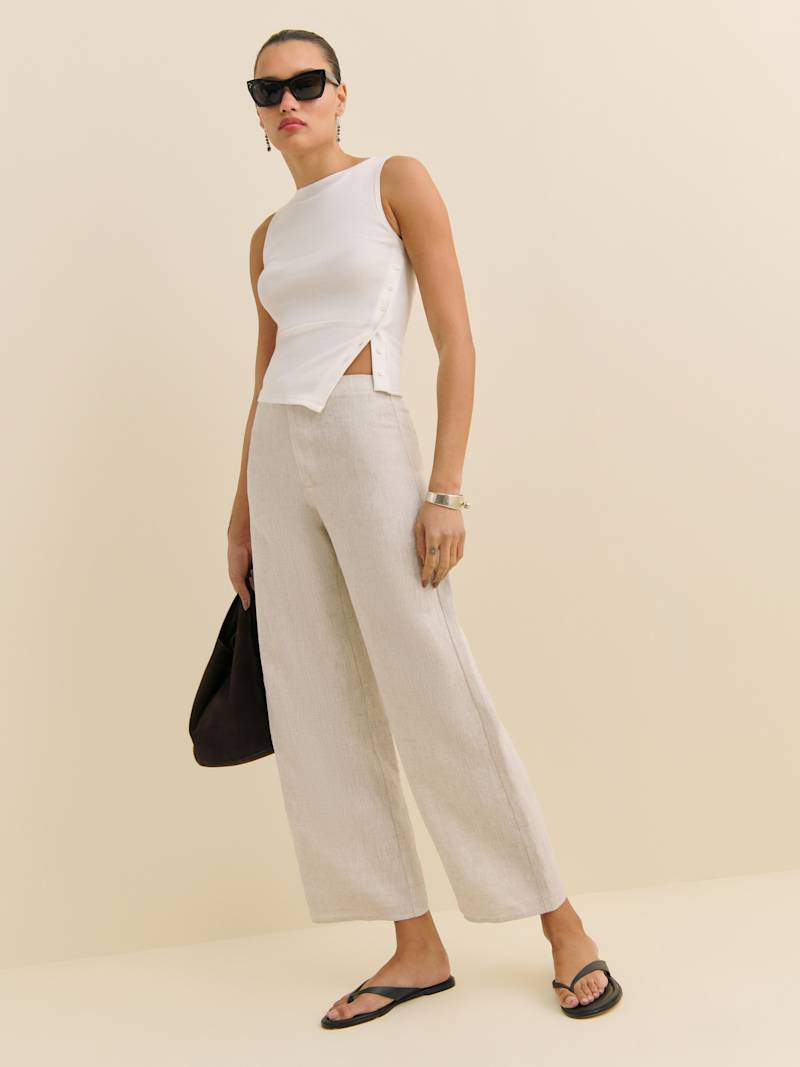
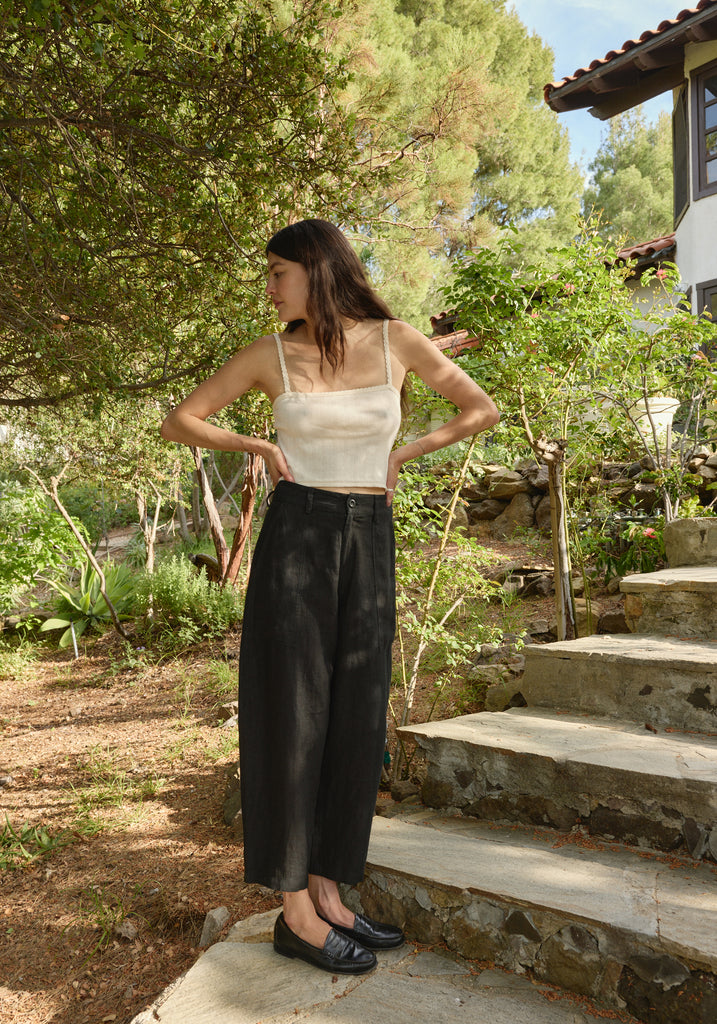
The single most-worn silhouette of the season is a loose, fluid, wide-leg linen trouser, usually styled as a set with its matching shirt. Who What Wear has it at the top of nearly every summer linen roundup for a reason: it does the work of a suit and the work of pajamas at once, and it moves air across the skin instead of trapping it.
Buy it in a heritage-linen house and it outlasts the trend by a decade. Christy Dawn grows its cotton on its own regenerative farm, which is the whole idea of farm-to-closet in one label. Pair the trouser with an oversized linen shirt and you have the uniform.





The brown linen minidress
The color story of the summer is not white. It is brown. Poppy Delevingne set the micro-trend the rest of the season followed: a short, unfussy linen minidress in oat, toffee, and sun-baked earth tones, worn with bare legs and flat sandals.
It is the anti-sundress, warmer and more grown than the usual ditsy floral, and in a breathable linen it stays cool while it reads rich. Shown here in the season's warm naturals, cut from linen and organic cotton that let the heat out.



Quiet luxury now has a fiber requirement
This is the shift worth internalizing. The neutral-palette, no-logo, expensive-feeling look is now defined by fiber, not by price tag. A silk slip in bone or sand, a column of undyed linen, a heavy organic-cotton tee that hangs like it costs triple: the aesthetic and the material have fused.
You cannot fake it in a synthetic. A slippery poly blend photographs as exactly what it is, while the rumpled, sun-warmed drape that reads as money is a property of flax and cotton and silk. If it is quiet luxury and it is polyester, it is a costume. Reach for the silk and the linen that make the look real, not the print that imitates it.




Cou Cou Intimates
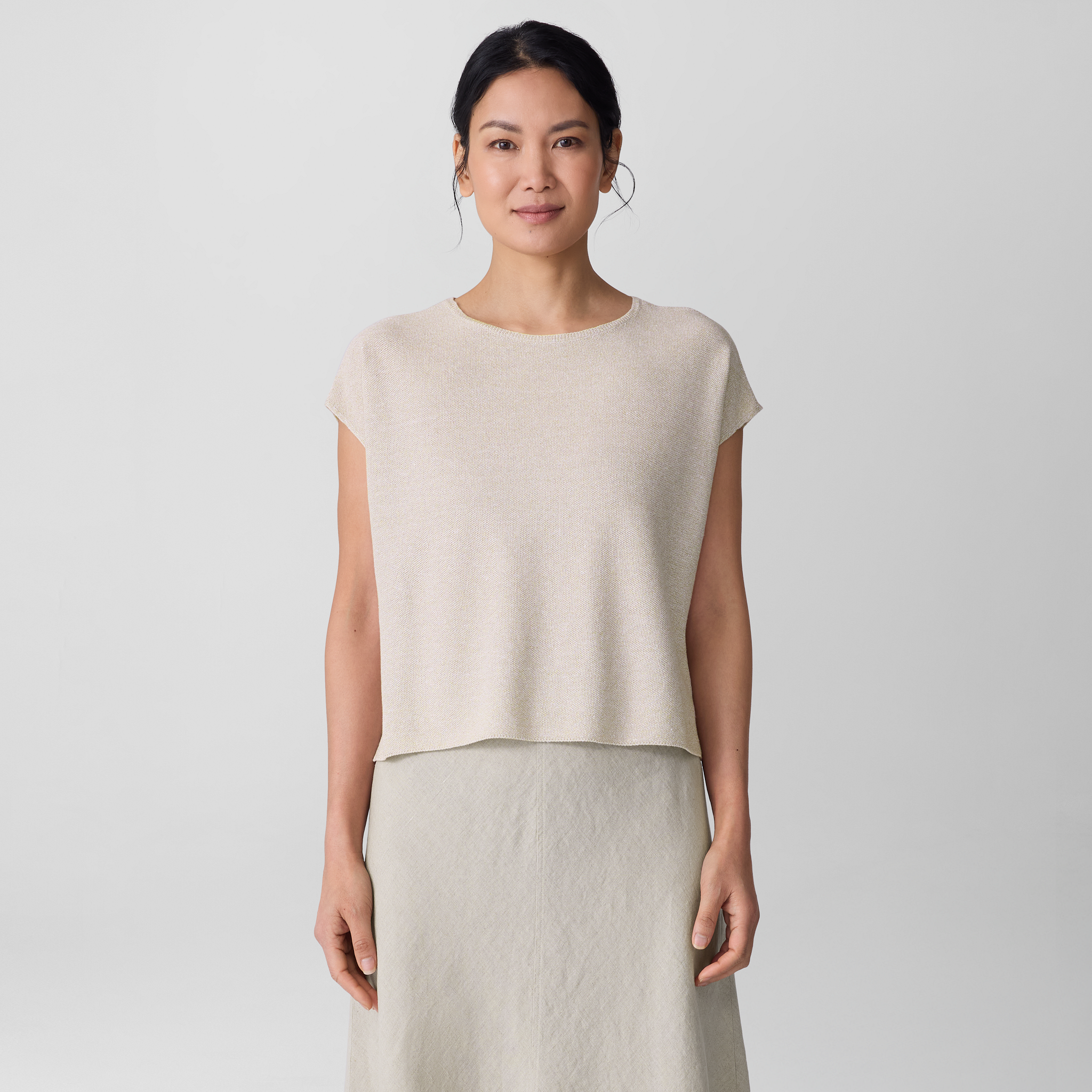
Cou Cou Intimates built a quiet following on one deceptively simple thing: an organic-cotton cami that looks as considered under a blazer at dinner as it does on its own at midnight. The house works almost entirely in pointelle, the delicate open-knit patterned with tiny holes that let a fabric breathe while it drapes, and it cuts that pointelle from organic cotton rather than the synthetic tricot most slip-and-cami labels reach for.
That fiber choice is the whole point. The slips and camis Cou Cou makes sit against warm skin for hours at a stretch, longer than almost anything else you wear, and organic cotton stays cool and breathable where a polyester slip clings and holds the heat in. It is farm-to-closet at its most literal, cotton that grew in a field rather than spun from petroleum, so nothing plastic is pressed against your skin all night. We will not call it non-toxic, because fiber content is the part we can actually verify. What we can say plainly is that this is organic cotton, and organic cotton is what the season's off-duty it-girl slip is really made of.





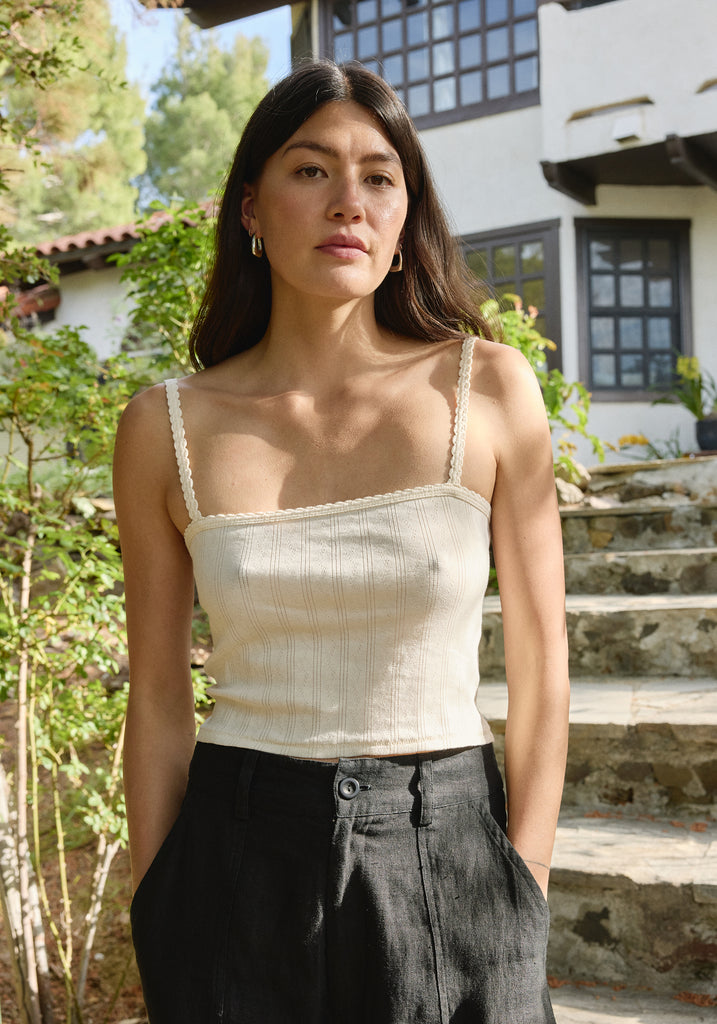
The trend pieces leave one thing out. Natural fiber is necessary, but it is not sufficient. A garment can be one hundred percent linen and still carry a dye or a finish you would rather not wear, so fiber content is the floor, not the whole story.
Start with what we can say plainly. PFAS, the forever chemicals used in water-repellent and stain-proof finishes, are being regulated out of clothing. California's textile ban took effect in 2025, New York followed, and as bluesign lays out, 2026 brings a wider wave of restrictions across the industry. That is a documented regulatory fact, not a vibe. A finish engineered to repel water is exactly the thing those laws are written to remove.
Then there is the fiber itself. As NPR reported this year, researchers have raised real questions about polyester, and the honest way to state them is by mechanism. Polyester is plastic, and plastic sheds: synthetic textiles release microplastic fibers into water and air as they are worn and washed, which is a genuine and well-documented environmental problem. Lab work in Stockholm has also found that polyester's chemistry holds onto certain added compounds more readily than cotton does, and researchers in Ghent found its surface grows odor bacteria more than natural fibers do, which is why a synthetic shirt sours faster than a cotton one. Those are the findings. What we will not do is hand you a scary number or tell you a fabric will make you sick, because the research does not support that leap and you deserve better than fear.
What Toxome measures is fiber content, the one thing about a garment that is knowable and checkable before it touches your skin. We do not sell you non-toxic as a guarantee, because no fabric earns that word unconditionally. We tell you what a piece is made of, and let a season that already wants linen make the rest of the choice easy.
This summer, the trend and the smarter buy have finally pointed the same direction. You can shop the summer edit, 185 natural-fiber pieces scored by Toxome, and wear every trend of the season without the plastic that traps the heat against you. Shop the trend, skip the synthetic tax.
Some products may contain affiliate links.
Sources
- USDA. (2026, May 28). USDA Launches Great American Cotton Plan to Revitalize the Cotton Farm Economy ("Plant Not Plastic").
- Who What Wear. (2026). 5 Linen Trends Fashion People Are Wearing All Summer.
- Who What Wear. (2026). The Brown Linen Mini Dress Trend, per Poppy Delevingne.
- Marie Claire. (2026). The Summer Dress Trends Everyone Will Be Wearing.
- NPR. (2026, January 20). What to know about the concerns around polyester clothing.
- bluesign. (2026). PFAS in Clothing: What the 2026 Bans Mean.
pins Toxome in your Google results, so our reporting shows up first when you search fabrics and brands.