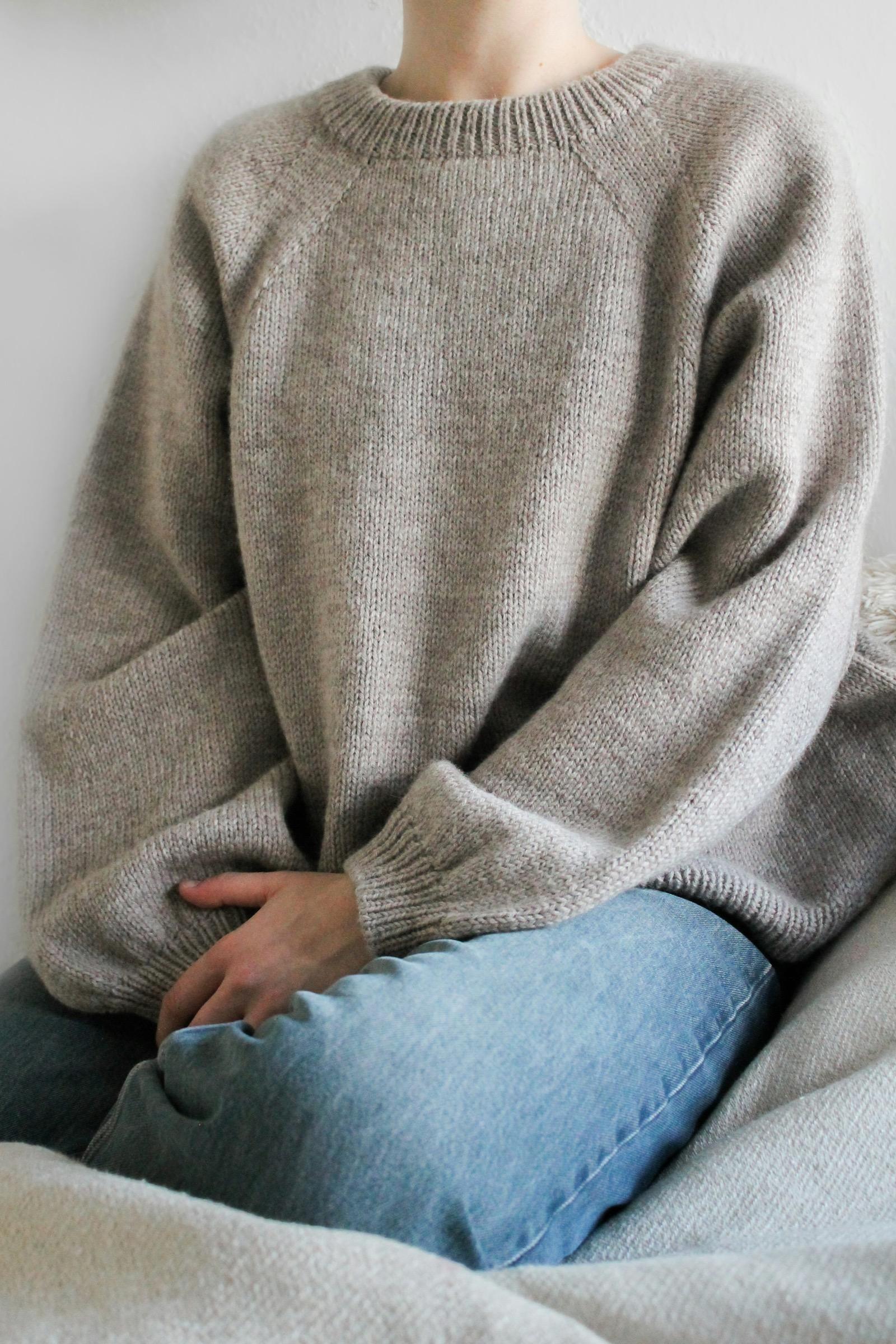
Cashmere vs merino wool: which is better? On health, neither. Both are animal fibers with no plastic in them, and both score 90 out of 100 for wearer health on Toxome's fiber scale. Cashmere is finer and softer. Merino wool is tougher, handles sweat better and is easier to wash.
The bigger difference is what happens after the animal. A merino sweater that goes in the washing machine has usually been treated with chlorine and coated in plastic resin. Cashmere almost never is.
| Cashmere | Merino wool | |
|---|---|---|
| Comes from | The soft undercoat of cashmere goats | The fleece of merino sheep |
| Fiber width | 19 microns or less, by US law | 15.6 to 18.5 microns for superfine, 18.6 to 20 for fine |
| Toxome Score (fiber) | 90 | 90 |
| Usual care | Hand wash or dry clean | Hand wash, or machine wash if treated |
| What to check | How well it was dehaired | Superwash treatment, mulesing |
| Certification to look for | The Good Cashmere Standard | Responsible Wool Standard |
| Median price, 100% sweater | $295 | $190 |
| Best for | Sweaters and scarves worn against bare skin | Base layers, travel, workouts, daily wear |
Fiber widths from 15 U.S.C. § 68b and University of the Arts London. Prices are the median published 100% sweater in the Toxome shop on November 12, 2026.
Is cashmere or merino better for your health?
They tie on the fiber. The differences come from processing.
The fiber itself: a tie
Both are proteins grown by an animal, so neither sheds plastic microfibers or needs the antimicrobial finishes mills add to synthetic knits. Both hold moisture and let your skin breathe.
Merino: check for superwash
Merino's risk is superwash, the treatment that lets wool survive a washing machine. The fiber goes through a chlorine bath that strips the tiny scales on its surface, then gets a thin coat of polyamide resin, a type of plastic.
A 2019 review in the Journal of Advanced Research found this chlorine and resin method treats about 70% of all wool labeled fully machine washable. We cover the full process in What Is Superwash Wool?
Brands rarely say the word. Of the five merino sweaters we checked for this piece, three said to machine wash them. None said how the wool had been treated.
Cashmere: check the dye and finish
Cashmere's risk is dye and finish, the same as any natural fiber. It's rarely sold as machine washable, so it rarely gets the chlorine and resin.
How to buy the cleanest version of either
- Merino: buy pieces that say hand wash, or wool certified to GOTS, which bans chlorine treatment on wool.
- Cashmere: look for OEKO-TEX STANDARD 100, which means the finished piece was tested for harmful dyes and finishes.
- Both: read the fiber line. "Wool blend" or "cashmere blend" often means nylon or polyester, as we found in Abercrombie's merino sweaters.
Which is less itchy, cashmere or merino?
Cashmere, most of the time. It comes down to how wide each fiber is.
Why wool itches
The itch people blame on wool isn't an allergy. A 2017 review in Acta Dermato-Venereologica found wool doesn't cause true allergic reactions. The itch is called prickle: thick fibers, around 30 microns and wider, are stiff enough to poke the small nerves in your skin.
Cashmere: 19 microns by law
US law caps cashmere at an average of 19 microns, and no more than 3% of its fibers can be wider than 30, according to 15 U.S.C. § 68b. The best cashmere measures about 14 microns.
Cheap cashmere can still itch. Raw cashmere is mixed with thick guard hairs, and a rushed dehairing, the step that pulls those hairs out, leaves some behind.
Merino: check the micron count
Merino varies more. Superfine merino, 18.5 microns and under, feels close to cashmere. Standard merino runs a little wider and can feel scratchy on sensitive skin.
Icebreaker lists 18.9 microns on its merino base layer, just above superfine. When a brand publishes the number, use it.
Is cashmere warmer than merino wool?
For its weight, usually yes. Which one keeps you warmer depends on whether you're moving.
Sitting still: cashmere
Cashmere's finer fibers trap more still air, and still air is what keeps you warm. It's the sweater for a cold office or a slow weekend.
Moving: merino
Merino pulls sweat away from your skin and still feels dry. Wool holds 13.6% of its weight in moisture at standard conditions, compared with 0.4% for polyester, according to ASTM D1909. That's why merino is the fiber in most base layers and hiking tops.
The "eight times warmer" claim
You'll see the claim that cashmere is eight times warmer than wool on a lot of brand pages. We couldn't find a published study behind that number.
What are the disadvantages of cashmere?
Three, mainly. Merino has one of its own.
It pills sooner
Cashmere's fibers are fine and short, so it pills sooner than merino, especially under a bag strap or at the elbows. A sweater comb takes care of most of it.
It costs more
One cashmere goat grows about 150 grams of usable undercoat a year, according to the Discover Natural Fibres Initiative and the FAO. That's about a third of a pound. China produces about 10,000 tonnes a year and Mongolia about 3,000.
It's hard on grassland
Goats graze close to the root. In Mongolia, cashmere goats went from 19% of all livestock to 60% in about thirty years, NPR reported, and a local survey put the share of degraded rangeland at 65%. The Good Cashmere Standard covers animal welfare and land management on certified farms.
Merino's welfare question: mulesing
Mulesing is the practice of cutting skin from a lamb's backside to prevent fly infection. The Responsible Wool Standard bans it.
Is 100% merino wool cashmere?
No. Merino comes from sheep. Cashmere comes from goats.
What the label is allowed to say
The Federal Trade Commission only allows the word cashmere on a fiber label when the fiber is the dehaired undercoat of a cashmere goat.
"Cashmere-feel" and "cashmere-soft"
Product names like these describe how a sweater feels. The fiber line on the label tells you what it is.
Which is more expensive, cashmere or merino?
Cashmere, in most cases. Across the Toxome shop, the median 100% cashmere sweater costs $295 and the median 100% merino sweater costs $190.
The brand matters as much as the fiber
Everlane's 100% merino half-zip costs $148, more than its 100% cashmere half-zip at $118. That cashmere is 70% recycled and certified to the Good Cashmere Standard, which is how the price comes down.
Cashmere vs merino wool: which to choose
Pick by what you'll do in it.
For sweaters
Cashmere for softness against bare skin and warmth when you're sitting still. Superfine merino if you want something tougher that still feels soft.
For travel and workouts
Merino. It handles sweat, dries without feeling damp and can be worn more than once between washes.
For scarves
Cashmere. A scarf sits against your neck all day and rarely gets washed, so softness matters more than toughness.
For sensitive skin
Cashmere, or merino under 18.5 microns. Choose hand-wash merino if you want to skip the chlorine and resin.
What to buy
Every piece here is 100% cashmere or 100% merino, checked against each brand's own product page on November 12, 2026. Each scores 90, and none is sold as machine washable.
| Piece | Fiber | Care | Price |
|---|---|---|---|
| Everlane Cashmere Half-Zip | 100% cashmere, 70% recycled, Good Cashmere Standard | Hand wash or dry clean | $118 |
| Everlane Half-Zip Sweater in Luxe Merino | 100% merino, RWS | Dry clean | $148 |
| Jenni Kayne Cashmere Porter Turtleneck | 100% cashmere | Dry clean | $545 |
| YLLW The Label Britt Cashmere Top | 100% cashmere | Not listed | $128 |
| Almina Concept Wrap Cardigan | 100% merino | Hand wash | $378 |
For more, see our quarter-zip sweater guide and The Knitwear Report, or shop cashmere and merino wool.
Cashmere for the cold days you stay in. Merino for the ones you spend outside. Read the care tag on both.
Frequently asked
Neither wins on health. Cashmere and merino wool both score 90 for wearer health on Toxome. Cashmere is finer and softer, so it's best for sweaters worn close to the skin. Merino is tougher and wicks moisture, so it's best for base layers and daily wear.
Cashmere is usually less itchy. US law caps cashmere at 19 microns wide, finer than most merino. Fine merino at 18.5 microns or under also feels soft. Itch comes from thick fibers poking the skin, not an allergy, so pick the finest fiber you can.
Cashmere pills faster than merino, needs hand washing or dry cleaning, and costs more. One goat grows about 150 grams a year. Demand for it has also driven overgrazing in Mongolia, where goats rose from 19% to 60% of all livestock in about thirty years.
No. Merino comes from merino sheep and cashmere comes from the undercoat of cashmere goats. US rules only allow the word cashmere on fiber from that goat, at 19 microns or finer. Names like "cashmere-feel merino" describe a texture, not a fiber.
Cashmere, in most cases. In the Toxome shop, the median 100% cashmere sweater costs $295 and the median 100% merino sweater costs $190. Price also depends on the brand: Everlane's merino half-zip ($148) costs more than its cashmere one ($118).
Cashmere usually feels warmer for its weight because its fine fibers trap more air. The popular claim that cashmere is eight times warmer than wool has no published study behind it that we could find. Merino keeps you warmer when you're moving and sweating.
It's safe to wear, but it's treated. Most machine-washable merino goes through a chlorine bath and gets a thin plastic resin coating. Untreated merino skips both. Choose hand-wash merino, or GOTS wool, which bans chlorine treatment. More in What Is Superwash Wool?


Comments
No comments yet.
That didn't go through. Try again.