SeaCell scores 88 out of 100 for wearer health on Toxome's fiber scale, where 100 is cleanest. It earns that score for one reason only: SeaCell is lyocell, made in the same closed-loop process that recaptures over 99 percent of its non-toxic solvent, so it scores exactly what plain lyocell scores. It does not score higher for the seaweed. Brands sell SeaCell as clothing that feeds your skin minerals and vitamins, and there is no published evidence that anything transfers from the fabric into you. Buy it because it is good lyocell. Do not pay extra for the seaweed.
What is SeaCell?
SeaCell is lyocell with finely ground seaweed mixed into it. The base is wood pulp, usually beech or eucalyptus, dissolved in a non-toxic liquid and spun back out into thread. Before the spinning step, dried brown seaweed from Iceland is stirred into the goo, so the seaweed ends up locked inside the thread instead of coated onto the outside. It is made by a German company called Smartfiber, under license from Lenzing, the company behind TENCEL. So underneath the ocean branding, this is the same closed-loop fiber as lyocell, with an additive.
Lululemon put this fiber on the map, and then got caught by it. In 2007 it sold a line called VitaSea, made with SeaCell, with hang tags promising the seaweed would reduce stress and deliver anti-inflammatory, antibacterial, hydrating and detoxifying benefits. The New York Times paid a lab to test a shirt. The lab found no meaningful difference in mineral content between the VitaSea fabric and a plain cotton tee, and no clear sign of seaweed in the fabric at all. Canada's Competition Bureau got involved under the Textile Labelling Act. Lululemon agreed to pull the tags. It still sells the fabric today, but every health claim is gone from its marketing, and it now talks about breathability and comfort instead. That is the honest version of this fiber, and a large company arrived at it the expensive way.
How SeaCell is made
It starts the way any lyocell does, with pulp from managed forest.
Dissolved in an organic solvent that is not toxic, inside a closed loop.
Icelandic brown algae, cut so the base regrows, dried and ground without chemical treatment.
The powder goes in at the liquid stage, so it is trapped inside each filament.
How much seaweed ends up in there is a number nobody answers the same way twice.
A fiber sold on its seaweed content that cannot state that content consistently.
It starts the way any lyocell does. Wood pulp is dissolved in NMMO, an organic solvent that is not toxic, inside a closed loop, which just means the factory captures over 99 percent of the liquid and uses it again instead of discharging it. That single fact is why lyocell, and therefore SeaCell, sits so far above ordinary viscose, which relies on carbon disulfide, a chemical proven to harm the people who work with it.
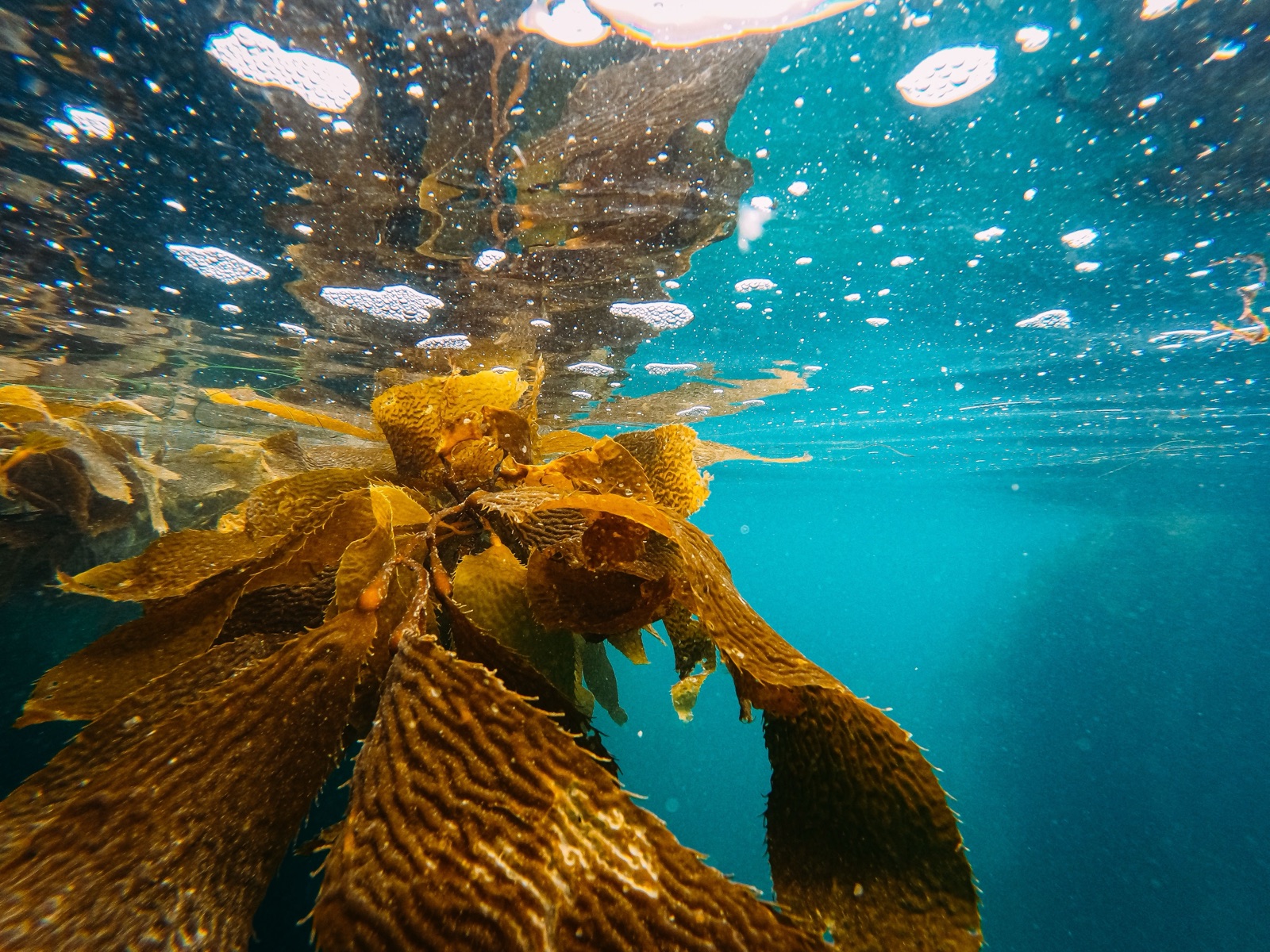
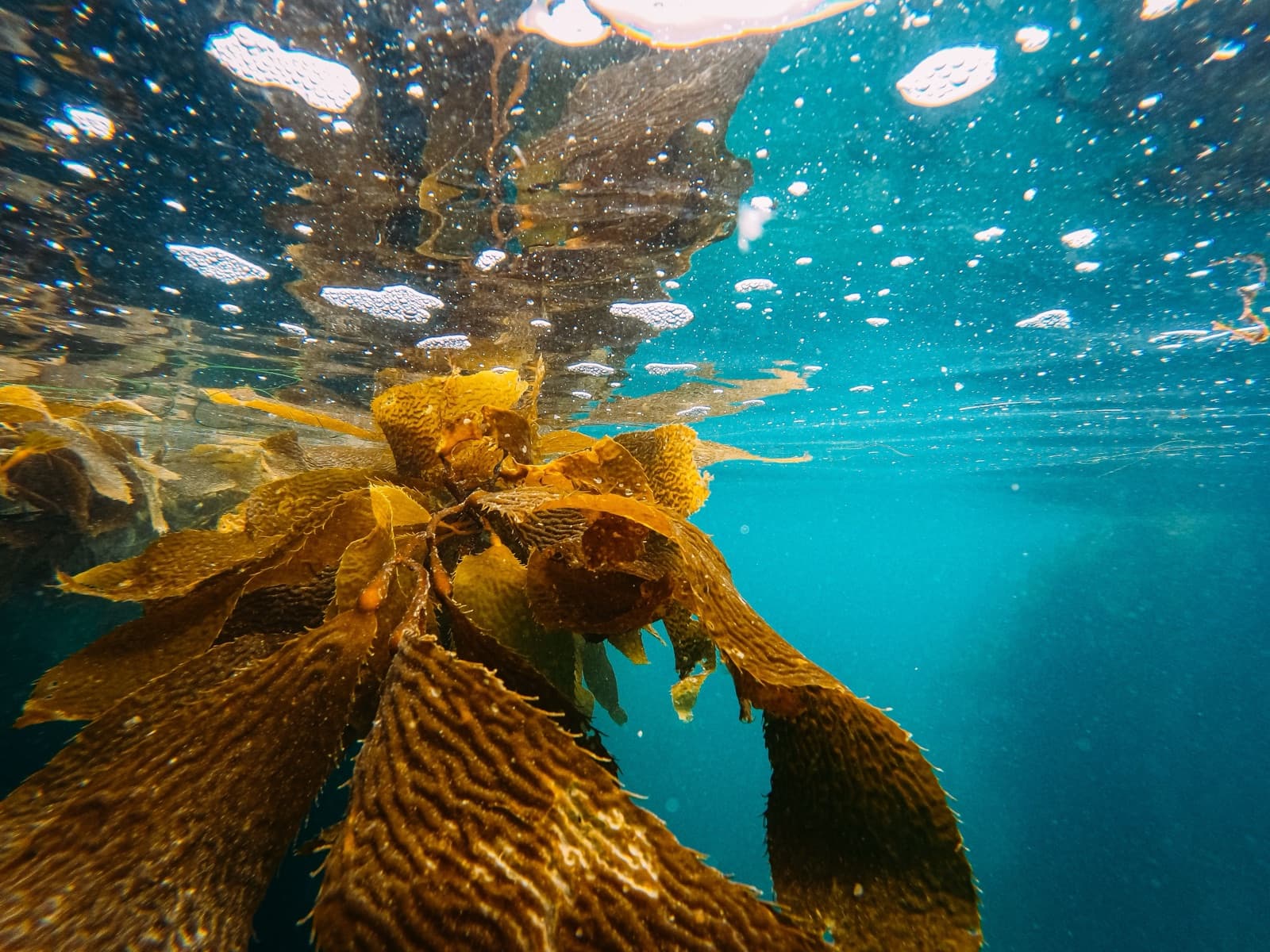
The seaweed is brown algae, Ascophyllum nodosum, harvested from Icelandic fjords. Harvesters cut the tops off the beds and leave the base to regrow, returning to the same ground roughly every four years. The cut seaweed is dried and ground into powder without chemical treatment, then stirred into the dissolved pulp before it is spun. Because it goes in at the liquid stage, the powder is trapped inside each filament rather than sitting on the surface, which is what Smartfiber means when it says the additive does not wash out.
How much seaweed actually ends up in there is the question nobody answers the same way twice. Smartfiber's own site says roughly 19 percent. Its FAQ elsewhere has been reported at around 4 percent. Independent write-ups land anywhere from 4 to 16 percent. A fiber sold on its seaweed content that cannot give one consistent number for its seaweed content is telling you something.
One more thing the label hides: SeaCell is sold on two different base pulps, lyocell and modal. Those are not the same fiber and they do not score the same. The word SeaCell on its own does not tell you which one you bought.
Is SeaCell safe to wear?
Start with what is solidly true. SeaCell is lyocell, so it comes out of the closed-loop process that recaptures over 99 percent of a non-toxic solvent, and it skips the carbon disulfide that plain viscose depends on. The thread reaching your skin is smooth, absorbent, and low in leftover chemistry. On the fiber alone this is one of the cleanest man-made things you can wear.
Now the claim. SeaCell is sold as clothing that does something to you: nourishing, revitalizing, an active exchange of minerals between the fiber and your skin. No peer-reviewed study shows vitamins or minerals moving from this fabric into skin at any meaningful amount. When the New York Times had a SeaCell garment tested in 2007, the lab found no meaningful mineral difference against ordinary cotton. Smartfiber's own evidence page lists antioxidant tests run on fabric in a dish, which measures the swatch, not you.
The seaweed is not a safety problem. Ascophyllum nodosum concentrates minerals from seawater, and brown algae can carry arsenic and iodine, but almost all of the arsenic in this species is the organic, low-concern kind, the amounts are small, it is bound inside cellulose, and skin is not a gut. There is no exposure story here worth worrying about. The problem with SeaCell is not that it might hurt you. It is that you are being charged for a benefit nobody has demonstrated.
The real risk on a SeaCell garment is the same as on any other: what the mill added after the fiber was spun. Dyes and easy-care finishes are where formaldehyde and problem dyes show up, and the fiber name never covers that. Read the finished piece, not the fiber.
The share of its own dry weight the fiber itself absorbs as water vapor, then releases into the air.
A fiber that can hold and release moisture is a fiber that feels dry against the skin. Polyester holds almost none, which is why a synthetic top feels clammy in the heat and SeaCell does not. Figures are the standard reference values for each fiber at 20°C and 65% humidity, not a measurement of any one garment.
- Pulls moisture off your skin Lyocell is unusually absorbent, so it moves dampness away from the surface. Drier skin means less for bacteria to feed on, which is why it works well in underwear and sleepwear.
- Smooth against reactive skin The filament surface is regular and soft, with no scales or stiff edges, so it tends to irritate sensitive skin less than rougher fibers.
- Breathes and regulates temperature It handles heat and humidity like other cellulose fibers instead of trapping them the way plastic does, so it stays comfortable if you sleep hot.
- Made in a closed loop Over 99 percent of the non-toxic solvent is captured and reused, so almost nothing is left in the fiber and almost nothing goes into the water.
SeaCell scores 88, exactly what lyocell scores, because it is lyocell. Toxome scores the chemistry on your skin, and the seaweed additive does not change that chemistry in either direction. We give no bonus for an unproven benefit and no penalty for a harmless additive. If you see SeaCell on a modal base instead, score it as modal. And note the separate product called SeaCell Active, which is loaded with silver ions for odor control. Silver is a biocide, and Toxome penalizes antimicrobial finishes, so that version does not inherit this score. See the full method.
Doing this check on every product page yourself is the tedious part. The Toxome Chrome extension reads the composition for you while you shop, so you see whether something is SeaCell (and what else is in it) before you buy, not after it arrives.
How SeaCell affects the planet
The environmental case rests on the lyocell process, not the seaweed. The solvent is non-toxic and over 99 percent of it is recovered instead of discharged, which is the whole difference between this and conventional viscose.
The seaweed harvest is genuinely low-impact as far as anyone has shown. Icelandic harvesters take the tops of the beds and leave the holdfast to regrow, on a rotation of about four years. It is a small share of the fiber either way, so it is a small share of the footprint either way.
SeaCell holds the EU Ecolabel and an OK compost HOME certificate, and TITK certified its degradability in 2018. Those are real third-party marks. They speak to the fiber's process and its end of life, not to what it does for your skin.
Lyocell-process figures. The closed loop recaptures the process water.
Industry lyocell data. No independent absolute figure is published for SeaCell specifically.
OK compost HOME certified, plus a TITK degradability certificate from 2018.
Regenerated cellulose with a plant additive. Not plastic.
Environmental figures are separate from the health score above, which reflects wearer health only. Numbers are per kilogram of finished fiber and rounded; see sources.
How to care for SeaCell
Shop SeaCell (seaweed)


SeaCell (seaweed), answered
There is no published evidence that it does. Brands say the fabric exchanges minerals, vitamins and antioxidants with your skin, and no peer-reviewed study has shown that transfer happening in a person. When the New York Times had a SeaCell garment lab-tested in 2007, the results showed no meaningful mineral difference against a plain cotton tee. Wear it for the lyocell, which is real.
Chemically, yes. SeaCell is lyocell made by the same closed-loop process, with ground seaweed stirred in before spinning. That is why it scores 88, exactly what lyocell scores. Watch for one catch: SeaCell is also sold on a modal base, which is a different and lower-scoring fiber.
Nobody will give you one number. Smartfiber's own site says around 19 percent, its FAQ has been reported at around 4 percent, and independent write-ups land between 4 and 16. Either way, the great majority of the fiber is wood pulp.
No. Brown algae do concentrate minerals from seawater, and Ascophyllum nodosum carries iodine and arsenic, but nearly all of that arsenic is the organic, low-concern form, the quantities are small, it is locked inside cellulose, and skin does not absorb it the way a gut would. This is not the thing to worry about.
A separate version loaded with silver ions for odor control. Silver in fabric is a biocide, and Toxome penalizes antimicrobial finishes, so SeaCell Active does not inherit this score. If a garment advertises permanent odor control, read it as a treated fabric.
Pay for it as good lyocell. Do not pay for it as seaweed. If a brand is charging a premium and justifying it with skin benefits, you are paying for a claim nobody has proven.
- SEACELL · Smartfiber AG
- Certificates & Studies · Smartfiber AG
- Fashion touts the benefits of seaweed fabric, but science doesn't back it up · Glossy
- Lululemon to remove claims from seaweed clothing line · CBC News
- Recovery of N-Methylmorpholine N-Oxide (NMMO) in Lyocell Fibre Manufacturing · Fibers (MDPI)
- High proportions of inorganic arsenic in Laminaria digitata but not in Ascophyllum nodosum samples from Ireland · Science of the Total Environment
- OEKO-TEX STANDARD 100 · OEKO-TEX
The health score reflects wearer health only and mirrors the Toxome app. This guide is educational and is not medical advice.