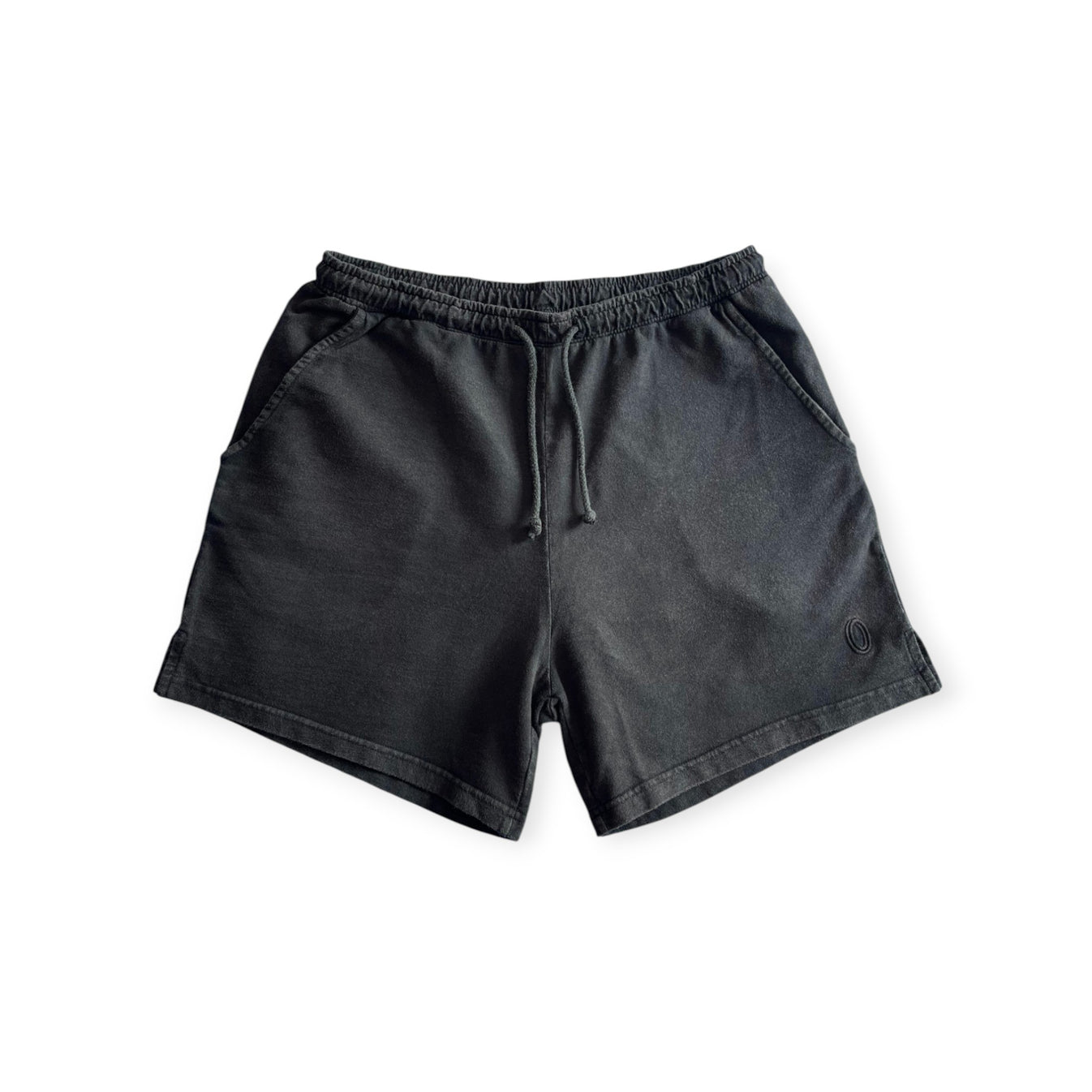
Your waistband used to come from a tree
Before the 1950s, the stretch in a bra or a girdle came from rubber thread, tapped as sap from rubber trees. It was heavy.
So a chemist at DuPont named Joseph Shivers went looking for a replacement. The National Inventors Hall of Fame says he wanted "a synthetic elastomer to replace the heavy rubber threads then necessary for foundation garments." What he invented became Lycra, the fiber we now call spandex or elastane.
It worked so well that it's now in almost everything that stretches: leggings, jeans, socks and nearly every underwear waistband. A few brands are going back to rubber. This badge marks the pieces where they did.
What spandex is
Spandex and elastane are two names for the same fiber. Lycra is a brand name for it.
The Federal Trade Commission, which sets the legal names for fibers on clothing labels, defines spandex as a fiber made from "a long chain synthetic polymer comprised of at least 85 percent of a segmented polyurethane." In plain words, it's a plastic, from the same family of chemicals used in foam cushions and coatings.
Most clothes use a little of it. In our catalog it's usually 2 to 8 percent of the fabric. That little bit still counts. Spandex is one of the reasons a 95 percent organic cotton legging scores lower on Toxome than a 100 percent cotton one.
When the Center for Environmental Health tested activewear for BPA, a chemical that copies the hormone estrogen, the pieces it flagged were polyester blended with spandex.
What the badge means
The brand states that the stretch in this piece comes from natural rubber instead of spandex. Usually that means the waistband or the straps. The main fabric is often 100 percent natural fiber, with the rubber only where the garment needs to grip.
We give this badge to clothing only. Rubber shoe soles and rubber yoga mats are a different thing, so they don't get it.
Natural rubber, up close
Natural rubber starts as latex, the milky sap of rubber trees. Makers collect it, then process it into the thin elastic threads or bands that get sewn into a garment.
It stretches and snaps back much like spandex. The tradeoffs are practical. Rubber is sensitive to heat, oils and sunlight, so a natural rubber waistband can lose its snap sooner if you put it through a hot dryer. Treat it the way you'd treat a good bra.
Caring for natural rubber
- Wash cold. Hot water and hot dryers wear rubber out fastest.
- Air dry. Hang or lay flat, out of direct sun.
- Keep oils away. Body oils and lotions on the waistband can soften rubber over time.
Who should skip it
Natural rubber is latex. If you have a latex allergy, check with the brand before you buy.
The American Academy of Allergy, Asthma & Immunology explains that a latex allergy happens when the immune system treats latex as an invader and overreacts. Reactions range from an itchy rash that shows up a day or two later to hives, swelling and anaphylaxis, a life-threatening reaction. The academy names healthcare workers, rubber industry workers and people who have had many medical procedures as more likely to have the allergy.
Some brands encase the rubber in a fabric channel so it never touches your skin. Ask whether yours does, and if you're allergic, talk to your doctor before you rely on that.
Why we flag it
The clothes you wear are a health choice, the same way food is, and the waistband is the part that sits against your skin all day. Natural rubber elastic means one fewer piece of plastic in the place you'd notice it least.
We show the badge for that reason. It never changes a Toxome Score, which comes from the fabric itself. It's one more fact to have before you get dressed.
Keep reading
Sources
- National Inventors Hall of Fame. Joseph C. Shivers, Jr.
- US Federal Trade Commission. 16 CFR 303.7, Generic names and definitions for manufactured fibers (rubber, spandex).
- Center for Environmental Health. (2022, updated 2023). New Testing Shows High Levels of BPA in Sports Bras and Athletic Shirts.
- American Academy of Allergy, Asthma & Immunology. Latex Allergy.
FAQ
Spandex, also called elastane or Lycra, is a synthetic fiber. The FTC defines it as a long chain synthetic polymer made of at least 85 percent segmented polyurethane, a type of plastic.
It keeps the stretch without adding a plastic fiber, which is why some natural-fiber brands use it. It's more sensitive to heat and oils, so wash it cold and air dry it, and it isn't an option if you're allergic to latex.
Check with the brand and your doctor first. Natural rubber is latex. Some brands fully encase it in fabric so it doesn't touch skin, but a latex allergy can cause serious reactions.
Yes. Some brands use drawstrings, ties or adjustable straps instead of any elastic. Look for 100 percent natural fiber with no elastane, spandex or rubber listed.
No. Origin and process badges come from what the brand states about each product. We don't audit factories, so these badges are information, not verification. They never change a Toxome score, which comes from what the garment is made of.