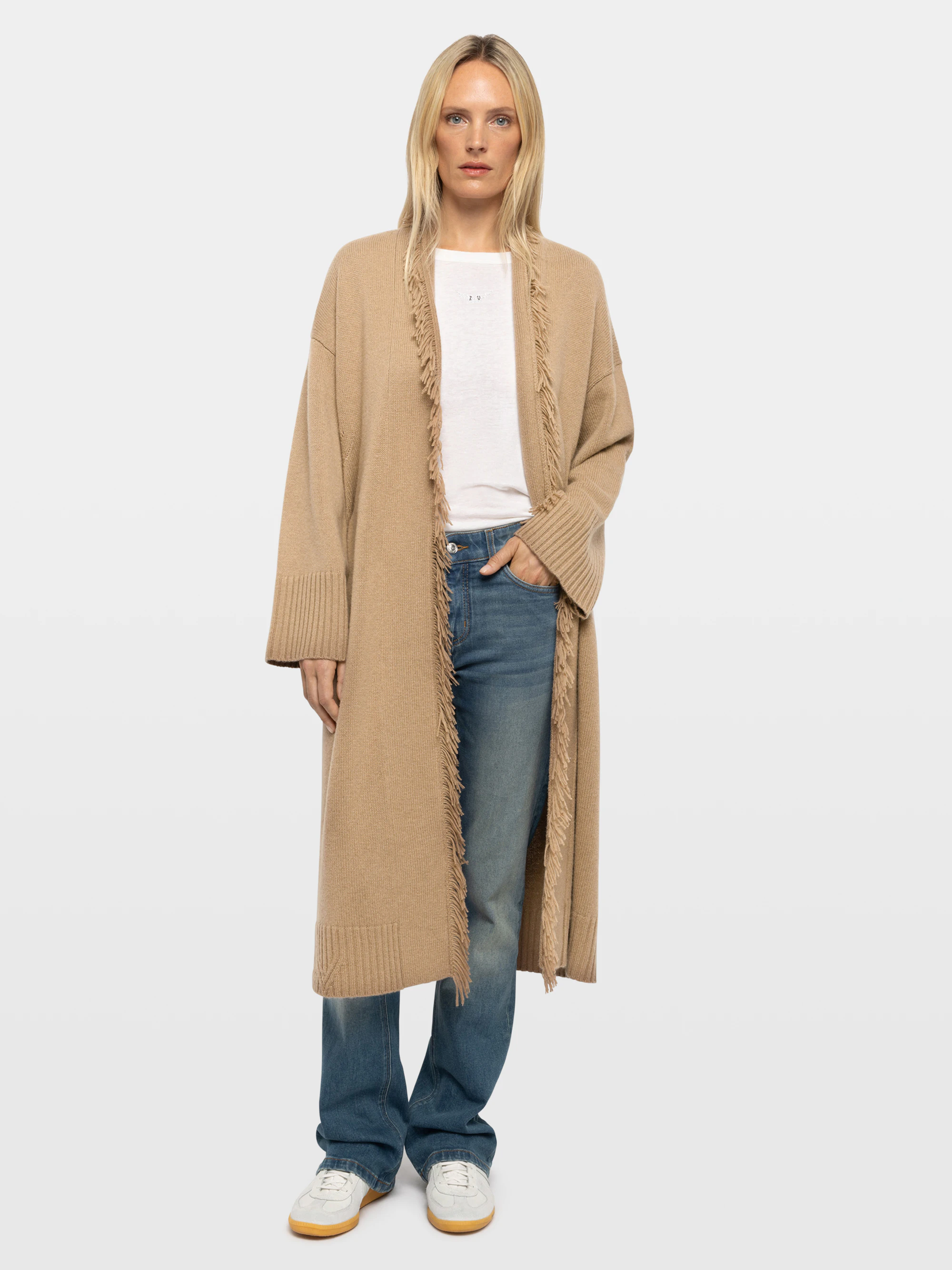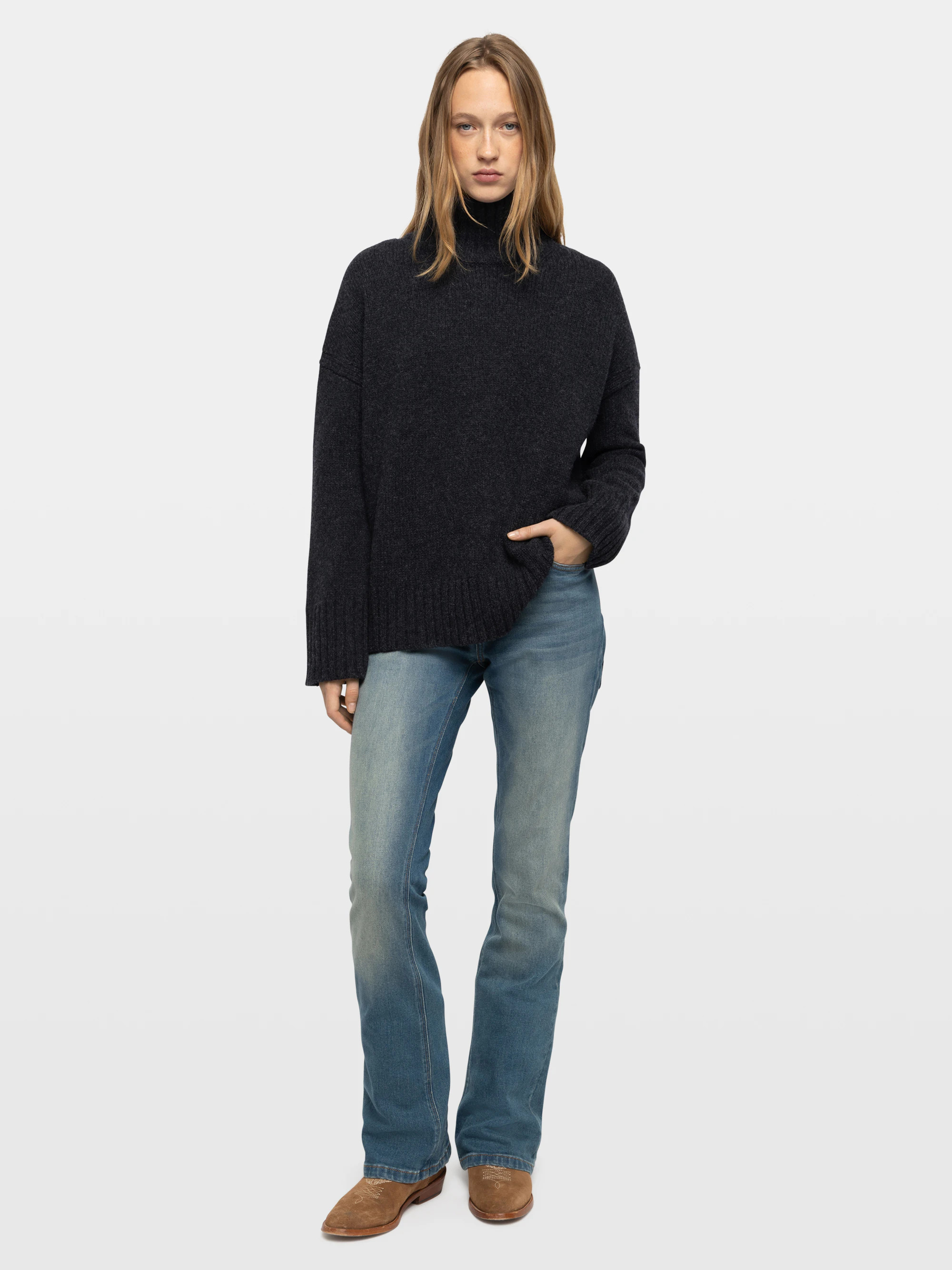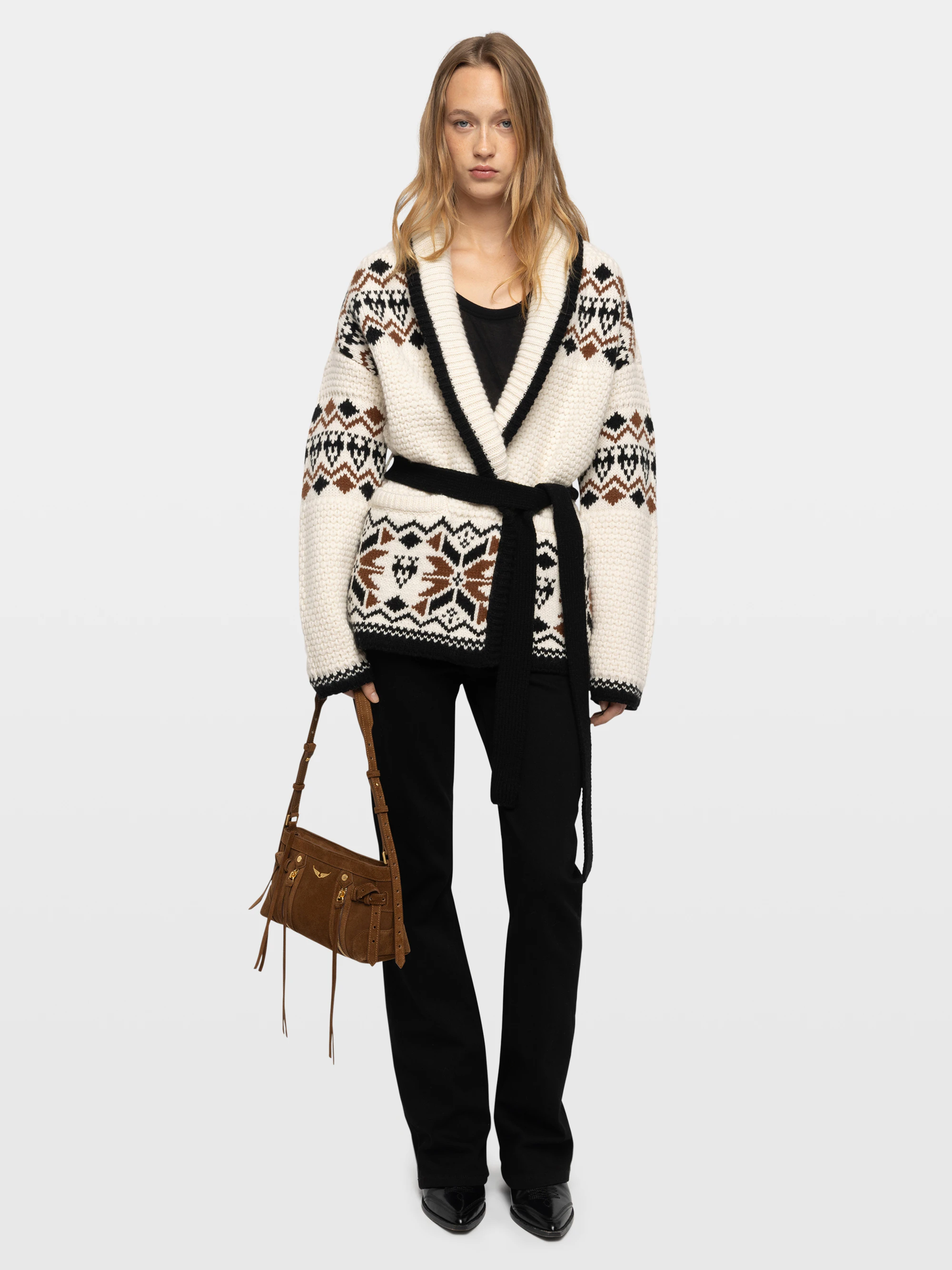
Wool
RWS wool clothing
wool from farms audited for animal welfare, as the brands state it. coats, knits, trousers and a throw.
Wool
wool from farms audited for animal welfare, as the brands state it. coats, knits, trousers and a throw.
the responsible wool standard is a farm standard. textile exchange, the nonprofit that runs it, audits sheep farms for animal welfare and land management, prohibits mulesing, and tracks certified wool from the farm to the finished garment with a transaction certificate at every step. what it does not cover is chemistry: rws says nothing about dyes, finishes, or the superwash treatment that makes wool machine washable. so every piece here carries two separate pieces of information. the brand states the wool is rws, and toxome scores the garment on its published composition. we have not checked the certificates ourselves. a brand claim names the standard; only a certificate number confirms it.
Wool from farms certified to the Responsible Wool Standard, run by the nonprofit Textile Exchange. Certified farms are audited for animal welfare and land management, mulesing is prohibited, and the wool is tracked through each company in the supply chain by transaction certificates until it reaches the finished product.
No. RWS covers how the sheep and the land are treated. It does not cover dyes, finishes or superwash, the treatment that coats wool so it can go in the washing machine. That is why each piece here also carries a Toxome score, which reads the garment's published fiber composition.
Removing strips of skin from around a lamb's tail to prevent flystrike, a parasitic infection common in Merino sheep. It is done mostly in Australia. The Responsible Wool Standard prohibits it on certified farms.
Ask the brand for its RWS scope certificate number and look it up in Textile Exchange's public database of certified organizations. A certified brand can also name the transaction certificate for a specific product. Every piece in this edit is one the brand says is RWS; Toxome has not verified the certificates.
Fiber content is what touches the skin. Toxome reads each garment's published composition and rates it, so the score reflects what the clothing is made of rather than how it is marketed.