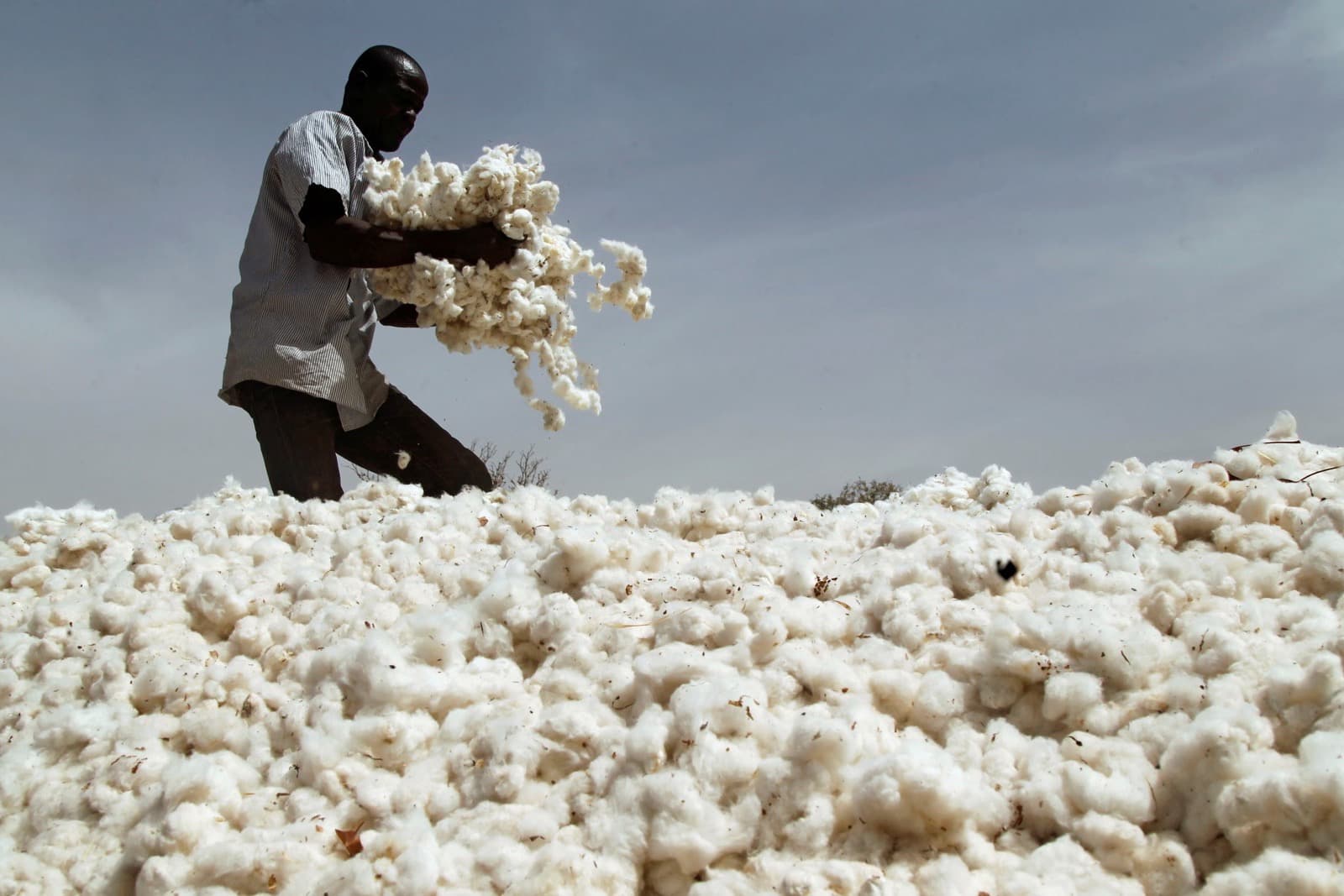
Cotton grows in a field. Lyocell is made in a mill, from wood, using a solvent with a name you cannot pronounce. Asked which one is gentler to wear, most people answer cotton before the sentence finishes.
On the Toxome Score, lyocell earns an 88 out of 100 for wearer health. Conventional cotton earns an 84. The fabric built in a factory beats the one picked off a plant.
Then organic cotton comes in at 92 and beats them both.
Those three numbers, read together, break the rule almost everyone shops by.
Natural is not the axis
The instinct to sort fabric into grown and manufactured is reasonable and mostly useless. It puts organic cotton and pesticide-heavy conventional cotton in the same bucket, which are not remotely the same product. It puts lyocell next to polyester, when one biodegrades and the other sheds plastic into your washing machine for its entire life.
Two things predict how a fabric treats your skin, and neither is romantic: how carefully it was processed, and what was added at the end. Both fabrics can be excellent. Both can be badly made. The plant is not the variable.
Why conventional cotton loses points
Cotton is one of the most heavily sprayed crops in the world, and that fact does most of the work in cotton's reputation. It matters, though mostly for farmworkers and watersheds rather than for you, because field sprays largely break down or wash out long before the cloth reaches a store.
The chemistry that reaches your skin is added later. Cotton sold as wrinkle-free, easy care, or no-iron is usually treated with a resin that releases formaldehyde, a chemical that irritates skin and is linked to cancer. It sits in the cloth and comes off slowly. Dyes leave their own residue.
That is what separates an 84 from a 92. Organic cotton certified to GOTS bans formaldehyde finishes, chlorine bleach, and the dye families of most concern, all the way through processing. Same plant, same field, different rules about what may touch it afterward.
Cotton and lyocell are not scored on where they came from. They are scored on what was done to them.
Why lyocell scores as high as it does
Lyocell starts as wood pulp, usually eucalyptus or beech. The pulp is dissolved into a syrup and spun into thread, which sounds like the viscose process and is not. Viscose uses carbon disulfide, a solvent that has harmed mill workers and the rivers beside them. Lyocell uses NMMO, which is not classified as toxic, and runs a closed loop that captures more than 99 percent of it for reuse. Research in Fibers has measured those recovery rates.
The thread that results is smooth, absorbent, and unusually good at pulling moisture off skin. That last property is why it earns its 88. A drier surface gives bacteria less to work with, which matters if you run hot or your skin flares easily. It is also strong when wet, so it survives washing better than most soft fabrics.
What each one is better at
Cotton breathes in a way lyocell does not quite match, moving air rather than moisture. It is tougher, cheaper, easier to replace, and the shortest ingredient list you can put against your body. For a plain tee, bedding, or anything a baby will chew on, certified organic cotton is still the cleanest answer we score.
Lyocell handles sweat better and drapes like something far more expensive. For sleepwear, anything worn close in heat, and skin that reacts to texture, it is the stronger pick. It is also the better swap when the alternative is polyester, which is where most silky clothing lands.
What it means for your closet
Stop sorting by natural versus man-made and start reading two things.
First, the process word. On cotton that means GOTS organic. On lyocell it means TENCEL, which guarantees the closed loop. Generic lyocell with no brand behind it is a weaker promise, the same way generic cotton is.
Second, the finish. Look for OEKO-TEX STANDARD 100 on the finished piece, because it tests the garment rather than the fiber, including for formaldehyde. Avoid anything sold as wrinkle-free or no-iron regardless of what it is made from. Wash new clothes before wearing them.
Do that and the ranking sorts itself: organic cotton, then lyocell, then plain cotton, then everything spun from oil.
The useful thing here is not the order. It is that a fabric's story does not end when the plant comes out of the ground, and the tag stops telling you the story right at the point it gets interesting. Once you know that, the small print is much easier to read.


